
Companion Plants
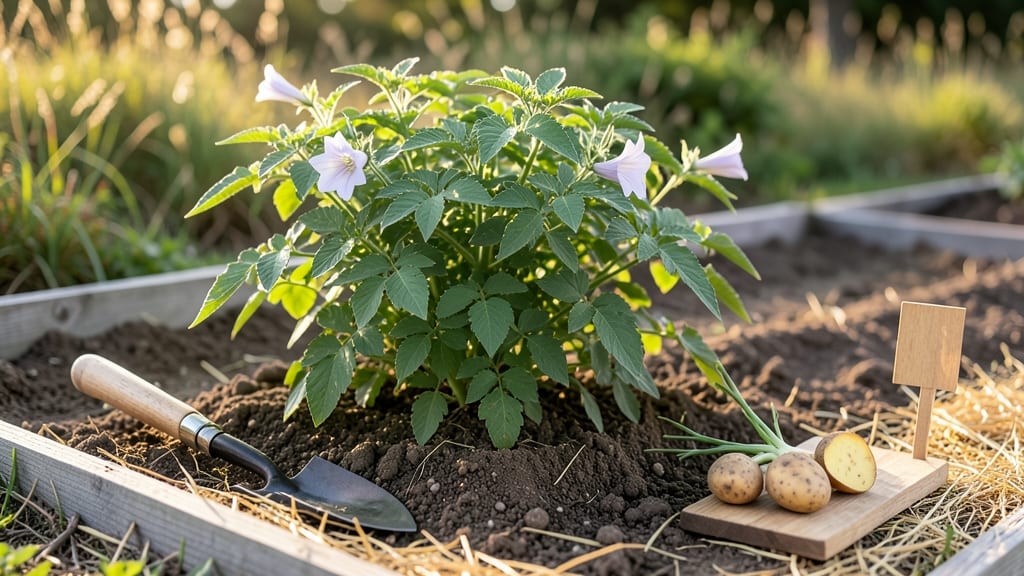
Planting potatoes in Zone 5 at the wrong time could mean the difference between a bountiful harvest of crisp, golden 🥔 and a sad, shriveled mess.
The key isn’t just waiting for spring—it’s timing those seed potatoes 4-6 weeks before your last frost date, when soil temperatures hit that sweet spot of 45°F or warmer.
Here’s the catch: Zone 5’s short growing season means you’ve got to play it smart. Rush planting too early, and your potatoes might rot in cold soil. Wait too long, and you’ll miss the window for a full harvest before fall frost.
I’ll break down the exact weeks to plant—plus how to adjust for early vs. late varieties—to make sure your 🥔 thrive.
Most gardeners assume potatoes are just “hardy,” but Zone 5’s unpredictable frosts demand a little strategy. We’ll cover soil prep, frost protection, and even whether a late-winter planting under row covers could work for you.
Ready to grow potatoes that actually yield? Let’s get those spuds in the ground the right way.
Whether you’re a first-time gardener or a seasoned pro, nailing the timing is half the battle. By the end of this guide, you’ll know exactly when to plant—plus how to troubleshoot common mistakes that sabotage Zone 5 harvests. No more guessing, just 🥔 perfection.
Best planting windows for potatoes in Zone 5 (with exact weeks before frost)
Getting your potato planting timing right in Zone 5 is all about working with your local frost dates. Most gardeners here plant 10-14 weeks before the last spring frost, but fall planting is also possible with 8-10 weeks before the first frost.
The key is understanding your specific last frost date—which can vary by 1-2 weeks even within Zone 5.
For example, in northern Zone 5 (5a), like Minneapolis or Duluth, your last frost typically arrives around May 10-15. That means planting seed potatoes between March 15 and April 5 for a summer harvest.
In southern Zone 5 (5b), like Chicago or Cincinnati, you can start as early as March 1 for a May 15-20 last frost date.
Here’s the critical rule: Soil must reach 45°F (7°C) for potatoes to sprout properly. Cold soil delays germination and invites rot. Use a soil thermometer if unsure—planting too early in chilly soil is a common mistake that leads to failed crops.
Fall planting is less common but works well for storage potatoes. Aim to plant 8-10 weeks before your first frost (usually late July to early August in Zone 5). This gives potatoes time to mature before winter sets in, though yields may be smaller than spring planting.
| Planting Window | Weeks Before Frost | Soil Temp Requirement | Best For |
|---|---|---|---|
| Spring Planting | 10-14 weeks | ≥45°F (7°C) | Main harvest (June-August) |
| Early Spring (Zone 5b) | 12-14 weeks | ≥45°F (7°C) | Early varieties (e.g., 'Yukon Gold') |
| Late Spring (Zone 5a) | 10-12 weeks | ≥45°F (7°C) | Mid/late varieties (e.g., 'Kennebec') |
| Fall Planting | 8-10 weeks | ≥50°F (10°C) | Storage potatoes (smaller yield) |
| Succession Planting | Every 2-3 weeks (spring) | ≥45°F (7°C) | Extended harvest (June-September) |
To calculate your exact planting window, check your local frost dates (use the USDA Plant Hardiness Zone Map or your local cooperative extension service).
For example, if your last frost is May 10, count back 12 weeks to land on February 10—but wait until soil warms to 45°F (usually mid-March to early April in Zone 5).
Pro tip: Chit your seed potatoes (place them in light for 2-3 weeks before planting) to jumpstart growth. This is especially helpful in Zone 5’s cooler springs.
Place whole seed potatoes in a bright, cool spot (like a sunny windowsill) until sprouts are ¼-inch long—this gives you a 2-week head start on the season.
Regional variations matter! In northern Zone 5 (5a), like Detroit or Madison, aim for April 1-15 planting. In southern Zone 5 (5b), like St. Louis or Pittsburgh, you can start as early as March 1.
Always adjust for microclimates—low spots freeze later, while hilltops warm faster.
One mistake I see often is planting too early in cold soil, which leads to rotten seed potatoes. Another is ignoring succession planting: Plant new batches every 2-3 weeks in spring to stretch your harvest from June through September.
For example, plant one batch in April, another in mid-May, and a third in early June for a continuous supply.
For fall planting, focus on early-maturing varieties like 'Red Norland' or 'Early Girl'. These need only 70-90 days to harvest, fitting perfectly into Zone 5’s 8-10 week fall window. Mulch heavily with straw or leaves to insulate soil and protect tubers from early frosts.
Remember: Potatoes need 6-8 hours of sun daily, so choose a south
How to adjust planting time for early vs. late potato varieties in Zone 5
Not all potatoes are created equal—and in Zone 5, choosing the right variety can make or break your harvest. Early varieties like 'Yukon Gold' or 'Red Norland' mature in 70-90 days, while late varieties like 'Russian Banana' take 100-120 days.
Planting the wrong type too early or late risks frost damage or underdeveloped tubers.
For early varieties, aim to plant 2-3 weeks before your last frost date. Their fast growth lets them escape spring frosts and reach harvest before summer heat sets in.
Late varieties, however, need 8-10 weeks before the first fall frost to mature fully—so plant them 4-6 weeks after your last spring frost.
Here’s how to match varieties to your Zone 5 schedule:
| Variety Type | Planting Window | Days to Maturity | Best For |
|---|---|---|---|
| Early | 2-3 weeks before last frost | 70-90 days | Spring harvest, short seasons |
| Mid-Season | 4-6 weeks after last frost | 90-110 days | Main harvest, storage |
| Late | 6-8 weeks after last frost | 100-120 days | Fall harvest, storage |
Succession planting is your secret weapon in Zone 5. Plant early varieties first, then follow with mid-season and late varieties every 2-3 weeks to stretch your harvest.
For example, start with 'Red Norland' in early April, then add 'Kennebec' in late April, and finish with 'Russian Banana' in early May.
Pro tip: Use black plastic mulch to warm soil faster for early plantings. This can shave off 1-2 weeks of waiting time, giving your potatoes a head start against Zone 5’s unpredictable springs.
Remember, late varieties like 'Russet Burbank' need the full growing season, so don’t rush them. If planted too early, they’ll bolt (flower prematurely) or produce small tubers. Balance is key—plant for maturity timelines, not just calendar dates.
🌱