
Plants
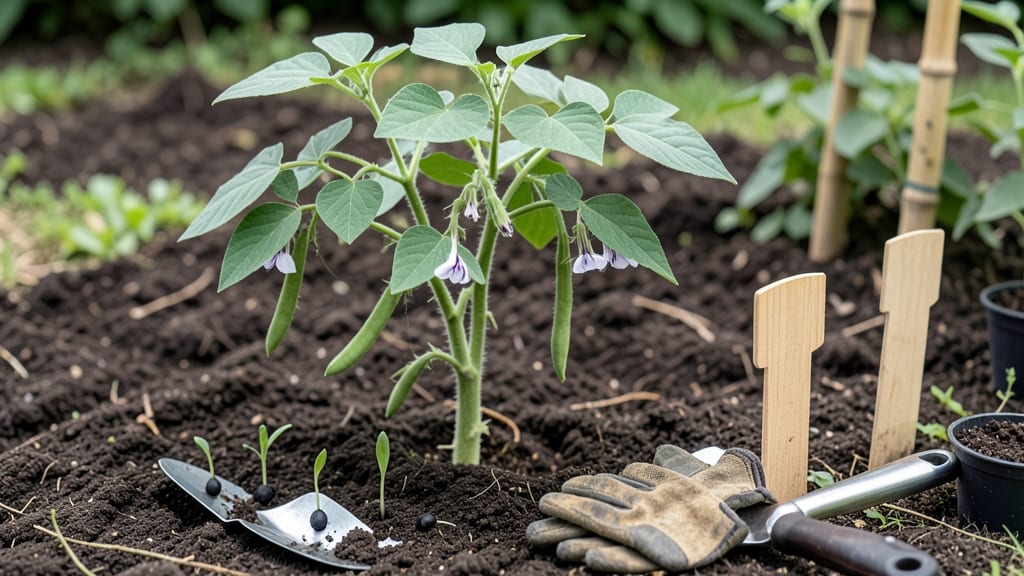
Planting beans in Zone 5 at the wrong time means watching your hard work wilt under late frost or bolt in summer heat—but get the timing right, and you’ll enjoy a bountiful harvest from July through September.
The key window is after your last frost date, typically around May 15, when soil temperatures consistently stay above 60°F.
I’ve learned the hard way that rushing beans into cold soil or waiting too long can ruin your crop.
Whether you’re growing bush beans or pole beans, the 30-day rule applies: count back from your first frost date (usually October 1 in Zone 5) to determine your final planting window. This ensures your plants mature before cold snaps strike.
For best results, focus on varieties like ‘Blue Lake’ (fast-maturing) or ‘Kentucky Wonder’ (pole beans) that thrive in Zone 5’s shorter growing season. I’ll walk you through adjusting planting dates for early, mid, and late-season crops—plus how to use row covers to extend your harvest.
Let’s make this your most successful bean-growing season yet!
Ready to avoid common mistakes? You’ll discover how to prep soil, space plants correctly, and even troubleshoot issues like poor germination or pest problems. With the right timing and care, your 🌱 beans will reward you with tender pods all summer long.
Optimal planting windows for bush and pole beans in Zone 5
In Zone 5, where the last frost date typically falls around May 15, timing your bush and pole beans correctly ensures a bountiful harvest before the first frost in early October.
The key is planting after soil temperatures reach 60°F (15°C), which usually happens by late April to early May. This gives both varieties enough time to mature—bush beans (50-60 days) and pole beans (60-70 days)—before cooler weather sets in.
Direct sowing is the preferred method for beans, as they hate being transplanted. Start seeds 1 inch deep in well-draining soil, spacing bush beans 4 inches apart and pole beans 4-6 inches apart along trellises.
For extended harvests, plan two to three plantings spaced 2-3 weeks apart, starting in late April and ending by early July.
Here’s a quick reference for your planting schedule, including frost risk and soil temperature thresholds:
| Planting Window | Variety Type | Soil Temp Threshold | Days to Maturity | Frost Risk |
|---|---|---|---|---|
| Late April - Early May | Bush Beans | 60°F (15°C) | 50-60 days | Low (after last frost) |
| Early May - Mid-May | Pole Beans | 65°F (18°C) | 60-70 days | Low (peak growing season) |
| Mid-May - Early June | Bush Beans (Succession) | 60°F (15°C) | 50-60 days | Moderate (late summer heat) |
| Early June - Late June | Pole Beans (Succession) | 65°F (18°C) | 60-70 days | High (late-season heat stress) |
For early-season planting, aim for late April if your soil warms quickly, but avoid planting before May 1 unless you use row covers to protect seedlings from lingering frost. Pole beans need slightly warmer soil (65°F) and should be planted 1-2 weeks after bush beans to align with their longer maturity window.
If you’re growing heirloom or slow-maturing varieties, like Kentucky Wonder pole beans, start seeds indoors in early April and transplant outdoors after the last frost.
However, direct sowing outdoors is still the best method for most gardeners, as beans develop better root systems when planted directly in the ground.
Monitor your local frost dates closely—Zone 5 can have unpredictable late frosts in May.
Use a soil thermometer to confirm temperatures before planting, and always have row covers or cloches on hand for unexpected cold snaps. Pole beans, in particular, struggle with cool soil, so wait until the ground is consistently warm.
For a fall harvest, consider late-summer plantings in early August, choosing fast-maturing varieties like Blue Lake bush beans (50 days). These can produce pods before the first frost in early October, giving you a second harvest window.
Just be prepared to harvest frequently to avoid overripe pods.
One common mistake in Zone 5 is planting too late for a full harvest. If you miss the June 1 deadline, your beans may not mature before frost.
To extend your season, try container growing—beans thrive in 5-gallon pots and can be moved to a sunny porch or greenhouse in late summer for a delayed harvest.
Finally, enrich your soil with compost or aged manure before planting, as beans are heavy feeders once they start producing pods.
A light application of nitrogen-rich fertilizer (like 10-20-10) at planting time can boost early growth, but avoid over-fertilizing, which can lead to leafy growth at the expense of pods.
With these Zone 5-specific planting windows and a little planning, you’ll enjoy a steady supply of fresh beans from July through September—just in time for canning, freezing, or enjoying straight from the vine! 🌱
How to adjust planting dates for early vs. late varieties
Not all beans mature at the same speed, and choosing the right variety for your Zone 5 garden can mean the difference between a bountiful harvest and a disappointing one.
Early varieties like 'Blue Lake' (50-55 days to maturity) are perfect for spring planting, while late varieties like 'Kentucky Wonder' (65-70 days) thrive when sown in early summer. The key is matching your planting window to the variety’s needs while avoiding heat stress or early frost.
For Zone 5, where the last frost typically occurs around May 15, timing is critical. Early varieties should go in the ground 2-3 weeks after frost, while late varieties need a longer growing season and should be planted 6-8 weeks before your first frost (around August 1).
This ensures your beans mature before fall temperatures drop.
- 🌱 Step 1: Choose Your Variety
Pick fast-maturing beans (e.g., 'Blue Lake') for early planting or slow-maturing beans (e.g., 'Kentucky Wonder') for late-season harvests. - ⏰ Step 2: Calculate Your Planting Window
Subtract the days to maturity from your first frost date (Oct 1 in Zone 5). Example: For 'Blue Lake' (55 days), plant by June 25. - 🌡️ Step 3: Avoid Bolting in Heat
If planting late, use shade cloth or row covers to protect from midday heat, which can cause beans to bolt prematurely.
To extend your harvest, consider a second planting of early varieties in late July. This works because Zone 5’s frost-free window (about 165 days) allows for multiple cycles if you choose quick-maturing types.
For example, 'Provider' (50 days) can be planted in both May and August for a staggered harvest.
Watch for heat stress signs like yellowing leaves or stunted growth, which often occur when beans are planted too late. If this happens, mulch heavily and water deeply in the morning to keep roots cool.
Some gardeners swear by succession planting every 2 weeks for a continuous supply, but this only works with fast-maturing varieties.
For beginners, a simple rule of thumb is to plant early varieties first, then late varieties 4-6 weeks later. This spreads out your risk and ensures you’re not left with overripe pods or frost-damaged plants.
Always check your seed packet for specific days to maturity—this is your best guide for Zone 5 success!
With the right timing, you can enjoy fresh beans from July through September, even in Zone 5’s shorter growing season. The secret? Variety selection and strategic planting dates—not just luck! 🌱