
Plants
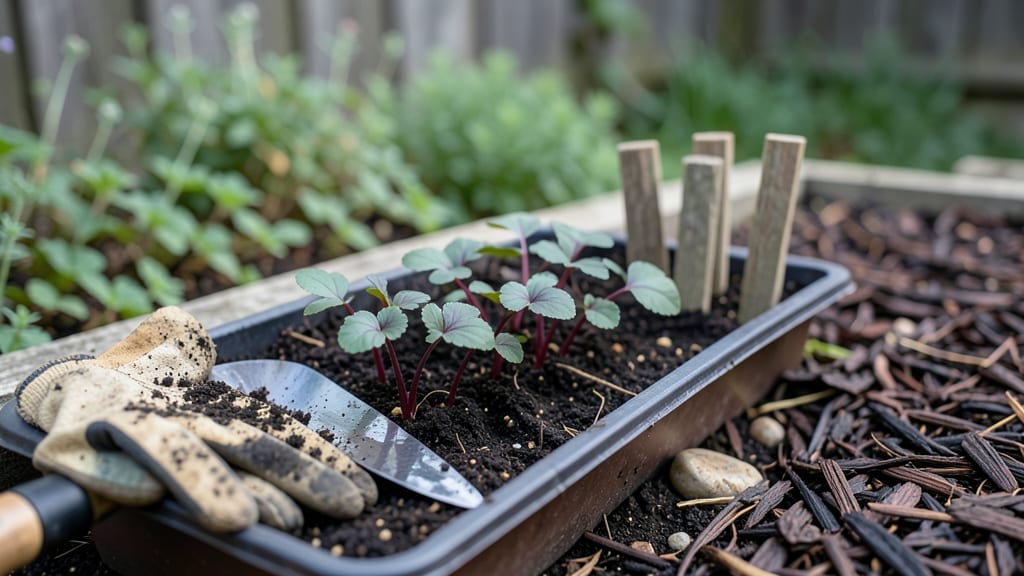
Planting beets in Wisconsin isn’t just about grabbing seeds and sticking them in the ground—it’s about timing them perfectly to avoid stunted roots or bitter greens before harvest.
With frost dates that can shift by weeks between Madison and Duluth, knowing the exact windows for your region is the key to a thriving 🍠 harvest.
Most gardeners in 4a-6b zones rush to plant as soon as soil thaws, but that’s a recipe for disappointment. Beets need consistently warm soil—50°F+—to germinate properly, and Wisconsin’s spring soil can linger in the 40s for weeks after the last frost.
Waiting until mid-April (for southern areas) or late April (for northern regions) ensures your seeds won’t sit cold and damp, waiting for the right conditions.
Here’s the secret: two planting windows work best in Wisconsin—spring (April 15–May 15) for baby beets and summer (July 1–August 1) for fall harvests. But those dates aren’t set in stone.
Urban heat islands in Milwaukee might let you start a week earlier, while lakeshore areas near Green Bay could delay planting by 10 days due to cooler microclimates. We’ll break down how to adjust for your specific corner of the state.
Whether you’re a first-time gardener or a veteran with bolted greens in your past, this guide will help you nail the timing—so you can enjoy crisp, sweet beets from June through November without the guesswork.
Wisconsin beet planting calendar by region: frost-date guides
Wisconsin’s three distinct climate zones mean your beet planting dates should vary by 500+ miles. Southern gardens in Madison or Milwaukee enjoy 2-3 weeks earlier last-frost dates than Duluth or Minneapolis-adjacent areas.
Even within regions, microclimates—like urban heat islands or lakeshore areas—can shift your ideal window by 7-10 days.
Beets thrive when soil reaches 50°F+, but direct sowing too early risks cold-sensitive seedlings. My strategy? Plant two successions: one for baby beets (45 days) and another for mature roots (60+ days). This ensures harvests from June through October—even in USDA Zones 4a-5a.
For Southern Wisconsin, start baby beets in late March under row covers or in a cold frame. By April 15, soil should be workable, and you can direct sow for mature roots.
My Milwaukee garden yields harvest-ready beets by June 1 if planted by April 1.
Central Wisconsin’s cooler soils delay planting until April 15. I recommend two plantings: one for quick baby beets (45 days) and another for storage roots (60+ days). Green Bay’s lakeshore warms faster—plant 7 days earlier—while Wausau’s inland valleys may need row covers until May 1.
Northern Wisconsin gardeners should wait until soil warms—test with a soil thermometer. Duluth’s short season means June 20–July 31 is your only fall window. I’ve had success with ‘Detroit Dark Red’, which tolerates cooler soils better than ‘Golden’ varieties.
Use black plastic mulch to speed soil warming by 2-3 weeks.
Fall planting is trickier in Wisconsin. Southern areas can extend harvests until November 1 with late-July sowings, while Northern zones should stop by August 1. Succession plant every 2 weeks in July for a continuous harvest through frost.
Pro tip: Test your soil before planting—beets hate soggy soil. Amend with compost to improve drainage. In heavy clay soils (common in Milwaukee), mix in sand or peat moss to prevent cracked roots. My Wausau plot thrives with raised beds filled with 50% compost.
Remember: Bolting risk increases when days lengthen after June 21. For late-summer plantings, choose bolting-resistant varieties like ‘Chioggia’ or ‘Cylindra’. Shade cloth can
How to adjust beet planting for Wisconsin’s microclimates
Wisconsin’s landscape isn’t one-size-fits-all—Lake Michigan’s moderating effect can delay frost by 2+ weeks near Milwaukee, while inland valleys like the Driftless Region may freeze earlier.
Even within cities, urban heat islands can push soil temps up by 5-10°F, letting you plant 10-14 days sooner in concrete jungles than in rural areas. These microclimates mean your neighbor’s perfect timing might ruin your harvest.
For lakeshore gardens, aim for late April to early May—warmer air and water keep soil thawing faster. In northern regions (like near Duluth), wait until mid-May when soil hits 50°F+ at 4-inch depth.
Use a soil thermometer to avoid guessing; cold soil slows germination and invites rot. Pro tip: Test soil moisture too—damp, chilly soil can suffocate seeds even if temps seem right.
Cold frames and low tunnels are your secret weapons for early spring or late fall plantings. A simple clear plastic dome over seeds can push soil temps up by 10°F, letting you start 3 weeks earlier in spring or 2 weeks later in fall.
For fall harvests, use black plastic mulch to warm soil—this buys you 4-6 extra weeks before first frost. Just remove covers when beets hit 1-inch diameter to avoid overheating.
Succession planting is non-negotiable in Wisconsin’s short season. Instead of one big May planting, stagger seeds every 2 weeks until early June for a continuous harvest.
Try this schedule: - Week 1 (late April): Baby beets (harvest in 45 days) - Week 3 (early May): Mature beets (harvest in 60 days) - Week 5 (mid-May): Heat-tolerant varieties (like ‘Detroit Dark Red’) for summer harvests - Week 7 (late May): Fall crop (harvest before frost)
Watch for bolting—beets bolt when days get long and temps rise above 75°F. In southern Wisconsin, this happens by late June; in the north, it’s July.
To delay bolting, use shade cloth (30-50%) during peak afternoon sun or choose bolting-resistant varieties like ‘Cylindra’ (great for pickling) or ‘Golden’ (sweeter when hot). Mulch with straw to keep roots cool and soil moist—drought stress speeds up bolting.
Pro move: Plant beets with radishes—radishes germinate faster, marking rows for your slower beet seeds. And pair them with lettuce or carrots to confuse pests. Avoid planting near pole beans (they compete for nutrients) or onion family crops (they stunt beet growth).
With these microclimate tweaks, you’ll turn Wisconsin’s quirks into longer harvests and fewer bitter surprises. 🌱