
Plants
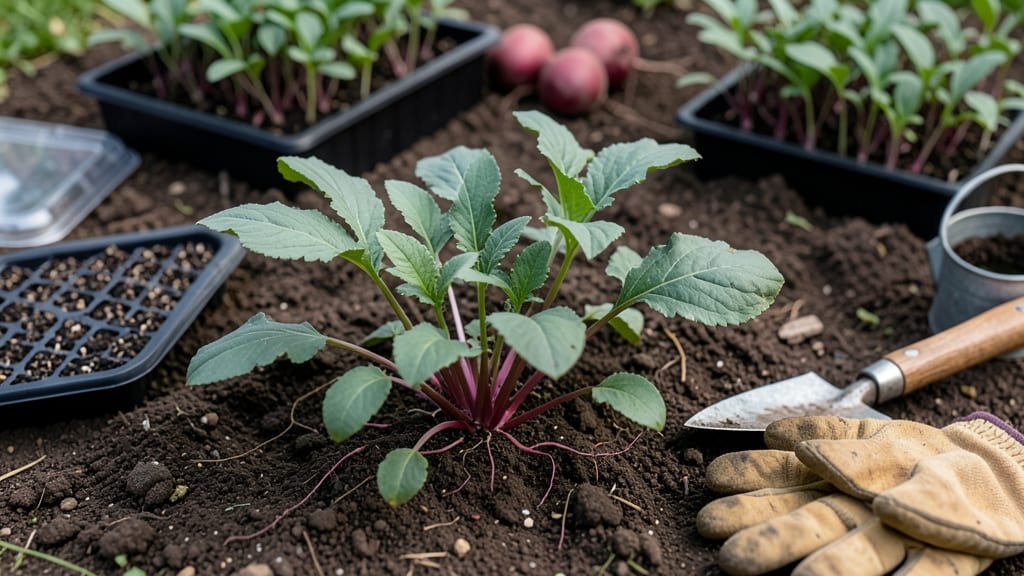
Planting beets in Central Texas might seem tricky with its brutal summers and unpredictable weather, but timing everything right can mean the difference between sweet, tender 🍠 harvests and bitter, bolted failures.
Most gardeners in zone 8a assume spring is the only chance to grow beets, but fall planting actually gives you the edge here. The key is starting seeds in September or October when soil temperatures drop below 75°F, preventing those dreaded heat-induced bolts.
I’ve learned the hard way that planting too early—like in August—can leave your beets struggling with the heat, while waiting until November risks frost before they mature. The sweet spot? 60 days to harvest before the first frost hits around December 1st.
Ready to master the Central Texas beet-growing game? I’ll walk you through the exact months to plant, heat-resistant varieties to try, and soil prep secrets that’ll have you harvesting crisp, flavorful beets all season long.
Optimal planting windows for beets in Central Texas by microclimate
Central Texas gardeners know timing is everything when it comes to growing beets. The urban heat islands of Austin can push soil temperatures to 100°F+ by midday, while Hill Country elevations experience 10-15°F cooler nights.
Even East Texas transitional zones have unique frost patterns that can ruin an early planting. To succeed, you need a microclimate-specific schedule that accounts for these variations.
Beets thrive when soil temperatures stay between 50°F and 80°F. Below 45°F, germination slows dramatically, and above 85°F, they bolt prematurely. Central Texas’s last spring frost typically occurs around February 15, while the first fall frost arrives by December 1.
This leaves just a 9-month window for successful beet cultivation—but not all months are created equal.
Here’s how to match your planting schedule to your specific microclimate, including soil temperature thresholds and frost risk analysis for Austin’s urban core, Hill Country elevations, and East Texas transitional zones.
For Austin’s urban heat islands, focus on late summer to early fall plantings (September 15-October 15) when daytime highs drop below 90°F.
The city’s concrete heat sink keeps nighttime temperatures 5-10°F warmer than rural areas, so avoid planting before September 1—your seeds will either rot or bolt prematurely. In Hill Country elevations, you can push your spring planting slightly later (up to March 30) because cooler nights delay bolting.
If you’re in East Texas transitional zones, your late summer window opens earlier (August 20) due to higher humidity and slightly cooler soils. However, be prepared for unpredictable late frosts—cover seedlings with row fabric if nighttime temps dip below 40°F.
A January 15 start gives you a 4-month harvest window before summer heat sets in.
Pro tip: Use a soil thermometer to confirm temperatures before planting. Beets need consistent moisture during germination, so water 1 inch per week (more in Austin’s urban core) and mulch with straw or wood chips to retain soil moisture.
In Hill Country, aim for 2 inches of mulch to protect against temperature swings.
Remember, succession planting is your best friend in Central Texas. Sow new seeds every 2 weeks from September through November to ensure a continuous harvest. This strategy works especially well in East Texas, where you can stretch your harvest into early June before the summer heat becomes unbearable.
Finally, avoid planting beets during peak summer months (June-August) unless you’re using shade cloth or growing heat-tolerant varieties like ‘Detroit Dark Red’. Even then, your yields will be 50% smaller and bolting is nearly guaranteed in 100°F+ heat. 🌱
How to avoid bolting: heat-tolerant varieties and shade strategies for Central Texas
Central Texas’s brutal summer heat can send your beets into a premature flowering frenzy—bolting—turning sweet roots into bitter, stringy failures. But with the right heat-tolerant varieties and strategic shade, you can extend your harvest window by 30-45 days.
The key is choosing varieties bred for high temperatures and creating microclimates that keep soil temps below 85°F.
Your first line of defense is selecting slow-bolting beet varieties like Detroit Dark Red or Chioggia, which handle 90°F+ days better than standard types. These varieties prioritize root development over flowering, giving you 2-3 weeks of extra harvest time before bolting kicks in.
For urban gardens with limited space, consider baby beet varieties like Little Ball, which mature in just 45-50 days.
Here’s how to maximize your chances of success with numbered-highlights tailored to Central Texas:
- 🌡️ 1. Plant heat-tolerant varieties like Detroit Dark Red or Boltardy—these handle 95°F+ without bolting.
- 🌳 2. Use shade cloth (30-50%) over rows during 10 AM–3 PM to drop soil temps by 10-15°F.
- 🪴 3. Mulch with straw or wood chips (3-4 inches deep) to keep roots cool and retain moisture.
- 💧 4. Water deeply twice weekly—focus on soil moisture, not foliage, to prevent stress-induced bolting.
- 🌿 5. Succession plant every 2 weeks in fall (Sept-Oct) for staggered harvests before heat peaks.
For urban gardeners with limited shade options, try vertical shade solutions like trellised sunflowers or fast-growing bamboos on the west side of your plot. These create dappled shade that reduces heat stress while still allowing 4-6 hours of sunlight—ideal for beets.
Pair this with drip irrigation timed for early morning to avoid wetting leaves, which can accelerate bolting.
Another game-changer is soil temperature management. Use a soil thermometer to monitor temps—beets bolt when soil exceeds 80°F for 3+ days.
If your garden hits 90°F+, switch to container growing with black plastic pots, which absorb heat and can raise soil temps by 5-10°F—counterintuitively helping in extreme heat. Add a 1-inch layer of reflective mulch (like white gravel) around containers to bounce back heat.
Don’t forget that evening harvests can extend your season. Beets planted in late August often survive until mid-October if given shade and consistent water. For a winter harvest, sow cold-hardy varieties like Ruby Queen in November—they’ll bolt less in spring’s mild temperatures.
The secret? Balance shade, water, and variety choice to outsmart Central Texas’s heat.
With these strategies, you’ll turn your garden into a bolting-proof beet sanctuary, even when temps soar. Start with one heat-tolerant variety** and a shade test plot this fall—your taste buds (and future harvests) will thank you! 🌱