
Plants
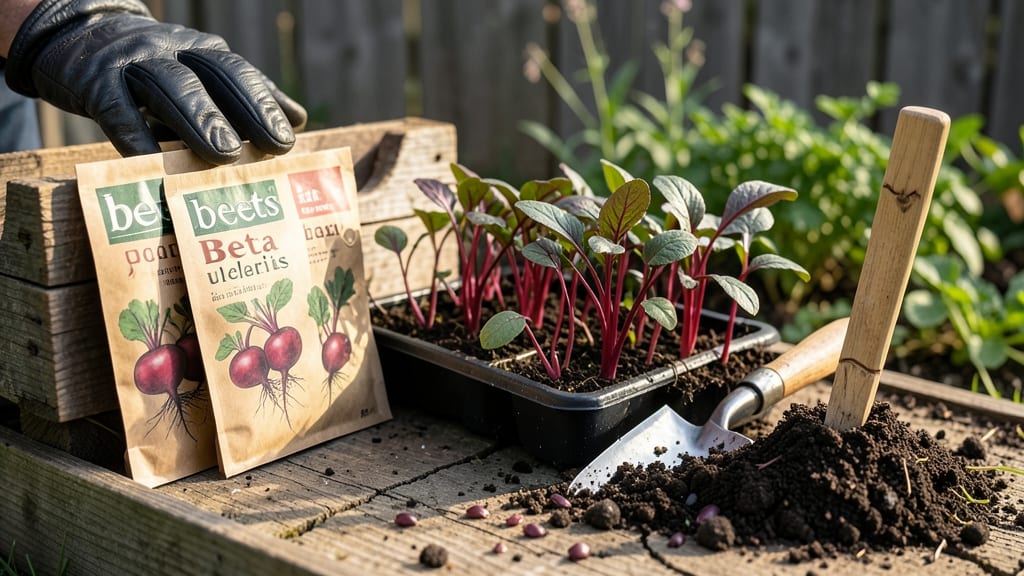
Timing your beet 🍠 planting in Utah isn’t just about following a calendar—it’s about outsmarting the state’s wild temperature swings and microclimates. Skip the guesswork, and you’ll end up with bitter greens or plants that bolt before they even mature.
The key? Planting in March-April or August-September when soil temps hit that sweet spot of 45-75°F—but knowing exactly when depends on whether you’re in the Wasatch Front or the High Desert.
I’ve grown beets in Utah’s USDA Zones 5-7 for years, and the difference between a thriving harvest and a failed attempt often comes down to one thing: local frost dates.
Most gardeners miss the window because they don’t account for elevation changes or the infamous "false spring" that can trick even the most seasoned growers. Let me show you how to nail the timing—no more wasted seeds or disappointing greens.
What if I told you that planting beets just 2 weeks too early in Cache Valley could mean bolting, while waiting too long in Southern Utah’s heat could stunt growth?
The solution isn’t one-size-fits-all, but with the right adjustments—like using shade cloth in June-July or succession planting in August—you can stretch your harvest from spring to fall. Ready to stop gambling with your garden?
In this guide, I’ll break down Utah’s 5 key microclimate zones, share my go-to varieties for zero-bolting success, and even reveal the one trick that saved my last batch from turning woody. No more second-guessing—just a foolproof plan for sweet, tender beets all season long.
Utah’s ideal beet planting windows by microclimate zone
Utah’s diverse landscapes—from the Wasatch Front’s urban gardens to the High Desert’s arid conditions—create wildly different planting windows for beets. Soil temperatures and frost dates shift dramatically between zones, making a one-size-fits-all approach a recipe for failure. Beets thrive when planted at the right time, but Utah’s microclimates demand precision to avoid bolting or stunted growth.
To succeed, I’ve broken down Utah’s five key microclimate zones—each with its own last frost dates, soil warming patterns, and ideal planting windows. Spring planting typically starts in March or April, while fall planting extends into August or September, depending on elevation and heat retention.
Let’s dive into the specifics so you can plant with confidence.
Pro Tip: Always check your local USDA Zone (5-7) and monitor soil temperatures with a probe—beets need 45°F+ to germinate consistently. False springs in Utah can trick gardeners into planting too early, only to face late frost damage.
| Zone | Last Frost Date | First Planting Window | Soil Temp Trigger | Fall Planting Window | Key Varieties |
|---|---|---|---|---|---|
| Wasatch Front (Salt Lake City) | April 10-15 | March 15 - April 5 | 45°F+ (consistently) | August 10 - September 1 | Detroit Dark Red, Golden |
| Cache Valley (Logan) | April 5-10 | March 1 - March 20 | 40°F+ (warmer soils) | August 1 - August 15 | Chioggia, Babybeat |
| Southern Utah (St. George) | March 1-15 | February 15 - March 10 | 50°F+ (desert heat) | September 1 - October 1 | Boltardy, Ruby Queen |
| Uintah Basin (Vernal) | April 20-25 | April 1 - April 15 | 50°F+ (cooler nights) | July 20 - August 10 | Detroit Dark Red |
| High Desert (Richfield) | April 5-10 | March 20 - April 1 | 45°F+ (dry soils) | August 15 - September 10 | Golden, Chioggia |
For the Wasatch Front, where urban heat islands can raise temperatures, I recommend starting seeds indoors in late February for a jumpstart. Transplant outdoors after your last frost date, typically around April 10-15. Soil temperatures here often lag behind air temperatures, so use a soil thermometer to confirm readiness—aim for 45°F+ for consistent germination.
In Southern Utah’s Zone 7 microclimates, like St. George, the growing season stretches longer. Winter planting is even possible if you use row covers to protect young seedlings from unpredictable cold snaps. Bolt-resistant varieties like Boltardy are my go-to for this region, as the desert heat
How to extend Utah’s beet season without bolting
Utah’s summer heat can turn sweet beet roots into bitter, leafy stalks overnight if they bolt. The key to avoiding this is strategic timing and variety selection tailored to Utah’s microclimates.
By using shade cloth, succession planting, and heat-tolerant varieties, you can enjoy fresh beets from early spring through fall without the woody, fibrous disappointment.
Bolting happens when beets sense heat stress or day length changes. In Utah, where temperatures can spike from 75°F to 95°F in a single week, preventing bolting requires proactive measures.
The right approach depends on whether you’re growing in lowland valleys (like Salt Lake City) or higher elevations (like Park City).
- 📅 Plant heat-tolerant varieties like 'Detroit Dark Red' (58 days) or 'Chioggia' (60 days) for Utah’s summers. Avoid 'Babybeat'—it bolts faster in heat.
- 🌞 Use 30-40% shade cloth when daytime temps hit 85°F+. Remove it by late afternoon to prevent leggy growth.
- 🔄 Succession plant every 2-3 weeks from April to August. Start with spring varieties (e.g., 'Early Wonder') and transition to heat-resistant types by June.
- 💧 Water deeply in the morning to keep soil consistently moist (1 inch per week). Utah’s dry air accelerates bolting if roots dry out.
- ⏳ Harvest young (roots 1-2 inches) before heat stress triggers bolting. Baby beets are sweeter and less likely to flower.
For Utah’s high-desert regions, like Moab or Price, start seeds indoors 4-6 weeks before your last frost (typically mid-April). Transplant seedlings outdoors when soil temps reach 50°F, using black plastic mulch to warm the soil faster. This head start gives beets a fighting chance against early heat spikes.
In mountain foothills (e.g., Ogden or Provo), where nights stay cool but days warm quickly, focus on late-summer plantings. Sow seeds in early August for a fall harvest before the first frost (October 15).
Use row covers to protect young seedlings from unexpected cold snaps that can stress plants and trigger premature bolting.
Another Utah-specific trick is to interplant beets with radishes. Radishes mature quickly (30 days) and can be harvested before they shade out beets. This space-saving tactic also disrupts weed growth, reducing competition for nutrients that could stress your beets.
Plus, radishes act as a bolting indicator: if they bolt, your beets are at risk too.
Finally, always rotate planting locations yearly. Beets are heavy feeders, and Utah’s alkaline soils (pH 7.5-8.5) can deplete nutrients faster. Amend planting beds with compost or aged manure before sowing, and consider a light side-dressing of nitrogen (like blood meal) when seedlings are 3-4 inches tall.
This boosts root development and resilience against heat.