
Plants
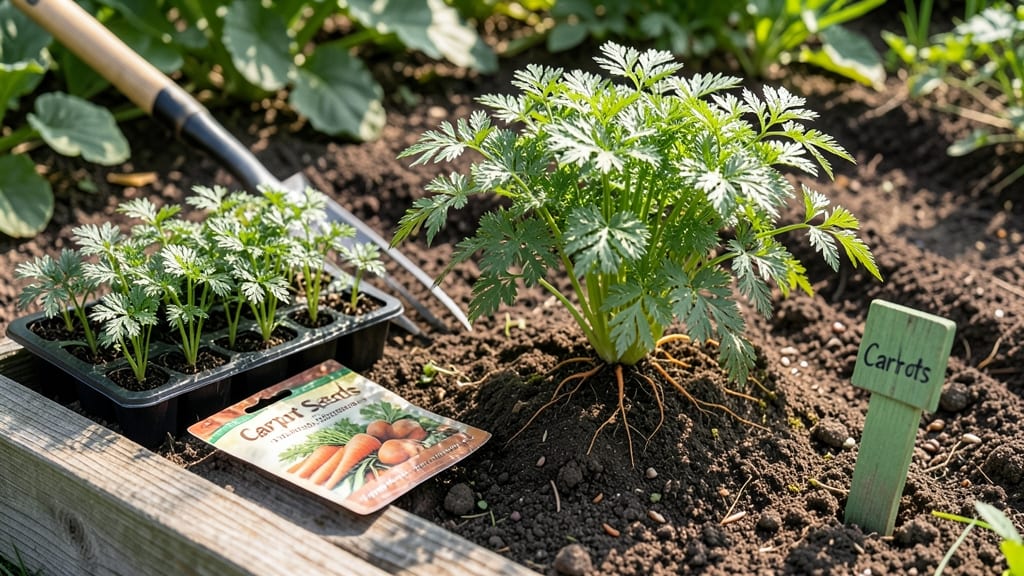
Planting carrots in North Carolina at the wrong time can turn your crisp, sweet dreams into bitter, stringy failures—especially when the heat triggers bolting. The key to avoiding this common gardener’s nightmare lies in understanding your local microclimate and timing those seeds just right.
With USDA zones 7a-8b and North Carolina’s diverse regions—from the humid Coastal Plain to the cooler Mountains—your planting window matters more than you might think. Whether you’re aiming for a spring harvest or a fall bounty, getting the timing down to February-March or July-August makes all the difference.
I’ve grown dozens of carrot batches in NC, and the difference between a perfect harvest and a disappointing one often comes down to a few simple adjustments.
From soil prep to frost dates, here’s what you need to know to grow crisp, straight carrots—no matter where you are in the state.
Let’s dive into the exact planting schedule, soil secrets, and pro tips to keep your 🥕 thriving from seed to harvest.
North Carolina carrot planting calendar by microclimate zone
North Carolina’s three distinct regions—Coastal Plain, Piedmont, and Mountain—each demand unique timing for carrot planting to avoid bolting and maximize harvests. The last spring frost (March 15 in Piedmont) and first fall frost (November 15 in Mountains) shift planting windows dramatically across the state.
Let’s break it down by zone to ensure your carrots thrive year-round.
In the Coastal Plain (USDA zones 8a-8b), milder winters mean you can start sowing carrots as early as January for spring harvests, while the Mountains (7a-7b) wait until late March or April to avoid frost damage.
The Piedmont falls in between, with ideal planting in February-March for spring crops and July-August for fall harvests.
🌱Key rule: Soil temperature must stay above 50°F for consistent germination. Use a soil thermometer to confirm readiness—especially in the cooler Mountain regions.
| Region | USDA Zone | Spring Planting Window | Fall Planting Window | Frost Dates | Harvest Time |
|---|---|---|---|---|---|
| Coastal Plain | 8a-8b | Jan 15 - Feb 28 | Jul 15 - Aug 15 | Last: Mar 1 | First: Nov 20 | May-Jun & Oct-Nov |
| Piedmont | 7b-8a | Feb 15 - Mar 15 | Jul 1 - Aug 10 | Last: Mar 15 | First: Nov 15 | May-Jun & Sep-Oct |
| Mountains | 7a-7b | Mar 20 - Apr 15 | Jun 20 - Jul 10 | Last: Apr 1 | First: Nov 1 | Jun-Jul & Sep-Oct |
For fall harvests, plant 70-80 days before your region’s first frost.
In the Coastal Plain, this means July-August sowings for October-November harvests, while Mountain gardeners aim for June-July plantings to beat the frost. Succession planting every 2-3 weeks ensures a continuous supply—critical for avoiding bolting during NC’s hot summers.
🌿Pro tip: Use shade cloth (30-50%) during peak summer months (June-August) to prevent heat stress, especially in the Piedmont and Coastal Plain where temperatures can exceed 90°F.
North Carolina’s humidity levels also impact planting. Coastal areas benefit from well-draining soil to prevent rot, while Mountain regions may need extra mulch to retain moisture during dry spells. Always amend soil with compost to improve texture—carrots hate compacted or rocky soil, which causes forked roots.
💡Variety matters: Choose Danvers for early spring (cold-hardy), Nantes for summer (longer roots), and Chantenay for fall (stubby, pest-resistant). Each thrives in NC’s 190 frost-free days, but timing varies by region.
🌡️Soil temperature check: Use a seedling heat mat if planting in Mountain regions before April 15, as cold soil delays germination. Aim for 60-70°F soil temps for optimal growth.
Finally, avoid planting near potatoes or parsley—these plants attract the same pests (like carrot rust fly) that can devastate your crop. Rotate planting locations yearly to maintain soil health and reduce pest pressure.
How to adjust planting times for zero-bolting success in NC
North Carolina’s summer heat can turn your carrot dreams into bolting nightmares—those bitter, stringy roots are a gardener’s worst enemy. The key to avoiding this is strategic planting timing and variety selection tailored to NC’s microclimates.
By adjusting when and what you plant, you can extend your growing season and keep those roots sweet and crisp.
First, focus on succession planting—staggering your sowing dates every 2-3 weeks from early spring to late summer. This ensures a continuous harvest while avoiding the peak bolting risk during June and July, when temperatures often exceed 85°F.
For example, start your first batch in late February (Coastal Plain) or early March (Mountains), then follow up with plantings in April, May, and July for fall harvests.
Next, choose heat-tolerant varieties like Danvers (great for cooler springs) or Nantes (better for fall). These types handle NC’s humidity and heat better than standard varieties. Pair them with shade cloth (30-50% coverage) during May-July to lower soil temperatures by 10-15°F and delay bolting.
A simple removable shade structure over your beds can make the difference between perfect roots and disappointment.
🌱 Pro Tip: If you’re planting in August for fall harvests, opt for short-day varieties like Paris Market or Little Finger—they mature faster in NC’s shorter autumn days.
5 Key Strategies to Prevent Bolting in NC
- 1. Plant in early spring (Feb-March) or late summer (July-August) to avoid peak heat.
- 2. Use shade cloth (30-50%) during May-July to cool soil and delay bolting.
- 3. Choose heat-tolerant varieties like Danvers or Nantes for NC’s climate.
- 4. Succession plant every 2-3 weeks for continuous harvests and reduced bolting risk.
- 5. Mulch with straw to retain moisture and stabilize soil temperatures.
Don’t overlook soil preparation—carrots need loose, well-draining soil to prevent forking. Amend your beds with compost or sand before planting, especially in clay-heavy Piedmont soils. A fine-textured soil mix (like 60% topsoil + 40% compost) ensures straight roots even in NC’s dense soils.
Finally, monitor your seed packets for days to maturity. In NC’s USDA Zones 7a-8b, aim for varieties that mature in 60-70 days to harvest before the first frost (typically mid-November).
Longer-season varieties (like Chantenay) may work in the Mountains but risk bolting in the Coastal Plain’s heat.
With these adjustments, you’ll beat the bolting curse and enjoy crisp, sweet carrots from spring through fall—no bitter surprises here! 🥕