
Plants
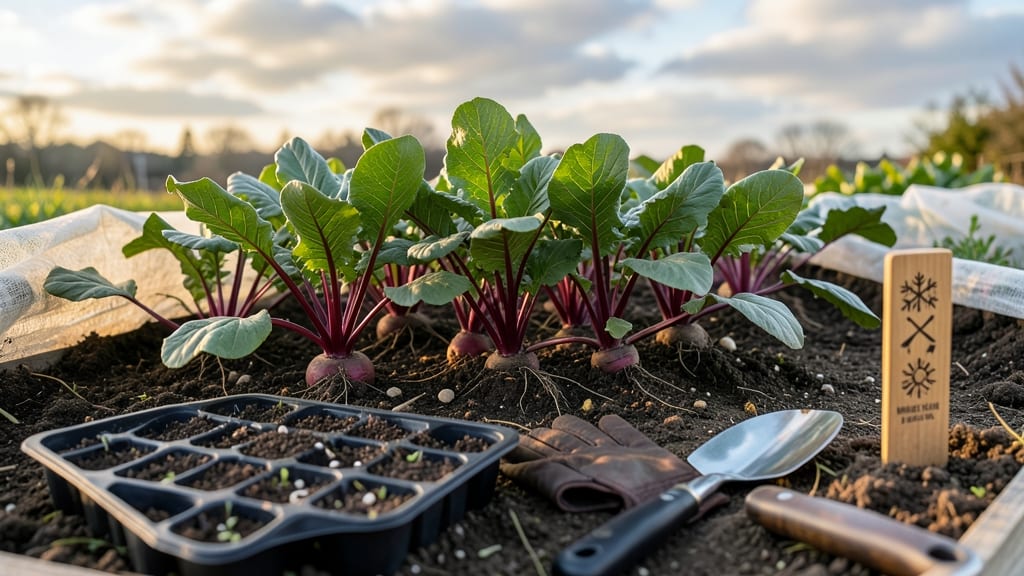
Planting beets in Minnesota isn’t just about dropping seeds in the dirt—it’s about outsmarting the short growing season and unpredictable frost dates. Miss the window, and you’ll end up with bitter, tough roots instead of the sweet, tender 🍠 harvest you’re dreaming of.
I’ve learned the hard way that timing is everything—whether you’re dealing with late spring frosts or early autumn chills. The key is knowing exactly when to start seeds indoors, when to direct-sow outdoors, and how to stretch your harvest with succession planting.
In this guide, I’ll break down the perfect planting schedule for Minnesota’s USDA zones 3-5, from early spring starts to late-summer succession crops. You’ll discover which cold-hardy varieties thrive in your climate and how to avoid the dreaded bolt before your beets even reach harvest size.
Ready to grow beets that are as reliable as they are delicious? Let’s get started with the exact dates and strategies that work in Minnesota’s unpredictable weather.
Minnesota beet planting calendar: exact start dates by region
Minnesota’s five distinct climate zones create wildly different planting windows for beets. From the Northland’s late starts to the Southeast’s early springs, each region demands a tailored approach. The key? Soil temperature thresholds of 40°F+ and frost-free dates that shift by 3-4 weeks across the state.
I’ll break down the exact windows—plus second-planting strategies to stretch your harvest until frost.
Beets thrive in cool weather but bolt when temperatures hit 80°F+. That’s why Minnesota gardeners rely on succession planting—two waves of seeds per season. The first planting goes in late April to early May, while the second arrives late July to avoid summer heat.
Let’s dive into your region’s precise timeline, so you never miss a harvest window.
Pro Tip: Use a soil thermometer to confirm 40°F+ before planting. Cold soil delays germination, and beets won’t tolerate waiting around. In Zone 3 (Northland), this often means waiting until May 15, while Zone 5 (Southeast) can start as early as April 1. The difference? Up to 6 weeks of growing season.
Minnesota Beet Planting Calendar by Region
| Region | USDA Zone | First Planting Window | Second Planting Window | Avg. Frost-Free Date | Soil Temp Threshold |
|---|---|---|---|---|---|
| Northland | 3 | May 15–June 1 | July 15–August 1 | May 25 | 45°F+ |
| Northern | 3-4 | May 1–May 15 | July 1–July 15 | May 10 | 42°F+ |
| Central | 4 | April 20–May 1 | June 20–July 5 | April 25 | 40°F+ |
| Southern | 4-5 | April 1–April 15 | June 15–June 30 | April 10 | 38°F+ |
| Southeast | 5 | March 25–April 10 | June 1–June 15 | March 30 | 35°F+ |
*Dates based on 30-year averages; adjust for your microclimate.
In the Northland (Zone 3), where last frost lingers until May 25
How to avoid bolting: spacing, succession planting, and variety tips for Minnesota’s short season
Beets bolt when they sense heat stress or long daylight, turning sweet roots bitter. In Minnesota’s short 120-150 frost-free days, preventing bolting means strategic planning. Start with proper spacing—crowded plants compete for resources, speeding up bolting.
Aim for 2-3 inches between seeds and thin to 3-4 inches apart once seedlings emerge. This airflow keeps roots cool and slows maturity.
Next, use succession planting to stretch your harvest. Sow beets every 2-3 weeks from mid-April to early June, then again in late July. This ensures a steady supply of young plants that stay cool-season happy.
For example, plant a batch on May 1st, another on May 15th, and a final one by June 1st—each batch will mature before summer heat triggers bolting.
For extra insurance, mulch with straw or grass clippings to keep soil temperatures 5-10°F cooler than ambient air. This mimics Minnesota’s cool, moist springs and extends the window for bolting-free growth.
Test soil moisture weekly—drought stress is another bolting trigger. Water deeply early in the morning to avoid evening dampness, which can promote disease.
Finally, rotate crops annually. Beets deplete soil nitrogen, and replanting in the same spot stresses future plantings. Pair them with legumes like peas or beans the following year to restore nitrogen levels.
With these tactics, you’ll enjoy sweet, zero-bolt beets from July through October—proving Minnesota’s short season can still deliver a bountiful harvest.