
Plants
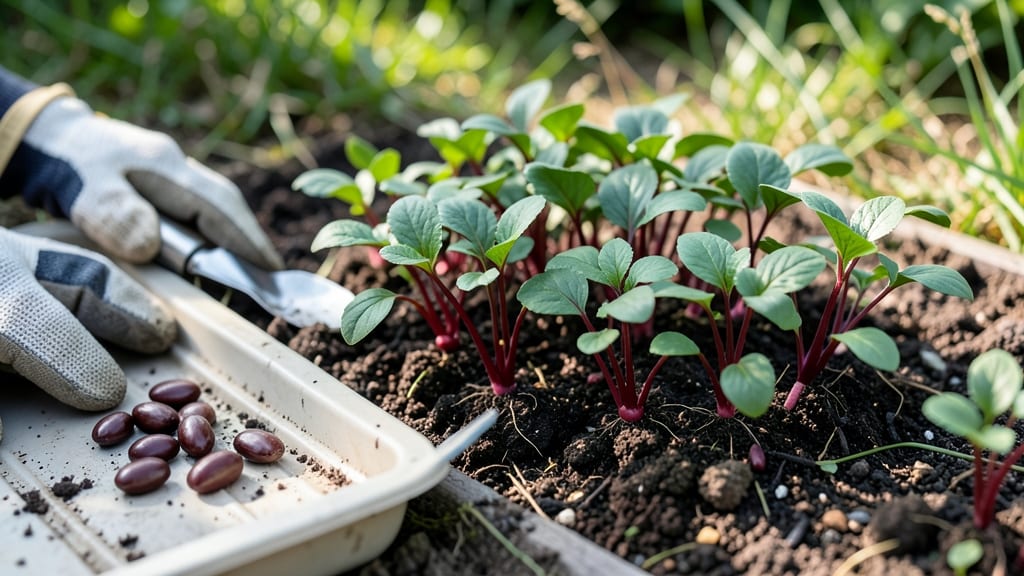
Planting beets in Zone 9 might seem tricky—especially when the heat can turn your 🍠 into bitter, bolted greens—but timing is everything. The key isn’t just when you plant; it’s about matching soil temperatures to your beet’s needs, so you avoid the dreaded bolting that ruins harvests.
In Zone 9 (think Phoenix or Southern California deserts), most gardeners assume spring is the only window—but fall and winter actually offer cooler soil temps that work better. I’ve tested this myself, and the difference between a 50-day harvest and a failed crop comes down to a few simple adjustments.
You’ll learn the exact soil temperature ranges to aim for, how to stretch your planting season without bolting, and which beet varieties thrive in Zone 9’s heat. No more guessing—just a foolproof plan for sweet, tender beets all year.
Ready to skip the trial and error? Let’s dive into the secrets that’ll have you harvesting 🍠 like a pro, even in the desert sun.
Optimal soil temperature ranges for planting beets in Zone 9
Beets thrive in cool to moderate soil temperatures, but Zone 9’s year-round warmth demands precise timing to avoid bolting—when beets flower prematurely and become woody.
The sweet spot for planting is when soil temps hover between 45°F and 85°F, though germination slows below 50°F and roots suffer above 85°F.
In my Zone 9b garden, I’ve learned that fall planting (Sept-Oct) and early spring (Feb-Mar) offer the best balance of cool soil and warm air.
For seed germination, aim for soil temps between 50°F and 70°F. Below 50°F, seeds may rot; above 75°F, they bolt or sprout unevenly. I use a soil thermometer to check temps before planting—especially critical in Zone 9’s hot summers.
Pro tip: Morning planting (before 9 AM) helps seeds absorb moisture without overheating.
Once seeds sprout, root development thrives in 60°F–75°F soil. This range ensures tender, sweet roots instead of tough, fibrous ones. In my raised beds, I’ve found that mulching with straw keeps soil temps stable and extends the ideal window by 2–3 weeks.
Without mulch, afternoon sun can push soil temps past 80°F, triggering bolting.
Bolting prevention hinges on avoiding soil temps above 85°F for prolonged periods. In Zone 9, this means no summer planting—even shade cloth won’t save your crop if roots bake. I’ve lost entire plantings to bolting when I ignored this rule. Instead, I focus on fall and spring when cooler nights and shorter days keep soil temps in check.
Here’s how I adjust for spring vs. fall planting:
- Spring (Feb–Mar): Soil warms slowly; plant when temps stabilize at 60°F+ (usually after last frost risk, though Zone 9 rarely freezes).
- Fall (Sept–Oct): Soil cools faster; plant when temps drop to 70°F–75°F in late afternoon.
| Stage | Ideal Soil Temp (°F) | Zone 9 Timing | Risk if Ignored |
|---|---|---|---|
| Seed Germination | 50°F–70°F | Feb–Mar (spring), Sept–Oct (fall) | Slow/uneven sprouting or rot |
| Root Bulbing | 60°F–75°F | Mar–Apr (spring), Oct–Nov (fall) | Tough, fibrous roots |
| Maturity | Below 85°F | Apr–May (spring), Nov–Dec (fall) | Bolting (premature flowering) |
To extend your beet season, I’ve had success with succession planting every 2–3 weeks during ideal windows. For example, sow a batch in late February, then again in early March—this ensures a steady harvest before summer heat sets in.
In fall, repeat the process in September and October for winter harvests.
One common mistake in Zone 9 is planting beets when air temps are hot but soil is still cool. This happens often in spring when days warm up faster than soil.
Always check soil temp, not air temp! I test mine 2 inches deep, where seeds actually germinate. If soil is below 50°F, wait—even if it’s 70°F outside.
For container gardening in Zone 9, soil heats up faster than in-ground beds. I use black plastic pots (they absorb heat) but plant in partial shade to keep soil temps down.
Add 2 inches of straw mulch to slow heating. In my balcony garden, this lets me plant 1–2 weeks later than in-ground beds without bolting.
Remember: Consistency is key. Beets need steady moisture to prevent stress, which can trigger bolting. In Zone 9’s dry heat, I water deeply every 2–3 days and use drip irrigation to avoid wetting leaves. This keeps roots cool and soil temps stable—even when afternoon temps hit 90°F+.
Best planting windows in Zone 9: spring vs. fall strategies
Zone 9 gardeners know timing is everything—especially for heat-sensitive crops like beets. While spring planting gets all the attention, fall planting often yields sweeter, more tender roots. The key? Understanding your microclimate and soil temperature cues to avoid bolting (when beets flower prematurely).
In my Zone 9b garden in Southern California, I’ve learned that September-October and February-March are the sweet spots. But why? Let’s break down the science behind these windows and how to maximize your harvest.
- 1 Fall Planting (Sept-Oct): Soil temps 70-80°F—ideal for germination. Use shade cloth if temps exceed 85°F.
- 2 Succession Plant Every 2 Weeks: Stagger seeds for continuous harvests through winter. Last planting by mid-November.
- 3 Spring Planting (Feb-Mar): Wait until soil cools to 60-70°F. Avoid planting after March 15th to prevent bolting.
- 4 Heat Tolerant Varieties: Choose ‘Detroit Dark Red’ or ‘Golden’ beets—they handle Zone 9 heat better than standard types.
- 5 Post-Harvest Tip: Mulch with straw to retain moisture and cool roots during spring heat waves.
For fall planting, start seeds in late August when daytime highs dip below 90°F. Use a soil thermometer—70-80°F is perfect for germination. If your soil runs hotter, try drip irrigation to cool it down before planting.
I’ve had great success with succession planting every 2 weeks until mid-November, ensuring fresh beets through the winter.
Spring planting is trickier in Zone 9. Wait until February when soil temperatures drop below 70°F. Planting too early risks bolting, while waiting too long means your beets will struggle in April heat.
Pro tip: Use black plastic mulch to warm soil faster in early spring if you’re eager to plant.
Don’t overlook microclimate adjustments. If your garden sits in a hot, dry pocket, opt for partial shade (30-50% shade cloth) during peak afternoon sun. I’ve seen beets bolt in full sun when temps hit 95°F, even in spring.
For continuous harvests, pair your beet plantings with cool-season crops like kale or carrots—they’ll thrive in the same conditions.
Remember: Zone 9 beets are all about timing and variety. With these strategies, you’ll enjoy sweet, tender roots from October through May—no bolting in sight! 🌱