
Plants
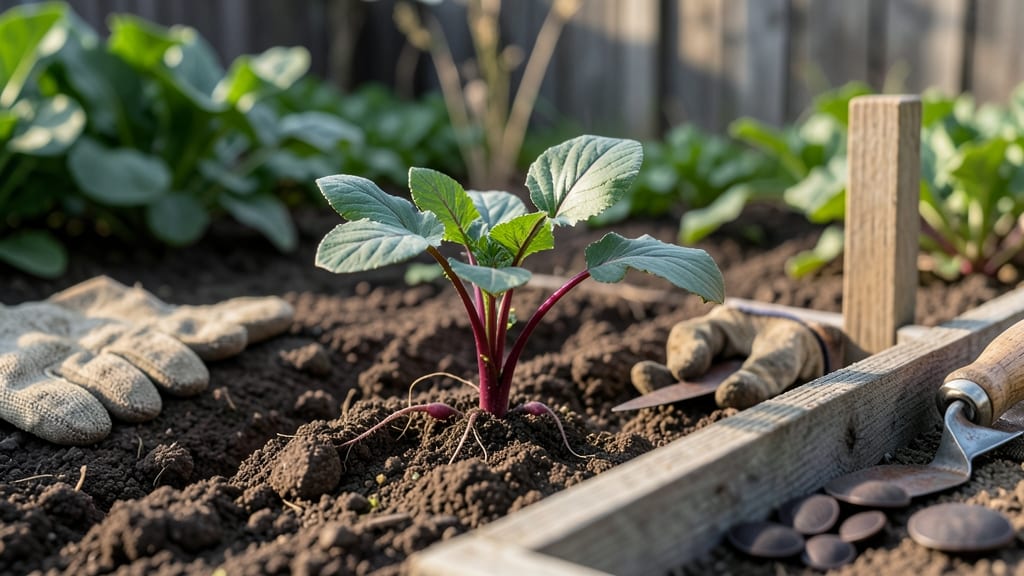
When to plant beets in Massachusetts isn’t just about luck—it’s about beating the clock to avoid bolting or frost. Plant too early, and you’ll get bitter greens; too late, and your roots turn to mush. The key? Nailing those frost-date windows so you can enjoy tender beets from May through October.
Most gardeners in USDA Zone 6a know the drill: start seeds indoors by March 1 or direct-sow outdoors after the last frost (April 15), but summer heat can still throw a wrench in your plans.
The secret? Stagger plantings every 2-3 weeks to keep a steady supply, while late-summer sowings in August give you a fall harvest before the first frost hits.
I’ve tested this strategy for years in my own garden, and the results speak for themselves: no wasted seeds, no bolted greens, and beets ready to pull when they’re sweetest. Whether you’re a first-time gardener or a seasoned pro, these exact planting windows will transform your harvest—no guesswork required.
Ready to master the calendar? Let’s break down the frost-date cheat sheet that keeps my beets perfect all season long, from Boston to the Cape. You’ll never second-guess your planting schedule again.
Massachusetts beet planting calendar: exact frost-date windows for zero-bolt success
Massachusetts gardeners face a unique challenge with beets—unpredictable spring frosts and summer heat can turn sweet roots into bitter, bolted messes. The key to success? Planting at the right frost-date windows when soil temperatures hit 50°F (10°C) for germination.
I’ve broken down the exact timing for Boston, Worcester, and Cape Cod to help you avoid common mistakes like early bolting or frost damage.
Beets thrive in cool but consistent temperatures, making early spring and late summer the perfect planting windows. However, Massachusetts’ USDA Zones 5-7 mean frost dates vary by region—Boston’s last frost typically arrives by April 15, while Cape Cod holds onto frost until May 1.
Understanding these variations ensures your beets grow sweet and tender, not tough and woody.
Here’s your frost-date cheat sheet for planting beets in Massachusetts, including soil temperature requirements and regional adjustments:
| Region | Last Frost Date | First Frost Date | Spring Planting Window | Fall Planting Window | Soil Temp for Germination |
|---|---|---|---|---|---|
| Boston | April 15 | October 15 | March 20 - April 30 | August 1 - August 31 | 50°F (10°C) |
| Worcester | April 20 | October 10 | March 25 - May 5 | July 20 - August 20 | 50°F (10°C) |
| Cape Cod | May 1 | October 5 | April 15 - May 15 | July 10 - August 10 | 50°F (10°C) |
For spring planting, wait until the soil reaches 50°F (10°C)—this prevents seeds from rotting in cold, wet soil. In Boston and Worcester, this usually aligns with late March to early April, while Cape Cod’s later frost means you can start as late as mid-April.
Use row covers if nights dip below 40°F (4°C) to protect young seedlings.
Fall planting is trickier—beets need 60-70 days to mature before the first frost. In Boston and Worcester, aim for August to ensure harvests before October 15.
On Cape Cod, where frost comes earlier, plant by late July to avoid bolting. Choose cold-hardy varieties like ‘Detroit Dark Red’ for fall success.
Pro tip: Test your soil temperature with a soil thermometer before planting. Beets won’t germinate below 50°F (10°C), and waiting a few extra days can save you from bolt-prone plants. If your soil is too cold, start seeds indoors under grow lights and transplant after the last frost.
Bolting is the #1 enemy of Massachusetts beet growers, caused by heat stress or fluctuating temperatures. To prevent it, mulch heavily to keep soil cool and moist, and avoid planting during hot summer months (June-July). Instead, focus on early spring and late summer windows for the sweetest harvests.
Once your beets are in the ground, maintain consistent moisture—drought stress accelerates bolting. Water deeply once a week (or more in summer) and avoid overhead watering to prevent disease. With the right timing, you’ll enjoy tender, sweet beets from June through October—no bolting in sight!
Remember, Massachusetts’ microclimates mean your neighbor’s perfect harvest might not match yours. Adjust planting dates based on your local frost history, and don’t hesitate to stagger plantings every 2 weeks for a continuous supply. Happy planting—and may your beets stay sweet and bolt-free!
How to extend beet harvests: succession planting strategies for Massachusetts gardens
Succession planting is your secret weapon for a continuous beet harvest in Massachusetts. By staggering plantings every 2-3 weeks, you can enjoy fresh beets from early summer through late fall, even as temperatures drop.
The key is selecting varieties that thrive in both heat and cool weather while avoiding gaps in your harvest schedule.
Start with cold-hardy varieties like 'Detroit Dark Red' or 'Golden' for early spring and late fall plantings. These varieties tolerate 40°F soil temperatures and can survive light frosts, giving you flexibility. Pair them with heat-tolerant types like 'Chioggia' for mid-summer plantings when temperatures climb above 80°F.
- Early Spring: Plant 3-4 weeks before last frost (mid-March) for baby beets ready by May. Use row covers if nights dip below 45°F.
- Mid-Spring: Sow every 2 weeks until May 15 for continuous harvests. Space seeds 1-2 inches apart and thin to 3-4 inches when seedlings are 2-3 inches tall.
- Late Summer: Plant August 1-15 for fall harvests. Choose cold-hardy varieties and plant ½ inch deep in well-drained soil to prevent rot.
- Fall Extension: Use black plastic mulch to warm soil and extend harvests into October. Harvest before ground freezes (October 15 in most of MA).
For spacing and depth, maintain consistency to avoid competition. Plant seeds ½ inch deep and 1-2 inches apart in rows 12-18 inches apart. Thin seedlings to 3-4 inches apart once they sprout to ensure proper root development. This spacing also makes weeding and harvesting easier.
Monitor your soil temperature with a soil thermometer—beets germinate best in 50-70°F soil. If temperatures drop below 50°F, use seedling heat mats or wait until conditions warm. In USDA Zone 6a, this often means delaying early plantings until mid-April.
Don’t forget to rotate crops every year to prevent soil-borne diseases like beet curly top virus. Follow beets with legumes or brassicas to improve soil health. With these strategies, you’ll enjoy a 12-week harvest window—from June through October—without gaps or bolting.
Pro tip: Mark your planting dates on a garden calendar and set reminders for thinning and harvesting. A well-planned succession schedule turns beets from a one-time harvest into a season-long staple for your kitchen. 🌱