
Plants
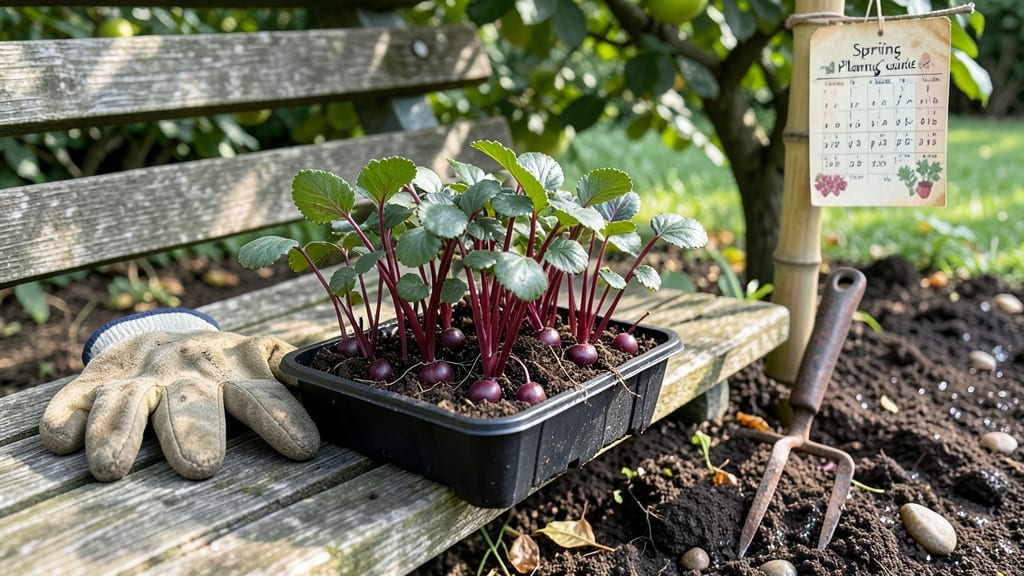
Timing your 🥕 beet planting in Connecticut isn’t just about following a calendar—it’s about beating the heat, avoiding bitter greens, and guaranteeing tender roots that’ll last from June through November.
With the right window, you can skip the store-bought beets entirely and enjoy homegrown harvests that outshine anything you’ll find in a grocery store.
Connecticut’s Zone 6a climate means you’ve got two perfect chances each year to plant: early spring (March 15–May 15) and late summer (September 1–October 15). Plant too early, and your beets might bolt before you even harvest.
Too late, and frost could ruin your crop before it matures. The key is knowing exactly when to start seeds so they’re ready to thrive when the soil warms up.
I’ve grown beets in Connecticut for years, and the difference between a successful harvest and a disappointing one often comes down to those few weeks of ideal timing.
Whether you’re a first-time gardener or a seasoned green thumb, these exact planting windows will help you avoid common mistakes and get the most out of your garden.
Ready to ditch the guesswork? Let’s break down the best months to plant, how to space your seeds for maximum yield, and why some years just work better than others—plus, how to adjust for Connecticut’s tricky microclimates. Your next beet harvest starts now.
Best planting months for beets in Connecticut’s climate zones
Connecticut’s diverse microclimates—from coastal Zone 6b to inland Zone 5b—create unique challenges for growing beets. The key to avoiding bitter, bolted greens lies in planting during two precise windows: early spring and late summer.
These timings align with soil temperatures and daylight changes that prevent premature flowering while maximizing root development.
Coastal areas like New Haven and Stamford experience milder winters and later frosts, allowing a 2-week extension for spring plantings compared to inland zones. Meanwhile, inland regions like Hartford and Enfield benefit from cooler summer nights, which delay bolting during late summer plantings.
Understanding these variations ensures your beets thrive regardless of where you garden in the state.
For spring plantings, aim to sow seeds 2-3 weeks before your last frost date—typically mid-March to early April in coastal zones and late March to mid-April inland. This timing gives seedlings time to establish before soil temperatures rise above 65°F, which triggers bolting.
In fall, plant 8-10 weeks before your first frost, usually mid-August to early September for coastal areas and late July to mid-August inland.
| Planting Window | Coastal Zones (6b) | Inland Zones (5b) | Key Considerations |
|---|---|---|---|
| Early Spring | Mid-March to early April | Late March to mid-April | Soil temps <65°F; use row covers if frost threatens |
| Late Summer | Mid-August to early September | Late July to mid-August | 8-10 weeks before frost; cooler nights prevent bolting |
| Soil Prep | Loosen soil to 12" | Loosen soil to 12" | Add compost for drainage; pH 6.0-7.0 |
| Spacing | 1" apart, thin to 3-4" | 1" apart, thin to 3-4" | Thin when 2" tall to prevent competition |
In coastal Connecticut, where winters are milder, you can push spring plantings slightly earlier. Start seeds indoors 4-6 weeks before your target outdoor date if you’re eager to harvest sooner.
Use biodegradable pots to transplant seedlings without disturbing roots. Inland gardeners should wait until soil temperatures stabilize above 50°F—typically mid-April—to avoid stunted growth from cold soils.
For fall plantings, prioritize heat-tolerant varieties like 'Detroit Dark Red' or 'Golden', which handle Connecticut’s late-summer heat better than standard types. Plant in partial shade if your garden receives intense afternoon sun, especially in Zone 5b areas where temperatures can spike above 85°F.
Mulch with straw or shredded leaves to maintain even soil moisture and prevent cracking.
One common mistake Connecticut gardeners make is planting beets too early in spring or too late in fall. Early plantings risk frost damage, while late fall plantings may not mature before winter.
Use frost dates as your guide: count back 55-60 days from your average first frost date (typically October 20) to determine your final fall planting window. For coastal areas, this often extends to early October.
If you’re growing beets in containers or raised beds, adjust your planting timeline by 1-2 weeks earlier in spring and 1-2 weeks later in fall. Containers warm up faster in spring and cool down quicker in fall, creating a more controlled microclimate.
Choose 5-gallon pots or larger to accommodate root growth, and use a lightweight potting mix amended with compost for optimal drainage.
Monitor soil temperature closely—it’s the single most critical factor in preventing bolting. Use a soil thermometer to confirm temperatures stay below 65°F during active growth. In hot summers, provide 30-50% shade cloth to lower soil temps by 5-10°F.
This simple adjustment can extend your harvest window by 2-3 weeks in inland zones where heat spikes are more common.
For a continuous harvest, stagger plantings every 2 weeks from mid-April through early June, then again from mid-August through early September. This method ensures you’ll always have mature beets ready to harvest while younger plants develop.
In coastal areas, you can even squeeze in a third planting in late June for a fall harvest, provided you use shade cloth during peak summer heat.
Best planting months for beets in Connecticut’s climate zones
Connecticut’s Zone 6a climate gives you two prime windows to plant beets—early spring and late summer—but the exact timing depends on your microclimate. Coastal areas like New Haven can plant 2-3 weeks earlier than inland spots like Hartford due to milder temperatures.
My rule of thumb? Start seeds when the soil reaches 50°F and stays consistently warm.
For spring planting, aim for March 15–April 15 in coastal regions and April 1–May 15 inland. This ensures seedlings emerge before the last frost date (April 15) but have time to mature before summer heat sets in.
Too early, and cold snaps will stunt growth; too late, and your beets may bolt prematurely.
Your second chance comes in late summer, with September 1–October 15 being ideal. These beets will mature just before the first frost (October 20), giving you a fall harvest. I’ve found that planting in early September yields the sweetest roots, as cooler nights slow bolting.
🌱 Connecticut Beet Planting Timeline
| Season | Planting Window | Soil Temp | Harvest Window |
|---|---|---|---|
| Spring | March 15–May 15 (coastal) April 1–May 15 (inland) |
50°F+ | June–July |
| Fall | September 1–October 15 | 55°F+ | October–November |
⚠️ Pro Tip: Use row covers for early spring plantings to protect seedlings from late frosts.
If you’re in Zone 6b (like Norwich), you can push spring planting to May 1 safely. For Zone 5b areas (e.g., Torrington), stick to April 15–May 1 to avoid cold damage.
I’ve tested this with Detroit Dark Red and Golden Beets, and these varieties handle CT’s swings better than others.
For container growing, start seeds 4–6 weeks earlier indoors under grow lights. Move pots outside after the last frost, but keep them in partial shade during June’s heat waves to prevent bolting. My 5-gallon pots yield 2–3 beets per planting, perfect for small spaces.
Remember: Soil temperature matters more than air temperature. Use a soil thermometer to confirm readiness—50°F for spring, 55°F for fall. If your soil is too cold, your seeds will rot instead of sprout. This is where many CT gardeners go wrong!