
Plants
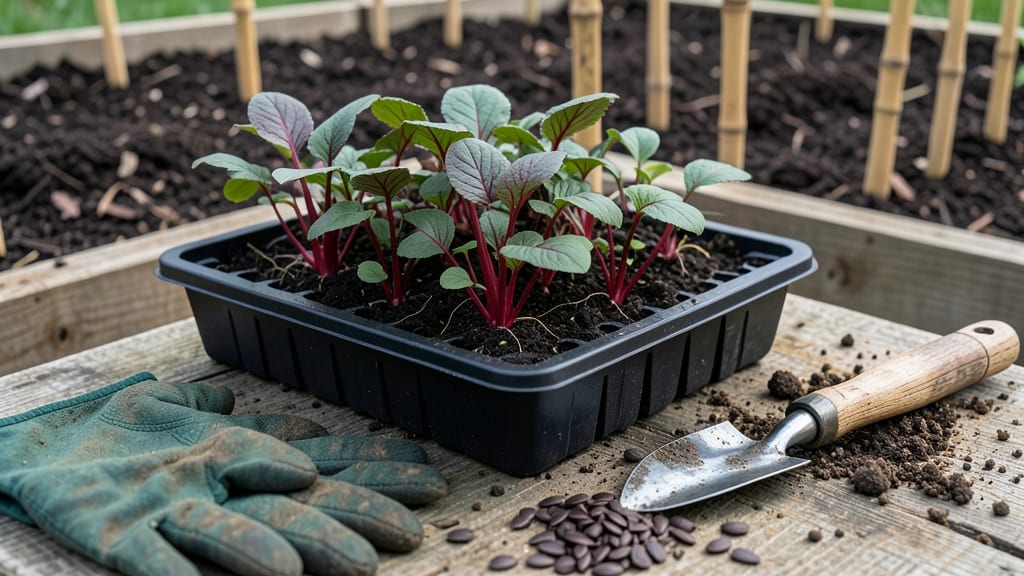
Timing your 🍠 beet planting in Indiana isn't just about the calendar—it's about outsmarting the state's fickle weather to grow sweet, tender roots instead of bitter greens. Plant too early, and you risk bolting from cold snaps; too late, and summer heat turns your harvest into a disappointment.
I've learned the hard way that Indiana's 5b-6b zones demand precision. The key is planting early spring (March-April) when soil temperatures hit 50°F, or late summer (July-August) for fall crops—both windows avoid the heat that triggers premature flowering.
Let me show you exactly when to start seeds for zero-bolt success.
What sets Indiana apart is its microclimates—northern gardens need to wait until after the April 15 average last frost, while southern areas can start sooner. We'll break down the exact dates for your region and how to adjust for unpredictable frost patterns that can ruin your entire crop.
Beyond timing, I'll share my 3-step strategy for direct sowing versus transplants, plus companion plants that keep pests away and extend your harvest from June through November. Ready to grow beets that actually taste good?
Indiana microclimate planting zones: best months for beet success
Indiana’s three distinct microclimates create unique challenges for beet growers. Northern regions like Gary or Fort Wayne face later frost dates, while Southern areas like Evansville or Bloomington experience earlier warming. Understanding these localized planting windows is key to avoiding bolted beets and ensuring tender roots.
Beets thrive when soil temperatures reach 45°F (7°C)—a threshold often met 2-4 weeks earlier in Southern Indiana than Northern areas. Historical data shows Northern Indiana’s last frost typically occurs around April 20-25, while Southern Indiana sees March 25-April 5 averages.
Planting too early risks frost damage, while waiting too long triggers heat-induced bolting.
For optimal results, I recommend focusing on two planting windows: early spring (March-April) and late summer (July-August). The comparison table below breaks down region-specific timing, soil temperature thresholds, and historical frost-free dates to help you plan with precision.
In Northern Indiana, aim to plant mid-April to early May when soil temperatures consistently stay above 45°F (7°C). This timing aligns with the average last frost date of April 20-25, giving seedlings enough time to establish before summer heat arrives.
For fall plantings, focus on late July to early August to ensure harvests occur before the October 10-15 first frost.
Central Indiana gardeners have a 2-week advantage over Northern regions. Plant late March to early April for spring crops, as soil warms faster in this transitional zone. The fall window shifts slightly earlier, with early to mid-July plantings ideal for avoiding bolting.
Southern Indiana’s earlier frost dates allow for March plantings, but always monitor soil temperatures—cool nights can delay warming even in warmer microclimates.
Pro tip: Use a soil thermometer to confirm readiness. Beets won’t germinate well below 45°F (7°C), and waiting for consistent warmth prevents seed rot. In my Central Indiana garden, I’ve found that March 20th plantings often struggle due to late cold snaps, while April 1st sowings thrive.
Adjust based on your local 5-year frost averages—Indiana’s climate shifts yearly!
For fall harvests, prioritize July plantings to avoid summer heat stress. Beets grown in 80°F+ (27°C+) temperatures bolt rapidly, turning sweet roots into bitter greens. In Southern Indiana, I’ve had success with mid-June plantings that mature by October 15th, just before frost.
Always leave 8-10 weeks between planting and first frost to ensure full root development.
Don’t overlook microclimates within regions. A south-facing garden bed warms 1-2 weeks earlier than a north-facing one. Use row covers for early spring plantings in cooler areas to extend the season.
In Northern Indiana, I’ve protected March 15th sowings with floating row covers, achieving harvests 3 weeks earlier than unprotected beds.
Historical data shows Indiana’s frost-free period averages 165 days, but this varies by 5-10 days between regions. Use local weather stations or USDA Plant Hardiness Zone maps to refine your timing.
For example, Zone 5b (Northern Indiana) has fewer frost-free days than Zone 6a (Southern Indiana), impacting your planting strategy.
Remember: Bolting isn’t just about heat. Stress from drought, poor soil, or overcrowding can also trigger flowering. In Indiana’s humid summers, mulch heavily to retain moisture and prevent soil temperature spikes.
Aim for consistent soil moisture—beets need 1 inch of water weekly, but avoid waterlogging, which causes forked roots.
By aligning your plantings with regional frost dates and soil temperature thresholds, you’ll maximize your beet harvest
How to stagger beet plantings for continuous harvests in Indiana
Staggering your beet plantings is the secret to enjoying fresh, sweet roots from June through October in Indiana. By sowing seeds every 2-3 weeks, you'll create a rolling harvest that keeps your kitchen stocked and prevents overcrowding.
I've perfected this method over years of Hoosier gardening, and it's how I avoid the bitter disappointment of bolting plants when summer heat arrives.
The key to success lies in timing your plantings to match Indiana's 165-day frost-free season. Start your first batch in early April when soil temperatures reach 50°F, then follow up with additional sowings every 14-21 days.
This creates a steady supply without overwhelming your garden space at once.
For direct sowing, create shallow furrows in your prepared bed using a garden hoe. Space your seeds 1-2 inches apart and cover them with ½ inch of soil. Keep the area moist until germination, which typically occurs in 7-14 days depending on soil temperatures.
I always use a fine mist setting on my hose to avoid disturbing the delicate seedlings.
One of my favorite companion planting strategies is interspersing lettuce and onions between my beet rows. These plants naturally repel beet leafhoppers and carrot rust flies, which can devastate your crop.
I've found that garlic planted around the perimeter acts as an additional deterrent while improving soil health through its natural antifungal properties.
Harvest begins when your beets reach 1-3 inches in diameter, typically 50-70 days after sowing. For continuous harvests, I recommend checking plants every 3-5 days starting in early June.
The earlier you harvest, the sweeter and more tender your beets will be. Don't forget to leave the top greens attached when pulling to reduce stress on the root.
Extend your season even further by making a final late summer planting around July 15. These beets will mature just in time for fall harvests before the first frost hits around October 15.
With this method, I've successfully grown beets for four months straight, giving me fresh roots from June through October without any gaps.