
Plants
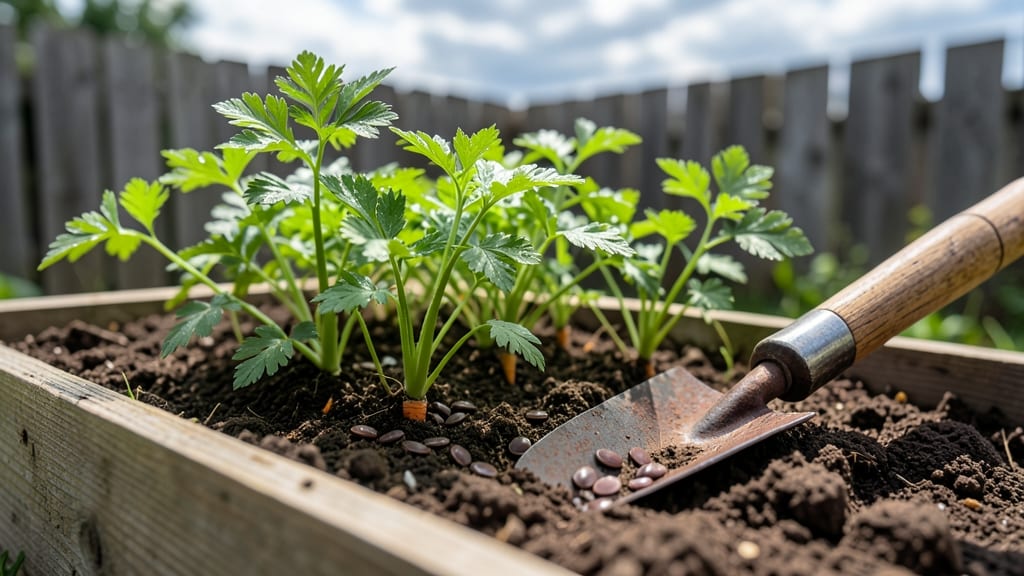
Planting carrots 🥕 in Louisiana might seem tricky—with its steamy summers and mild winters—but timing is everything to avoid bitter, bolted roots. The key lies in those fall and early spring windows when temperatures cooperate, giving you sweet, crisp harvests instead of disappointment.
Most gardeners in zones 8a-9b swear by September-October plantings, when soil stays warm enough to germinate seeds but cools just enough to prevent bolting. But did you know there’s also a winter window for hardy varieties? Let me show you exactly when to plant for zero-bolt success.
Whether you’re in north Louisiana’s cooler microclimate or the south’s balmier zones, the right schedule makes all the difference. I’ll break down the month-by-month strategy so you can skip the guesswork and enjoy homegrown carrots from November through June.
Ready to ditch the store-bought crunch? Let’s get those seeds in the ground at the perfect time—no more wasted effort or bitter surprises.
Louisiana carrot planting calendar: month-by-month microclimate breakdown
Louisiana’s three distinct microclimates—North, Central, and South—dictate when to plant carrots for zero-bolt harvests. North Louisiana (USDA Zones 7b-8a) has cooler winters, while South Louisiana (Zones 8b-9a) stays warmer year-round. Central Louisiana (Zone 8a) sits in between, offering a longer growing window.
Understanding these differences prevents bolting and maximizes your harvest.
Carrots thrive in cool weather but bolt when soil temps exceed 75°F. Louisiana’s fall planting (September-October) and winter planting (February-March) are ideal. Spring planting (March-April) risks bolting unless you use shade cloth.
Each microclimate has unique frost dates—North sees first frost by December 1, while South may avoid frost entirely.
Here’s how to align your planting with Louisiana’s microclimates, soil temps, and frost dates for foolproof carrots:
Feb 15-Mar 15
May-June
Feb 1-Mar 15
April-June
Jan 15-Feb 28
March-May
For North Louisiana, aim for September 15-October 15 to harvest before frost. Central Louisiana gardeners can stretch planting to October 30 and enjoy harvests until December. South Louisiana’s extended warm season allows August 15-September 30 plantings, with harvests through November.
Always test soil temps—use a soil thermometer to confirm 55-70°F ranges.
Succession planting every 2-3 weeks ensures a continuous harvest. In North Louisiana, start a second batch in February for a May-June harvest. Central and South Louisiana can plant again in January for a March-May crop. Short-day varieties like ‘Danvers’ or ‘Nantes’ perform best in Louisiana’s climate.
Use shade cloth (30-50%) if planting in late spring to prevent bolting. Mulch with straw to maintain even soil temps and reduce weed competition. Well-draining soil is critical—amend clay-heavy areas with compost or sand to prevent forking. Test soil pH (6.0-7.0) before planting.
In South Louisiana, where winters are mild, you can even try winter planting (January-February) under row covers for a March-April harvest. North Louisiana gardeners should prioritize fall plantings and use cold frames to extend the season. Always monitor weather forecasts—unexpected cold snaps can delay growth.
Bolting is the #1
How to avoid carrot bolting in Louisiana’s heat: soil prep and succession tips
Carrots 🥕 in Louisiana’s heat are like Goldilocks—they need conditions that aren’t too hot, too cold, or too dry. The biggest enemy here is bolting, where your plants flower prematurely, leaving you with bitter, stringy roots.
But with the right tricks, you can stretch your growing season and avoid this common pitfall.
First, focus on soil temperature. Carrot seeds need soil that’s at least 60°F to germinate but won’t sprout well if it’s above 85°F. In Louisiana’s summer, that means planting in early fall or late winter when temps are just right.
Use a soil thermometer to check—it’s your best friend for timing.
Next, shade cloth is your secret weapon. A 30-50% shade cloth can drop soil temps by 10-15°F, creating a cooler microclimate for your carrots. I’ve seen gardeners in zone 9b use it to extend their spring planting into May, avoiding the worst of the heat.
Just remove it once seedlings emerge to prevent legginess.
✅ Pro Tips to Prevent Bolting in Louisiana
- Use shade cloth for summer plantings—30-50% coverage works best.
- Mulch heavily with straw or wood chips to keep soil cool and moist.
- Choose bolt-resistant varieties like ‘Danvers’ or ‘Nantes’ for Louisiana’s climate.
- Plant in succession every 2-3 weeks for continuous harvests and cooler soil.
- Avoid over-fertilizing with nitrogen—it encourages leafy growth over roots.
Don’t overlook succession planting. Instead of one big batch, sow seeds every 2-3 weeks from September through November. This keeps your soil cooler and ensures a steady supply of fresh carrots.
I’ve had success with short-season varieties like ‘Paris Market’ (50 days to harvest) planted in October for a winter crop.
For soil prep, mix in compost or aged manure to improve drainage and fertility. Louisiana’s clay-heavy soils can cause forking, so loosen the top 12 inches of soil before planting.
A fork or tiller works best—just avoid compacting the soil again afterward. Add a 1-inch layer of sand if your soil is particularly dense.
Finally, water consistently but avoid wetting the foliage. Drip irrigation is ideal—it delivers moisture directly to the roots without encouraging fungal diseases. Aim for 1 inch of water per week, and always water in the early morning to let the soil dry slightly during the day.
This routine keeps your carrots happy and bolting-free.
With these adjustments, you’ll beat the heat and enjoy crisp, sweet carrots straight from your Louisiana garden. The key is patience and preparation—your future harvests will thank you! 🌱