
Plants
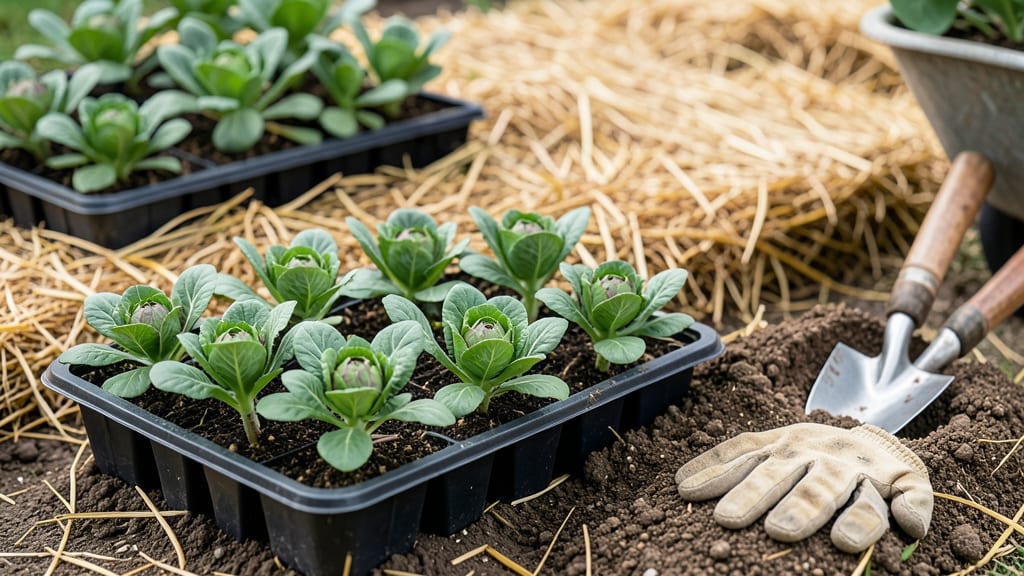
Timing your 🥬 cabbage planting in Oklahoma isn’t just about following a calendar—it’s about outsmarting the state’s sudden heat spikes and late frosts to avoid bitter, bolted heads.
Plant too early, and your cabbage might turn to seed before you even harvest. Too late, and summer’s sweltering temps can send your plants running for the hills.
I’ve learned the hard way that Oklahoma’s USDA zones 6b-8a demand precision—spring plantings should start 4-6 weeks before your last frost date, typically by early March, while fall crops need to hit the soil by mid-July to mature before winter sets in.
The key? Knowing your microclimate, whether you’re in the cooler Panhandle or the warmer southeastern regions.
What if I told you there’s a 3-step method to guarantee crisp, sweet heads every time? We’ll cover the exact planting windows for your zone, how to stretch your growing season with simple row covers, and which cabbage varieties actually thrive in Oklahoma’s heat—no more guessing games.
Let’s get those seeds in the ground the right way.
Whether you’re a first-time gardener or a seasoned green thumb, these insights will save you from wasted effort and empty garden beds. Ready to grow cabbage that’s bolt-free and harvest-ready? Let’s dive in.
Oklahoma cabbage planting calendar by microclimate zone: avoid bolting with precision timing
Oklahoma’s diverse climate—from the arid Panhandle to the humid Southeastern regions—means cabbage planting dates vary wildly. Plant too early, and heat will trigger bolting (flowering). Plant too late, and frost ruins your crop. The key is timing based on your USDA zone and microclimate.
Cabbage thrives in cool weather (50–75°F) and struggles when soil temps hit 80°F+. Oklahoma’s last frost dates range from early March in the Panhandle to late March in the Southeast. Use these microclimate-specific windows to align planting with your local frost risk.
🌱 Pro Tip: Always check your local frost-free days (180–220 days in OK) and adjust planting dates accordingly. For spring crops, aim for 4–6 weeks before last frost. For fall, plant 100–130 days before first frost.
| Zone | Last Frost | Spring Planting | Fall Planting | Soil Temp Trigger |
|---|---|---|---|---|
| Panhandle (6b-7a) | March 1-15 | Feb 15 - Mar 15 | Jul 15 - Aug 15 | 45–55°F |
| Western (7a-7b) | March 10-20 | Feb 20 - Mar 25 | Jul 1 - Aug 10 | 45–55°F |
| Central (7b-8a) | March 15-25 | Mar 1 - Apr 10 | Jun 20 - Jul 30 | 50–60°F |
| Eastern (7a-7b) | March 20-30 | Mar 10 - Apr 15 | Jun 15 - Jul 25 | 50–60°F |
| Southeastern (7b-8a) | March 25 - Apr 5 | Mar 15 - Apr 20 | Jun 10 - Jul 20 | 50–60°F |
For spring planting, start seeds indoors 6–8 weeks before your last frost date. Transplant seedlings outdoors when soil temps hit 45–55°F and nighttime temps stay above 40°F. In Oklahoma’s Central and Eastern zones, this usually means March–April.
For fall planting, aim for July–August in most zones. Use shade cloth if temps exceed 85°F to prevent bolting. In the Panhandle, you can push fall planting slightly later (up to August 15) due to cooler nights.
If you’re in Zone 8a (Southeast OK), consider succession planting every 2–3 weeks from March to July. This stretches your harvest window and reduces bolting risk. Just monitor soil moisture—Oklahoma’s summer heat dries soil quickly.
🌡️ Critical: Use a soil thermometer to confirm temps. Cabbage roots need consistent moisture but won’t tolerate soggy soil. Amend clay-heavy Oklahoma soil with compost to improve drainage and water retention.
For direct sowing (skipping seedlings), plant in late winter (February) under row covers or in early fall (September) for a late harvest. Direct-sown cabbage in Oklahoma’s heat often bolts faster, so transplanting seedlings is the safer bet.
Finally, track your local frost dates—Oklahoma’s climate shifts yearly. Use resources like the Oklahoma Mesonet or Almanac’s frost calculator to fine-tune your planting schedule. With precision timing, you’ll avoid bitter, bolted cabbage and enjoy crisp, sweet harvests all season.
How to extend Oklahoma’s cabbage growing season: cold frames, row covers, and succession planting hacks
Oklahoma’s short growing season and sudden heat spikes can turn your cabbage dreams into bolting disasters—but I’ve cracked the code. By using season-extending tricks, you can harvest cabbage in late fall or even start early spring plantings without risking frost damage.
The secret? A mix of DIY cold frames, lightweight row covers, and strategic succession planting.
First, let’s talk about cold frames. These simple, low-cost structures trap heat from the sun and protect your plants from late spring frosts or early fall chills. A basic cold frame can add 4-6 weeks to your growing season—perfect for extending fall harvests into November.
For spring, they help jumpstart seedlings 2-3 weeks earlier than direct sowing.
🌱 Pro Tip: Use clear plastic lids (like those from old storage bins) or even Plexiglas sheets for your cold frame. Angle the lid at 30 degrees to prevent overheating during Oklahoma’s 90°F+ days.
📌 Numbered Highlights: Season-Extending Hacks for Oklahoma Cabbage
- 1. Cold Frame Magic: Build a low-cost frame (wood + plastic lid) to start seeds 4 weeks before last frost or extend fall harvests 2 weeks later.
- 2. Row Cover Power: Use floating row covers (like Agribon 15) to protect from light frosts (down to 25°F) and heat stress.
- 3. Succession Planting: Sow new seeds every 2 weeks from March to July for continuous harvests.
- 4. Shade Cloth Savior: Use 30-50% shade cloth in summer to prevent bolting during heatwaves.
- 5. Mulch Mastery: Apply straw or wood chips to keep soil cool and moist during Oklahoma’s summer droughts.
For row covers, I swear by Agribon 15—it’s lightweight enough to let rain through but blocks 90% of light to prevent overheating. Drape it over hoops or stakes to create a mini greenhouse effect.
This works wonders for fall plantings when nights get chilly but days stay warm. Just remember to remove covers during the day in summer to avoid heat stress.
If you’re planting for a fall harvest, start your last succession planting by mid-July. Choose fast-maturing varieties (like ‘Golden Acre’) that can handle cool nights and still reach maturity before first frost. Pair this with a row cover to push your harvest window into early December.
Don’t forget mulching—it’s your secret weapon against Oklahoma’s soil temperature swings. A 3-inch layer of straw keeps roots cool in summer and insulated in winter. Plus, it reduces watering by 30%, saving you time and effort.
With these tricks, you’ll turn Oklahoma’s unpredictable climate into your cabbage-growing advantage. No more wasted seeds or bitter harvests—just crisp, sweet heads all season long. 🌿