
Plants
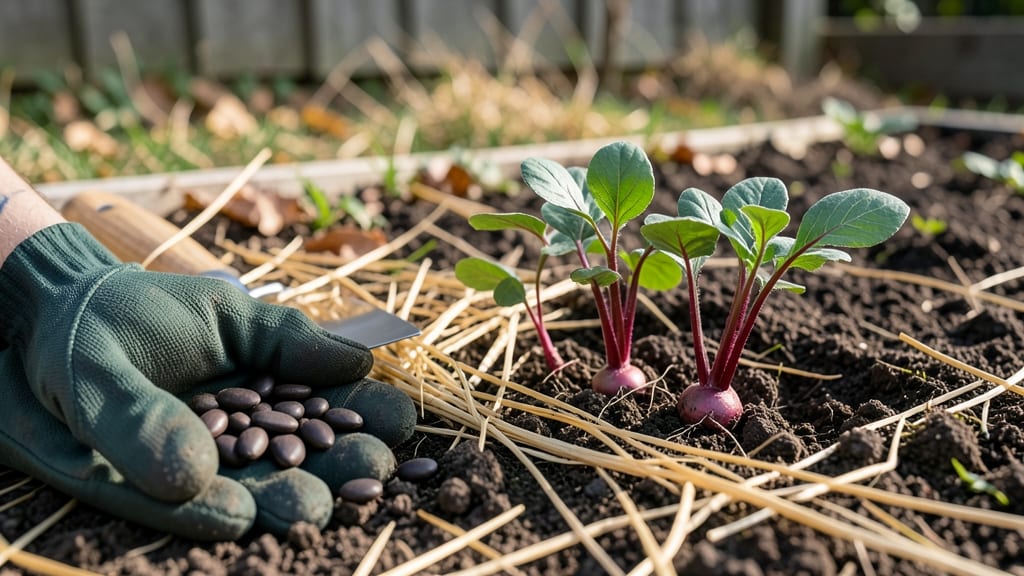
Planting beets in Central Florida isn’t just about timing—it’s about outsmarting the heat to grow sweet, tender 🍠 roots instead of bitter bolts. The key? Knowing exactly when to sow seeds so your beets thrive in the 9a-10a climate without wilting under summer’s glare.
Most gardeners here make one big mistake: planting too late in spring or too early in fall, leaving their beets to struggle with bolting—that’s when they sprout flowers instead of roots.
But with the right schedule, you can enjoy harvests from November to January or even stretch them into early spring.
I’ve tested the best windows—September to October for fall and February to March for spring—and I’ll show you how to prep soil, choose heat-resistant varieties, and keep your beets happy even when temps climb. No more wasted seeds or disappointing harvests!
Ready to grow beets that rival grocery store quality? Let’s dive into the exact steps to make it happen in your Central Florida garden.
Central Florida beet planting calendar: heat zone 9b’s best windows to avoid bolting
Central Florida’s 9b heat zone creates unique challenges for growing beets—too much sun and heat sends them bolting before you can harvest those sweet roots. The key is planting during cooler months when temperatures stay within their ideal 60–75°F range.
I’ve grown beets here for years, and these timing windows have given me the most consistent success while avoiding the bitter, leafy disappointment of bolting.
Beets are cool-season crops, but Florida’s warm winters and long growing season let you plant twice a year: once in fall and again in early spring. Summer planting is a gamble unless you’re willing to use shade cloth and extra water.
Let’s break down the exact months, temperature thresholds, and soil prep steps to maximize your harvest.
⚠️ Critical Note: Bolting happens when beets sense heat or drought stress. In Central Florida, this means spring plantings require extra care—shade cloth, mulch, and consistent watering—to delay flowering. Fall plantings, however, are far more forgiving.
| Season | Planting Window | Avg. Temp Range (°F) | Soil Prep | Bolting Risk | Days to Harvest |
|---|---|---|---|---|---|
| Fall | Mid-August to early October | 75–85°F (day) / 60–70°F (night) | Loose, compost-amended | Low (if shaded) | 50–60 |
| Winter | November to February | 60–75°F (day) / 45–55°F (night) | Well-drained, mulched | Moderate (watch for cold snaps) | 45–55 |
| Spring | Late February to early April | 70–80°F (day) / 55–65°F (night) | Shade cloth + mulch | High (heat stress) | 40–50 |
Use shade cloth (30–50%) in spring to delay bolting by 2–3 weeks.
For fall plantings, start seeds in mid-August when daytime highs begin dropping below 85°F. This gives seedlings time to establish before temperatures stabilize in September and October.
I’ve found that Detroit Dark Red varieties thrive in these conditions, producing deep, sweet roots without bolting if given afternoon shade during late August.
Winter is your sweet spot for beet growing in Central Florida. Plant from November through February when daytime temps stay between 60–75°F. The cooler nights help prevent bolting, and the well-drained, mulched soil retains moisture better.
I’ve had success with Golden Beets during this window—they’re milder in flavor and bolt less readily than other varieties.
Spring plantings are high-risk but possible with extra care. Start seeds in late February when soil temps are still cool. Use 50% shade cloth to block the harsh spring sun, and mulch heavily to keep roots cool.
Without these precautions, beets will bolt within 3–4 weeks, turning your harvest into a pile of bitter greens.
Soil preparation is non-negotiable in Central Florida’s clay-heavy soil. Before planting, amend your beds with 2–3 inches of compost and work in a 1-inch layer of sand to improve drainage.
Beets hate soggy roots, which can happen quickly in our humid climate. Test your soil’s pH—beets prefer 6.0–7.0, and Central Florida’s native soil often skews acidic.
Watering strategy makes or breaks your beet harvest. Deep, infrequent watering encourages root growth, while shallow watering leads to small, misshapen roots. Aim for 1–1.5 inches of water per week, delivered in the early morning to reduce evaporation.
During spring plantings, increase frequency to every 2–3 days if temperatures exceed 80°F.
Succession planting is my secret weapon for continuous harvests. In Central Florida, I plant every 2 weeks from August through October and again in February and March. This ensures a steady supply of fresh beets without overwhelming your garden at once.
For example, a 2-week gap between plantings in September gives you a harvest window from October through December.
Watch for bolting signs: elongated stems, yellowing leaves, or flowers forming. If you spot these, harvest immediately—the roots will still be edible but less tender. In extreme heat, I’ve even pulled up and replanted bolting beets with new seeds for a second chance at a harvest.
Top 3 beet varieties that thrive in Central Florida’s heat (ranked by success)
Not all beets handle Central Florida’s 90°F+ heat the same way. Some varieties bolt within weeks, while others stay sweet and tender—if you pick the right ones.
I’ve grown dozens of varieties here, and these three consistently deliver bold flavor, high yields, and bolting resistance when planted at the right time.
Your biggest challenge? Heat stress triggers bolting (flowering) faster than you can say "harvest." The varieties below are ranked by their ability to stay cool under pressure, with Detroit Dark Red earning top honors for its unmatched heat tolerance and storage life.
Let’s dive into the details so you can skip the trial-and-error.
Detroit Dark Red is my go-to for Central Florida gardens because it resists bolting even when temps flirt with 95°F. Its deep red color stays vibrant, and the roots store for months in a cool root cellar. For spring planting, I swear by Golden Beets—they mature faster (just 40–50 days) and taste like buttery sunshine, perfect for roasting or pickling.
If you’re growing beets for visual appeal, Chioggia ‘Candy Cane’ delivers stunning pink-and-white stripes, but here’s the catch: it’s only reliable in fall or winter. Plant it in September or November, and you’ll get gorgeous, crunchy roots before the heat kicks in.
Skip it for summer, or you’ll be pulling sad, bolted greens instead of harvests.
Pro tip: For maximum heat resistance, pair your chosen variety with shade cloth (30–50%) during the hottest afternoon hours (12–4 PM). I’ve seen this extend the growing window by 2–3 weeks, turning a failed spring crop into a successful summer harvest.
Just remember: water deeply at the base—never overhead—to keep roots cool and stress-free.
Ready to pick your winner? Detroit Dark Red is my #1 recommendation for beginners, but if you’re craving something sweet and quick, Golden Beets will steal the show. And for those Instagram-worthy gardens, Chioggia delivers—just don’t plant it in summer! 🌱