
Plants
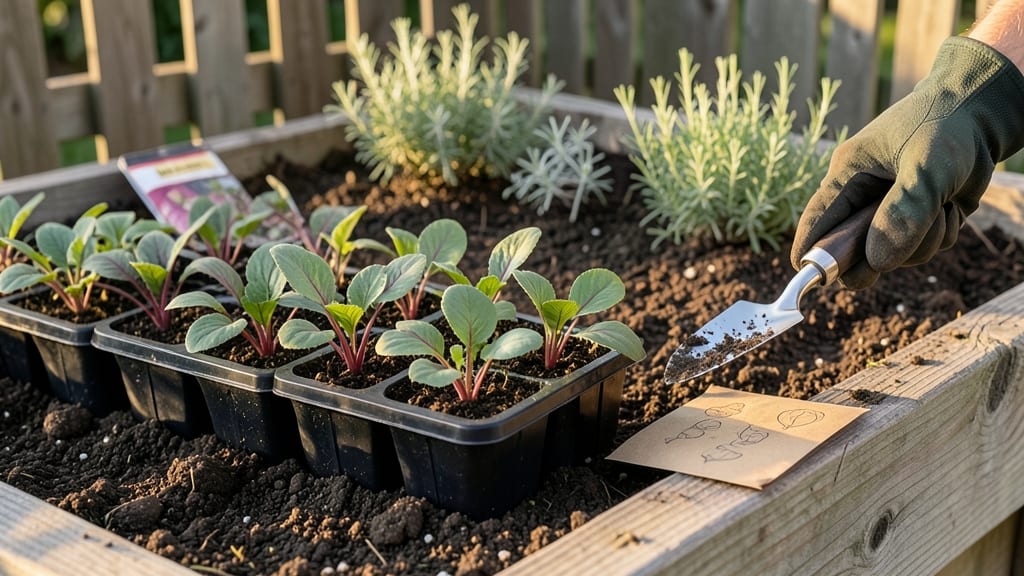
If you've ever tried planting beets in Arizona during the brutal summer heat, you know the struggle—those tender roots bolt faster than a roadrunner on a hot day.
The key to success isn't just about timing; it's about working with the desert's short cool seasons to get crisp, sweet 🍠 harvests before the temperatures rise.
Most gardeners in Zone 9b miss the mark by planting too early in summer or too late in spring, leaving them with bitter, woody roots.
But with the right schedule, you can enjoy fresh beets from November through May, avoiding both the heat and the dreaded bolting that ruins your crop.
Here's the secret: focus on planting during Arizona's two ideal windows—September to October and again in February to March. These months give your beets the perfect balance of cool temperatures and consistent moisture they crave, setting you up for a continuous harvest all winter long.
Ready to transform your garden into a beet bonanza? Let's dive into the exact planting schedule, soil prep tricks, and heat-defying strategies that'll keep your roots tender and your harvests plentiful—no matter how scorching the desert gets.
Best planting windows for Arizona beets: avoid bolting and heat stress
Arizona’s desert climate creates unique challenges for growing beets. Unlike cooler regions, frost isn’t the threat—heat stress and bolting are. Beets thrive in cool temperatures (50–70°F), so timing is everything.
Plant too early, and they’ll bolt before forming sweet roots. Too late, and the 100°F+ days turn roots woody and bitter. Here’s how to nail the perfect planting windows for your Arizona garden.
In USDA Zones 9–10, beets grow best during fall and winter. The key is to start seeds when daytime highs drop below 80°F and nighttime lows stay above 40°F.
This typically means September–October for fall crops and February–March for spring. Avoid planting in summer (May–August)—the heat will cause bolting within weeks, ruining your harvest.
Bolting (premature flowering) is the #1 enemy of Arizona beet growers. Beets detect heat stress and go to seed to reproduce, leaving you with tough, fibrous roots. To prevent this, choose heat-tolerant varieties like ‘Detroit Dark Red’ or ‘Golden’ and use shade cloth (30–50%) during peak afternoon heat. Even with these precautions, spring planting after March is risky—temperatures rise too quickly.
For continuous harvests, use succession planting every 3–4 weeks during fall. Start your first batch in late August (if soil temps are below 80°F) and follow up with September and October plantings.
This staggered approach ensures you’re always harvesting fresh beets while avoiding the heat stress of a single large planting. In winter, focus on February–March for a spring harvest before temperatures climb.
Microclimates matter in Arizona! Phoenix and Tucson (Zone 10) can handle slightly later fall plantings (through early November) than cooler high-desert areas like Flagstaff (Zone 7). Adjust your schedule based on your last frost date—though frost is rare, cool nights below 40°F can stunt growth.
Always check your local USDA Zone for precision.
Extend your harvest by mulching heavily with straw or wood chips to keep roots cool and moist. This is critical in Arizona’s dry climate, where soil can dry out quickly. Pair mulch with drip irrigation set to water early morning (before 10 AM) to prevent evaporation.
Avoid overhead watering—it can lead to fungal diseases like leaf spot, which thrives in the humid shade of beet greens.
If you’re determined to grow beets in summer, try container gardening with afternoon shade. Place pots in a spot that gets morning sun only and move them under a 30% shade cloth by 11 AM.
Use heat-tolerant varieties like ‘Burpee’s Golden’ and keep soil consistently moist. Expect smaller yields but enjoy the novelty of summer beets!
Pro tip: Harvest greens first if roots aren
How to time beet successions for continuous harvests in Arizona’s short cool seasons
Arizona’s short cool season demands a strategic approach to succession planting for beets. With the right timing, you can enjoy fresh harvests every 3-4 weeks from fall through spring. The key lies in starting seeds early and spacing out plantings to avoid bolting or heat stress.
Beets thrive in cooler temperatures (50-75°F), making September-October and February-March your prime windows. In Arizona’s USDA Zone 9b, heat is the enemy—beets bolt when stressed, turning bitter and inedible. Here’s how to stretch your harvest season with precision timing.
Step-by-Step Succession Planting for Arizona Beets
- 1 First Planting (Late August): Start seeds indoors or sow directly in well-draining soil with 1 inch of compost. Use shade cloth (30%) to protect seedlings from midday heat.
- 2 Second Planting (Mid-September): Sow another batch outdoors when soil temps drop below 80°F. Thin seedlings to 2-3 inches apart to prevent crowding and disease.
- 3 Third Planting (Early October): Plant a third batch for November harvests. Mulch with 2 inches of straw to retain moisture and regulate soil temps.
- 4 Winter Break (December-February): Pause planting during peak winter chill. Instead, focus on harvesting existing crops and prepping soil for spring succession.
- 5 Spring Revival (Late February): Restart succession with fast-maturing varieties like ‘Babybeat’ or ‘Detroit Dark Red’. Use drip irrigation to maintain consistent moisture in warming soil.
After harvesting, leave 2 inches of roots in the soil to regrow greens. These regrowth greens are edible and nutrient-rich, giving you extra harvests without replanting. Just ensure soil stays moist but not waterlogged to avoid rot.
For year-round success, pair beet successions with cool-season crops like lettuce or spinach. This maximizes garden space and extends your harvest window. Always monitor soil temps—below 40°F slows germination, while above 85°F triggers bolting.
With this 3-4 week spacing, you’ll enjoy crisp, sweet beets from October through May, even in Arizona’s desert heat. Happy planting! 🌱