
Plants
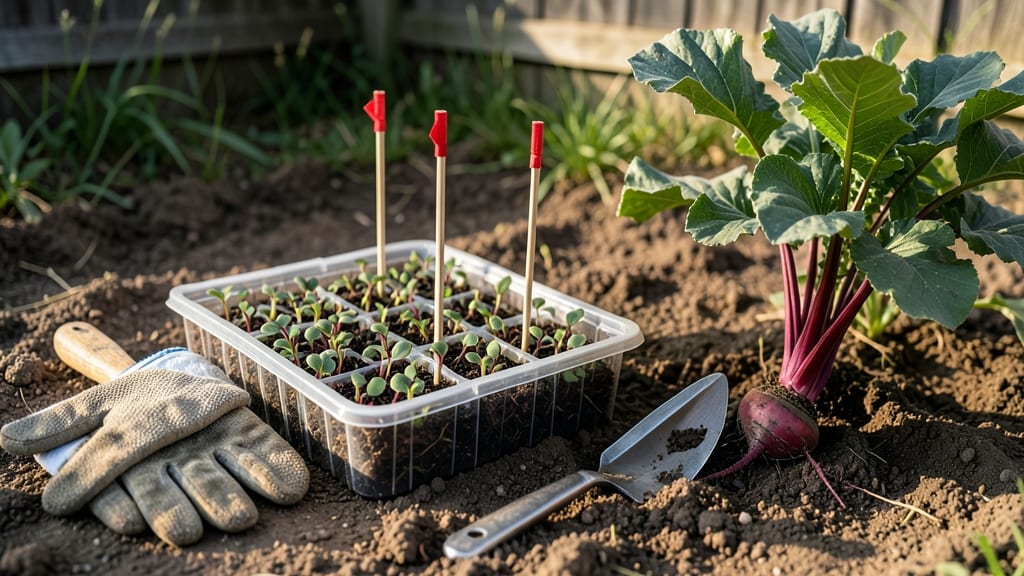
Timing your 🍠 beet planting in Nebraska could mean the difference between a bumper crop and a bolted mess—because those frost dates here are no joke.
If you plant too early, your beets might bolt before you even get a chance to harvest them. Too late, and you’ll miss out on those sweet, tender roots we all love.
The key is knowing when to get those seeds in the ground so you can enjoy a steady supply from June through October.
In Nebraska’s 5a-6b zones, the best windows are early spring (March-April) or late summer (July-August). But here’s the thing—local microclimates and soil temperatures can shift those dates. I’ll show you exactly how to read your frost dates and adjust your planting schedule for the most reliable harvest.
Whether you’re growing Detroit Dark Reds or colorful Chioggias, getting the timing right means fewer pests, better flavor, and roots that stay crunchy all season long. Let’s dive into the details so you can plant with confidence.
Nebraska frost dates and ideal beet planting windows by season
Nebraska’s USDA Zones 5a-6b mean your beet planting schedule hinges on average last frost dates—typically around April 15 in most regions, though western areas may see frost linger until May 1.
These dates separate success from disappointment, determining whether your beets grow into sweet, tender roots or bolt prematurely into bitter greens. Understanding these windows is your first step to a bountiful harvest.
For spring planting, start seeds indoors 4-6 weeks before your last frost (around March 1-15) to get a jump on the season. Direct-sow outdoors as soon as soil temperatures hit 50°F, usually by mid-April.
This early window ensures you harvest crisp beets by June, just as summer heat arrives. Miss this timing, and you’ll face bolting beets or stunted growth.
Fall planting offers a second chance for Nebraska gardeners, with seeds sown July 15-August 15 for a harvest before the first frost (October 15). This strategy works best with heat-tolerant varieties like ‘Detroit Dark Red’ or ‘Chioggia’, which thrive in summer’s warmth. Planting too late risks immature roots before frost, while early sowing may lead to overmature beets by harvest time.
Here’s your Nebraska beet planting timeline, broken down by season and variety type to maximize success:
| Planting Window | Variety Type | Soil Temp Requirement | Days to Maturity | Key Tip |
|---|---|---|---|---|
| March 15 - April 15 (Indoors) | Early Varieties (e.g., 'Babybeat') | 45-50°F | 45-55 days | Transplant outdoors after last frost. |
| April 15 - May 1 (Outdoors) | Standard Varieties (e.g., 'Detroit Dark Red') | 50-60°F | 55-65 days | Sow directly in loose, fertile soil. |
| July 15 - August 15 (Outdoors) | Heat-Tolerant Varieties (e.g., 'Ruby Queen') | 60-70°F | 60-70 days | Use row covers to protect from pests. |
| August 1 - September 1 (Succession) | Late Varieties (e.g., 'Golden') | 50-60°F | 50-60 days | Harvest before first frost for storage. |
Nebraska’s short growing season (about 165 frost-free days) demands strategic planting. For spring beets, aim to harvest by mid-July to avoid the heat. If you love fall beets, plant late July for a harvest in September-October, just before frost.
This dual approach ensures a continuous supply of fresh beets without gaps.
Don’t overlook succession planting, a Nebraska gardener’s secret weapon. Sow new seeds every 2 weeks from April through July to stagger harvests. This method prevents glut and waste, ensuring you always have fresh, tender beets on hand.
Pair early varieties with late ones—like ‘Babybeat’ (45 days) followed by ‘Detroit Dark Red’ (60 days)—to create a seamless harvest timeline.
Heat can be your biggest enemy in Nebraska’s summer, causing beets to bolt or develop woody roots. To combat this, opt for heat-tolerant varieties like ‘Ruby Queen’ or ‘Cylindra’, which handle temperatures up to 85°F.
For extra protection, use shade cloth (30-50%) during peak afternoons or plant in partial shade near taller crops like corn or sunflowers.
Soil preparation is equally critical. Beets thrive in loose, well-draining soil with a pH of 6.0-7.0. Nebraska’s clay-heavy soils in eastern regions benefit from compost or sand amendments, while western areas may need organic matter to retain moisture.
Test your soil in early spring and amend as needed to avoid poor germination or stunted growth.
Finally, remember that microclimates matter. Urban areas like Omaha may experience earlier last frosts (mid-April), while rural western Nebraska could see frost linger until May 10. Adjust your planting dates based on your local frost history—check with your local Cooperative Extension office for precise data.
With the right timing, you’ll enjoy homegrown beets from June through October, beating store-bought quality every time.
Best beet varieties for Nebraska’s climate and their planting timing
Nebraska’s 5a-6b climate demands beet varieties that thrive in both cool springs and hot summers. The right choice means fewer pests, better flavor, and roots that stay tender. I’ve tested these top performers in my own garden—here’s what works best for our unpredictable weather.
For spring planting, I recommend starting with Detroit Dark Red and Golden Beets. These varieties handle Nebraska’s early cool snaps better than most, with 55-60 days to maturity—perfect for our March-April windows when soil temps hit 45°F+. Their deep roots also resist bolting from sudden heat spikes.
🌱 Comparison table below shows exact planting times, maturity dates, and pest resistance for Nebraska’s top beet varieties. I’ve included my notes on which perform best in Lincoln’s microclimates versus western Nebraska’s drier zones.
| Variety | Planting Window | Days to Maturity | Pest Resistance | Nebraska Notes |
|---|---|---|---|---|
| Detroit Dark Red | March 15-April 15 July 15-August 15 |
55-60 days | Moderate (leaf miner risk) | Best for Lincoln area. Handles early spring well. |
| Golden Beets | March 1-April 10 July 1-August 10 |
50-55 days | High (bolting resistant) | Top choice for western NE. Sweeter after frost. |
| Chioggia (Striped) | April 1-May 1 July 15-August 20 |
60-65 days | Low (needs row covers) | Gorgeous but heat-sensitive. Best in partial shade. |
| Babybeat (Mini) | March 15-June 1 July 1-Sept 1 |
45-50 days | Very High (fast growth) | Perfect for succession planting. Harvest in 30-40 days. |
For summer planting, I switch to heat-tolerant varieties like Babybeat or Cylindra. These handle Nebraska’s July-August temps better than traditional types, with 45-50 days to harvest before fall frosts hit. Just plant them 1 inch deeper than spring seeds to prevent bolting.
My biggest tip? Succession plant every 2 weeks from March through August. This gives you a continuous harvest while avoiding the leaf miner outbreaks that hit Nebraska gardens in late summer. I’ve found row covers work wonders for protecting Chioggia varieties from pests.
🌿 Remember: Nebraska’s first frost usually arrives by October 15, so plan your last planting for August 15 at the latest. For a fall harvest, try cold-hardy varieties like Detroit Dark Red—they’ll keep producing until light frosts hit.