
Plants
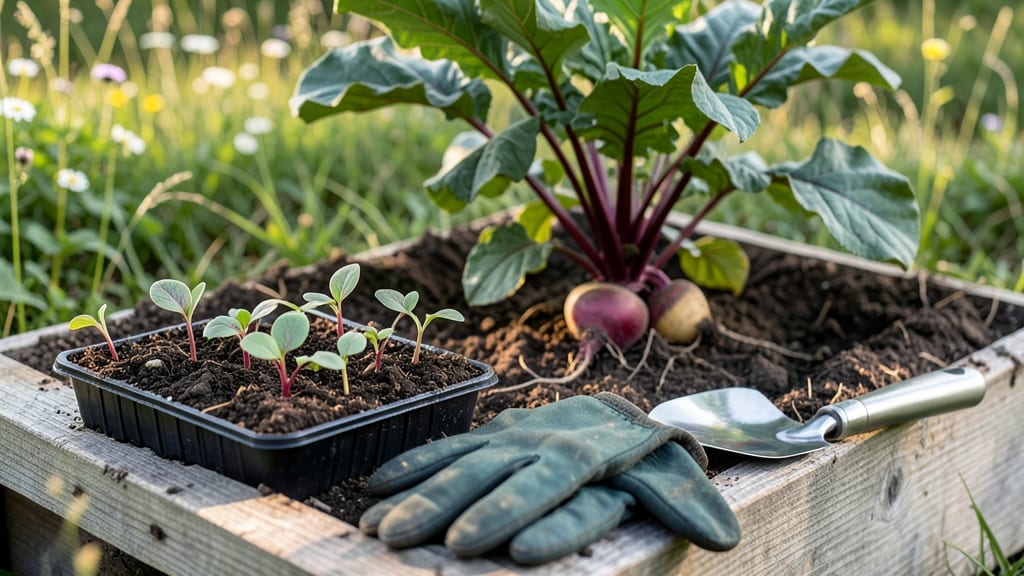
Planting beets in Louisiana’s Heat Zone 9a isn’t just about timing—it’s about outsmarting the humidity and heat to grow those sweet, crisp roots you crave. Skip the wrong window, and you’ll end up with bitter, woody beets or ones that bolt before you can harvest.
The key? Knowing exactly when to tuck those seeds into the soil for a flavorful harvest all season long.
Most gardeners in Louisiana swear by fall planting as their best bet, but spring has its own advantages if you play it right. We’re talking September-October for fall crops and February-March for spring, with soil temps and frost dates that actually work in your favor.
Let’s break down the perfect schedule so you can avoid the common pitfalls that turn your beets into a sad, wilty mess.
What happens when you plant too early or too late? In Louisiana’s climate, beets can bolt faster than you can say “🍠,” or they’ll wilt under the midday sun if you’re not careful.
I’ve tested the timing myself, and the difference between a crisp harvest and a disappointing one comes down to a few simple adjustments. Ready to learn the exact windows—and how to tweak them for your specific corner of the state?
From soil prep to shade strategies, I’ll walk you through everything you need to know to grow beets that are tender, sweet, and ready to harvest by November-December or May-June. No more guessing—just proven tips for Louisiana gardeners who want beets that actually taste like beets.
Best planting windows for beets in Louisiana heat zone 9a
Beets thrive in Louisiana’s mild fall temperatures but struggle with summer heat and humidity. The primary planting window is late summer to early fall, while a secondary window exists in early spring. Timing these correctly ensures crisp, sweet roots instead of bitter or bolted greens.
Louisiana’s Heat Zone 9a has an average last frost date of February 15 and first frost around December 1. Beets prefer soil temperatures between 50°F and 85°F, making fall the ideal season. Spring plantings must start early to avoid heat stress before harvest.
Here’s your seasonal planting guide for Louisiana, including temperature thresholds and month-by-month actions:
| Season | Planting Window | Ideal Soil Temp (°F) | Key Actions | Harvest Window |
|---|---|---|---|---|
| Fall (Primary) | Late August - Early October | 50°F - 75°F | Direct sow seeds ½" deep; thin seedlings to 3-4" apart | October - December |
| Spring (Secondary) | February - Early March | 50°F - 65°F | Start seeds indoors 4-6 weeks before last frost; transplant after soil warms | April - May |
| Summer (Risky) | June - July (with caution) | 75°F - 85°F (max) | Use shade cloth; plant in late afternoon; prioritize quick-maturing varieties | August - September (small harvests) |
For fall plantings, begin in late August when soil temperatures drop below 85°F. This gives beets 6-8 weeks to mature before winter chill sets in. Varieties like 'Detroit Dark Red' and 'Golden' tolerate cooler temps well.
Spring plantings should start in February for a May harvest. Use row covers if nights dip below 40°F to protect young seedlings. Avoid planting after March 15, as summer heat will cause bolting.
Summer plantings are high-risk but possible with shade cloth and daily watering. Choose heat-tolerant varieties like 'Ruby Queen' and plant in late June for a September harvest before humidity peaks.
Monitor soil moisture closely in Louisiana’s humidity—beets need 1 inch of water weekly but hate soggy soil. Mulch with straw to retain moisture and prevent bolting during dry spells.
Extend your harvest by planting succession crops every 2 weeks in fall. This ensures a steady supply of tender beets from October through December before frost.
Always test your soil pH (aim for 6.0-7.0compost before planting. Louisiana’s clay-heavy soils benefit from organic matter to improve drainage.
With these seasonal windows, you’ll enjoy homegrown beets all year—from crisp spring harvests to hearty winter roots. Happy planting! 🌱
How to adjust planting for Louisiana’s microclimates
Louisiana’s diverse microclimates—from steamy urban gardens to coastal breezes—can drastically impact your beet harvests. Urban areas like New Orleans often trap heat, while coastal regions face salt spray and humidity.
Adjusting your planting strategy ensures crisp roots and avoids bolting or heat stress. Start by testing your soil’s pH (6.0-7.0 ideal)** for beets and amend with compost to improve drainage.
In high-heat urban zones, opt for shade cloth (30-50%) during peak afternoon sun (12 PM–4 PM). This protects seedlings while allowing 6+ hours of morning sunlight they need.
Coastal gardeners should raise beds slightly to prevent waterlogging from salt-laden rains. Always use well-draining soil mixes with 20-30% perlite or sand.
🌱 Pro Tip for Microclimates
Urban Heat? Plant beets in late September for fall harvests. Coastal Areas? Use drip irrigation to avoid salt buildup. All Regions: Mulch with straw (2-3 inches) to retain moisture and cool soil.
For extended harvests, succession plant every 2-3 weeks in fall (September–November). In cooler microclimates (like north Louisiana), you can even try a winter crop under row covers for January–February harvests. Always harden off seedlings by gradually exposing them to wind if growing near coastal breezes.
Monitor soil temperature—beets thrive when soil stays between 55°F–75°F. Use a soil thermometer to avoid planting when temps exceed 85°F, which causes bolting. In urban heat islands, consider container growing with black plastic mulch to warm soil faster in spring.
Adjust watering based on your microclimate: Urban areas need daily shallow watering in summer, while coastal zones benefit from deep weekly watering to flush out salt. Always water at soil level, not leaves, to prevent fungal diseases like leaf spot.
With these adjustments, you’ll harvest sweet, crisp beets year-round in Louisiana’s varied climates—whether you’re in humid New Orleans or breezy Lake Charles. Start small, observe your microclimate’s quirks, and refine your approach each season for bountiful results! 🌿