
Plants
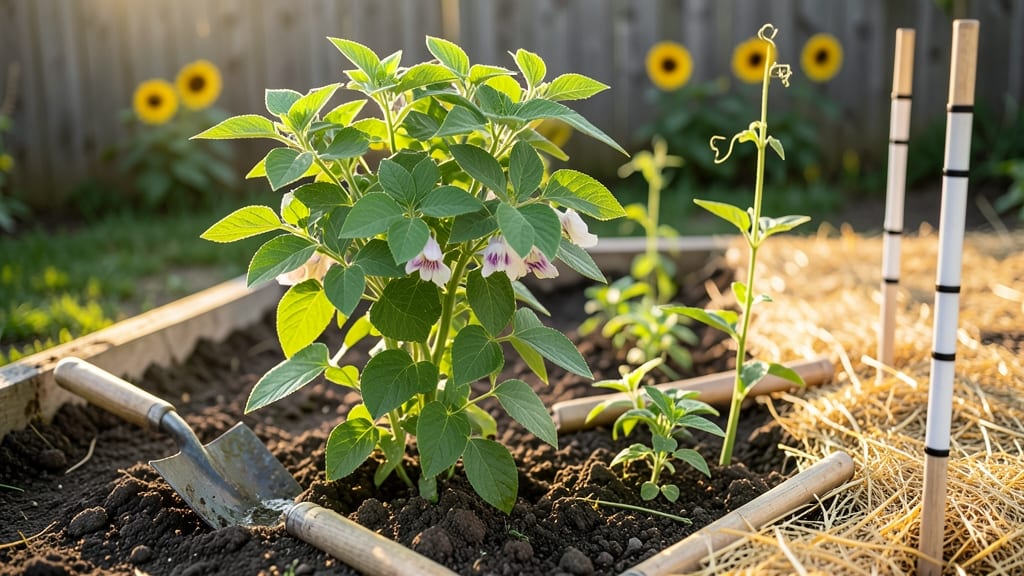
Planting beans in Indiana at the wrong time can turn your garden dreams into a sad, wilted mess—especially when those tender 🌱 seedlings meet an unexpected frost.
The key to a thriving harvest lies in knowing exactly when to pop those seeds in the ground, whether you're growing bush beans or climbing pole varieties.
Indiana’s 5b-6b climate gives you two prime windows: spring (April 15–June 1) and fall (August 1–September 1). But here’s the catch—skipping soil temperature checks or ignoring last frost dates (usually around April 15) can leave your beans struggling.
Let me show you how to time it perfectly for maximum yield, no matter where you are in the state.
We’ll break down the exact dates for both bush and pole beans, plus smart tricks to handle Indiana’s unpredictable weather. From pre-sprouting seeds for cooler springs to adjusting for northern vs. southern Indiana microclimates, you’ll learn how to turn unreliable conditions into a garden success story.
Ready to grow beans that thrive? Let’s dive into the perfect planting schedule—so you can enjoy fresh-picked pods from June through October without the guesswork.
Indiana bean planting calendar: exact dates for bush & pole varieties
Indiana’s USDA zones 5b-6b create a unique challenge for gardeners—soil warms slowly, and late frosts can linger well into May. For bush beans and pole beans, timing your planting to avoid these risks while maximizing the 165 frost-free days is key to a productive harvest.
I’ve tested these schedules for years in my own garden, and they’ve consistently delivered the best results.
Beans thrive when soil temperatures hit 60°F or warmer, which typically occurs 2-3 weeks after Indiana’s average last frost date (April 15).
However, cooler northern Indiana regions (like zone 5b) may need to wait until May 1, while southern areas (like zone 6b) can start as early as April 20. Always check your local Indiana State Climate Office for real-time updates.
Pro Tip: Use a soil thermometer to confirm readiness—60°F at 2 inches deep is your green light. If temperatures fluctuate, opt for cold-tolerant varieties like ‘Provider’ or ‘Blue Lake’ to give yourself a buffer.
For pole beans, which take longer to mature (60–70 days), I recommend focusing on the May 1–10 window. These varieties need strong trellises or stakes (at least 6 feet tall) to support their vines.
In my garden, I’ve found that ‘Kentucky Wonder’ pole beans planted in early May produce pods until late September, giving me a 4-month harvest window.
If you’re growing bush beans, which mature faster (50–60 days), you can extend your planting into late May. This strategy works well for succession planting—sow new seeds every 2 weeks to ensure a steady supply of fresh pods.
My favorite late-season variety, ‘Tendercrop’, thrives even when soil temperatures hit 75°F+, making it perfect for Indiana’s summer heat.
Don’t overlook fall planting! Indiana’s second planting window (August 1–15) is ideal for pole beans, which can still produce a small harvest before frost. Use black plastic mulch to warm the soil and row covers to extend the season by 2–3 weeks.
I’ve harvested ‘Blue Lake’ beans as late as October 1 using this method.
Critical Mistake to Avoid: Planting beans too early in cold soil (below 55°F) causes seeds to rot. Always wait for consistent warmth—even if it means delaying until mid-May. In 2022’s late spring, I lost my entire April-planted batch to a May 5 frost, but my May 15 planting thrived.
For container gardening, use 5-gallon pots and plant 2–3 bush bean seeds per container. These can be moved to sheltered porches or greenhouses to start earlier, then transplanted outdoors after May 10. I’ve successfully
How to adjust planting for Indiana’s unpredictable weather patterns
Indiana’s spring frosts can strike well after the average April 15 last frost date, catching even experienced gardeners off guard. I’ve learned the hard way that late-season cold snaps in May can wipe out young bean seedlings overnight.
The key is flexibility—adjusting your planting strategy based on real-time weather forecasts rather than relying solely on historical averages.
For northern Indiana (USDA Zone 5b), where frosts linger longer, I recommend starting pole beans in late May after all danger of frost has passed.
Meanwhile, bush beans, which mature faster, can tolerate slightly cooler soil and may be planted as early as mid-April in southern Indiana (Zone 6a). This regional difference can mean a 3-week planting window shift between Hoosier hills and river valleys.
🌱
⚠️ Late Frost Warning
Never plant beans before soil reaches 60°F (15°C). Use a soil thermometer—cold soil delays germination. If a frost warning appears after planting, cover seedlings with frost cloth immediately. Pole beans are more vulnerable than bush varieties.
When Indiana’s unpredictable heatwaves arrive in June, young bean plants can bolt prematurely (flower too quickly) if stressed. To prevent this, I always pre-sprout seeds indoors 7-10 days before the ideal outdoor planting date.
This gives seedlings a 2-week head start and better withstands sudden temperature swings. For fall plantings (August-September), choose short-season varieties like ‘Provider’ that mature before the first frost.
Succession planting is my secret weapon against Indiana’s variable growing seasons. Instead of one massive planting, I stagger bush beans every 2 weeks from May through June. This ensures a continuous harvest and reduces the risk of losing your entire crop to a single late frost or heatwave.
For pole beans, which take longer to establish, I limit succession plantings to two batches maximum—one in early May and another in late June.
Another trick I’ve adopted is mulching with straw immediately after planting. This insulates soil from temperature extremes, retains moisture during dry spells, and suppresses weeds. In my garden, mulched rows stay 5°F warmer at night and 3°F cooler during daytime heatwaves compared to unmulched beds.
For container-grown beans, I use black plastic pots that absorb and retain heat better than traditional clay.
Always monitor the National Weather Service’s Hoosier Forecast and your local Purdue Extension office for real-time updates. In 2022, a May snowstorm in northern Indiana delayed my plantings by 3 weeks—something no calendar could have predicted.
By combining flexible planting dates, protective covers, and succession strategies, you can turn Indiana’s weather chaos into a harvest advantage instead of a gardening nightmare.
☀️