
Plants
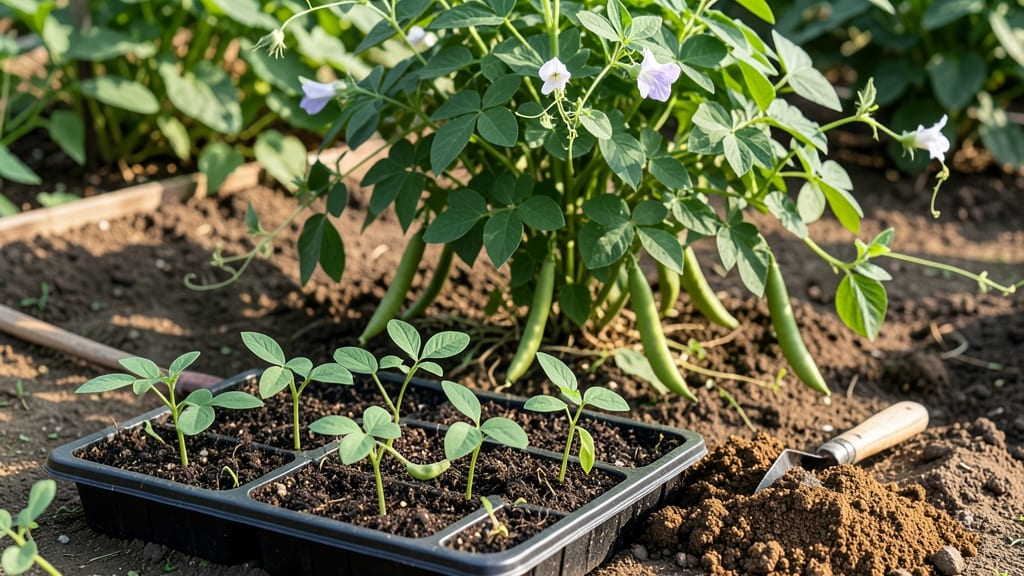
Planting beans at the wrong time in North Carolina can mean the difference between a bountiful harvest and wasted effort. With the right timing, you can enjoy fresh, homegrown 🌱 beans from late spring through fall—but get it wrong, and you’ll struggle with stunted plants or lost yields.
In Heat Zones 7b-8a, the key is knowing when to start seeds or set out transplants, whether you're growing bush beans for quick pickings or pole beans for a longer harvest.
The best windows are just after your last frost (mid-April to early June) or in late summer (August to early September) for a fall crop.
I’ve tested these timelines myself, and the results speak for themselves: consistent soil temperatures above 60°F and proper spacing make all the difference. Let me walk you through the exact steps to time your plantings perfectly for NC’s climate.
From soil prep to post-planting care, you’ll learn how to avoid common mistakes and maximize your harvest—whether you’re a beginner or a seasoned gardener. Ready to grow beans like a pro?
Best planting times for beans in NC heat zones 7b-8a (with frost-free deadlines)
North Carolina’s Heat Zones 7b-8a offer two prime windows for planting beans: early spring and late summer. These timings align with soil warming trends and frost-free periods, ensuring your beans thrive.
For spring plantings, aim for mid-April to early June, while fall plantings should occur between late August and early September.
Timing is critical because beans are heat-sensitive when young but heat-tolerant once established. Planting too early risks frost damage, while late plantings may struggle with summer heat spikes common in NC’s humid subtropical climate.
Always check your local last frost date—Raleigh averages mid-March to early April, while Charlotte sees it slightly later, around early April.
Soil temperature is just as important as air temperature. Beans need soil that’s at least 60°F (15°C) to germinate properly. Use a soil thermometer to confirm—cool soil delays germination and weakens seedlings.
In NC’s coastal regions (Zone 8a), soil warms faster than inland areas, so you can plant 1-2 weeks earlier.
For bush beans, which mature faster (50-60 days), stick to the early spring window. Pole beans, with their longer maturity (60-80 days), benefit from both spring and fall plantings.
Fall plantings give you a second harvest before winter sets in, especially in Zone 7b where first frosts arrive as early as mid-October.
🌱 PRO TIP: Use black plastic mulch in early spring to warm the soil faster and extend your planting window by 1-2 weeks. This is especially helpful in NC’s Piedmont region, where cooler nights can delay soil warming.
| Planting Window | Soil Temp Requirement | Last Frost Deadline | Best Varieties |
|---|---|---|---|
| Mid-April to early June | ≥60°F (15°C) | 2 weeks after last frost | Bush: 'Blue Lake,' 'Contender'; Pole: 'Kentucky Wonder' |
| Late August to early September | ≥65°F (18°C) | Before first frost (Oct 15-Nov 1) | Heat-tolerant: 'Black Valentine,' 'Rattlesnake' |
| Succession Plantings | ≥60°F (15°C) | Every 2-3 weeks until July | Fast-maturing: 'Provider,' 'Tendergreen' |
If you’re in western NC (Zone 7b), where nights stay cooler longer, opt for earlier-maturing varieties like 'Blue Lake' (58 days) to avoid fall frosts.
In coastal NC (Zone 8a), you can push your fall planting into early October with heat-resistant varieties like 'Black Valentine,' which handles 90°F+ temperatures better than most.
For container gardening, use black pots to absorb heat and plant 1-2 weeks later than in-ground plantings. Containers also allow you to move plants to shadier spots during peak summer heat (June-August), protecting them from wilting or flower drop.
Always monitor weather forecasts for unexpected cold snaps in spring or hurricane season (June-November), which can bring heavy rains and soil compaction. Use raised beds in these areas to improve drainage and prevent root rot, a common issue in NC’s humid climate.
By following these timing guidelines and regional adjustments, you’ll ensure your beans get off to a strong start and produce abundant, high-quality pods all season long. Happy planting! 🌱
How to extend your bean harvest season in NC (succession planting & heat tolerance tips)
North Carolina’s long growing season gives you two prime chances to grow beans—but why stop there? With smart succession planting and heat-tolerant varieties, you can stretch your harvest from spring to fall. The key is timing your plantings to avoid summer heat stress while maximizing your garden’s potential.
Start with your first planting in mid-April after the last frost, but don’t wait too long—beans thrive in 60-85°F soil. For a second harvest, plant again in late July to early August, choosing varieties that handle NC’s 90°F+ afternoons without wilting. This two-planting strategy can double your yield!
🌱
🔢 3 Pro Tips to Extend Your Bean Harvest
- Stagger plantings every 2 weeks from April to August for continuous pods. Example: Plant 10 seeds April 15, another 10 May 1, and a final batch June 15.
- Use heat-tolerant varieties like 'Contender' (bush) or 'Blue Lake' (pole). These handle NC’s summer better than standard types.
- Provide afternoon shade (30-50%) during July-August using shade cloth. This prevents blossom drop in extreme heat.
Direct sowing works best for beans—transplants struggle with root shock. But if you’re short on space, try container growing with 12-inch-deep pots. Pole beans (like 'Kentucky Wonder') save space by climbing trellises, while bush beans ('Blue Lake') thrive in tight rows.
Watch for bean rust in humid NC summers. Space plants 4-6 inches apart for airflow and water at soil level (not overhead) to prevent fungal spores from splashing onto leaves. A mulch layer (straw or grass clippings) keeps soil cool and moist.
Your last planting window opens in late August for a fall harvest. Choose quick-maturing varieties (50-55 days) like 'Provider' to beat the first frost (usually mid-October). Succession plant every 10 days until September 15 for a steady supply.
🌿