
Plants
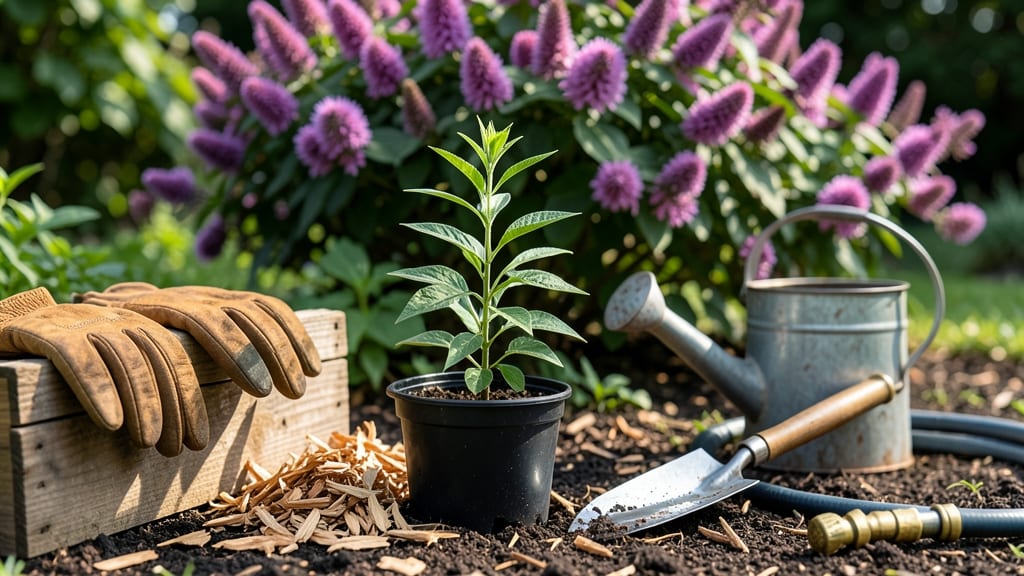
Planting your Butterfly Bush 🦋 at the wrong time in Zone 7 could mean struggling to see those vibrant blooms you love—or worse, losing your plant entirely.
The key to success isn't just waiting for spring; it's understanding when the soil warms enough to support strong root growth without risking frost damage.
Most gardeners in Zone 7 rush to plant too early, only to watch their Butterfly Bush wilt when late frosts hit. But with the right timing—typically after April 15—you can give your plant the best chance to thrive.
I’ll show you exactly how to time it perfectly, whether you’re planting in the ground or containers.
Beyond the calendar, soil temperature and location play huge roles. Zone 7’s 180 frost-free days mean you’ve got a narrow window to get it right, but don’t stress—this guide breaks down the best months, soil prep, and even how to harden off your plant for foolproof survival.
Ready to transform your garden into a pollinator paradise? Let’s dive into the secrets of planting your Butterfly Bush at the perfect moment—so you can enjoy those butterflies all season long.
Optimal butterfly bush planting windows in Zone 7: frost-free timing guide
Zone 7 gardeners know timing is everything—especially when planting butterfly bushes (Buddleia). The difference between a thriving pollinator magnet and a frost-damaged shrub often comes down to planting at the right time.
In Zone 7, where last frosts can linger into mid-April, choosing the wrong window risks stunted growth or even death.
Butterfly bushes are hardy perennials that thrive when planted after the last frost date (typically around April 15 in Zone 7). However, they also tolerate early fall planting if done before the first frost (usually October 15).
Let’s break down the best planting windows and why they work for Zone 7’s climate.
🌱 Visual Guide: Best Planting Windows in Zone 7
| Planting Window | Zone 7 Timing | Soil Temp Threshold | Frost Risk |
|---|---|---|---|
| Early Spring | Late March - Early April | 50°F+ (10°C+) | High (late frosts possible) |
| Late Spring | Mid-April - Early May | 55°F+ (13°C+) | Low (post-last frost) |
| Early Summer | June - Early July | 60°F+ (15°C+) | None (safe) |
| Early Fall | Late August - Early September | 60°F+ (15°C+) | Low (before first frost) |
For Zone 7 gardeners, the safest windows are mid-April to early May and late August to early September. Planting in late spring ensures your butterfly bush avoids late frosts while giving roots time to establish before summer heat.
Meanwhile, early fall planting allows roots to grow before winter dormancy, reducing transplant shock.
If you’re tempted to plant in February or March, be cautious—Zone 7’s late frosts can still damage tender new growth. Instead, opt for container-grown plants and harden them off before transplanting. This gives you a head start while minimizing frost risk.
Another pro tip: Monitor soil temperatures with a soil thermometer. Butterfly bushes prefer soil temps above 50°F (10°C) for optimal root growth. In Zone 7, this usually aligns with late April, but cooler microclimates (like shaded spots) may need a later start.
For container planting, timing is slightly more flexible. You can plant butterfly bushes in pots as early as March, then move them outdoors after the last frost. This strategy works well for balcony gardens or patio plantings where frost pockets are a concern.
Remember, Zone 7’s growing season spans 180 frost-free days, so even if you miss the spring window, early fall planting is still a great option. Just ensure your plant has 6-8 weeks to establish roots before the first frost hits.
Finally, avoid planting in summer (June-August) unless you’re in a cooler microclimate. The intense heat can stress young plants, slowing root development. If you must plant in summer, mulch heavily and water deeply to help your butterfly bush adjust.
By following these Zone 7-specific timing tips, you’ll set your butterfly bush up for vibrant blooms and strong growth—turning your garden into a pollinator paradise in no time. 🦋
Optimal butterfly bush planting windows in Zone 7: frost-free timing guide
Timing your Butterfly Bush 🦋 planting in Zone 7 is all about beating the last frost while giving roots time to establish before summer heat. The ideal planting window spans from mid-April to early July, but late spring (May-June) offers the safest bet for most gardeners.
Zone 7’s 180 frost-free days mean you’ve got a narrow window—plant too early, and late frosts can damage tender new growth. Too late, and your bush may struggle to establish before summer’s intensity.
I’ve planted mine in late May for years, and it’s become my go-to timing for zero frost-related stress.
For container planting, you can extend your window slightly—March to August—since pots warm up faster and let you move plants indoors if frost threatens. Just ensure your containers have drainage holes to prevent root rot from excess moisture.
| Planting Window | Soil Temperature | Frost Risk | Best For |
|---|---|---|---|
| Mid-April to Early May | 50-55°F | High (late frosts) | Hardy varieties only |
| Late May to Early June | 60-65°F | Low | Best for most gardeners |
| July to Early August | 65-70°F | None | Container planting |
Fall planting is possible in Zone 7, but only if you plant 6-8 weeks before your first frost (mid-October). This gives roots time to establish before winter dormancy. I’ve had success with early September plantings, but they require extra care—mulching heavily and watering consistently.
Always check your local last frost date (Zone 7 averages April 15) and monitor soil temps with a thermometer. Aim for 60°F+ soil—this ensures roots grow actively rather than sitting dormant. Pro tip: Plant on a cloudy day to reduce transplant shock.
For container-grown plants, you can push the envelope slightly—March or August plantings work if you’re prepared to move them indoors during cold snaps. Just ensure your pots are large enough (at least 15-gallon size) to support root growth.