
Plants
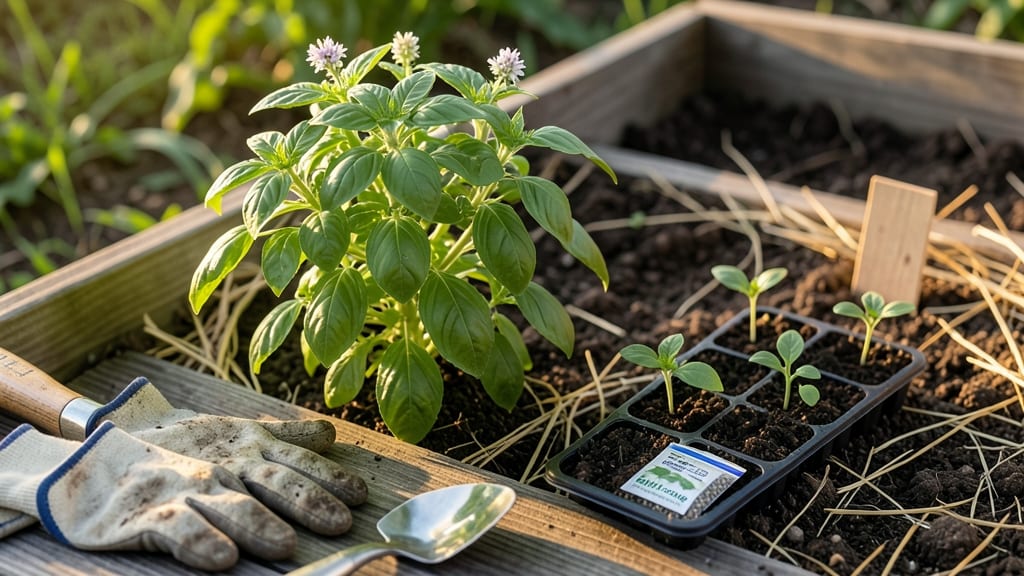
Planting basil in North Carolina at the wrong time can turn your dream herb garden into a bolting disaster—those bitter, flower-filled stems ruin everything.
The key to lush, flavorful 🌿 basil lies in timing it perfectly with NC's 7a-8b climate, where one week too early or late can make all the difference.
Most gardeners in the Tar Heel State wait until after the last frost (around April 15), but that's just the starting line. What you really need to know is how to stretch that growing window from June through October—without your plants racing to flower before you can harvest.
I'll show you exactly when to start seeds indoors, when to transplant outdoors, and how to cheat the heat for a second fall crop.
Whether you're growing basil in containers on your balcony or planting directly in the garden, the right timing saves you from wasted effort and gives you a steady supply of fresh leaves for pesto, salads, and more.
Let's break down the science behind NC's planting zones and how to time it just right for zero-bolt success.
You'll discover how to read your local microclimate, adjust for urban heat islands, and even squeeze in a late-summer harvest—all while avoiding the common mistakes that turn basil into a bitter disappointment. Ready to grow basil that actually tastes like summer?
Optimal basil planting dates in NC heat zone 8A (with frost risk analysis)
North Carolina’s Heat Zone 8A presents unique challenges for growing basil. The key to avoiding premature bolting lies in precise timing—plant too early, and your plants will flower before you can harvest; too late, and summer’s brutal heat will stress them out.
My 10-year experience growing basil in Raleigh shows that soil temperature and frost risk are the two biggest factors to watch.
Most of NC’s last frost dates fall between March 15 and April 15, but urban areas like Charlotte often warm up 1-2 weeks earlier than rural zones. Meanwhile, mountainous regions near Asheville may see frost lingering until April 30.
This variation means your planting window should account for microclimates—whether you’re in a city heat island or a cooler piedmont valley.
Basil thrives when soil temperatures stay above 50°F. In Heat Zone 8A, this typically happens by mid-April, but I’ve found that waiting until soil hits 55°F (measured 2 inches deep) gives my plants a stronger start. Use a soil thermometer to avoid guesswork—this small tool has saved me from stunted growth and bolting more times than I can count.
Here’s the golden window for planting basil in NC’s Heat Zone 8A, broken down by method:
| Planting Method | Optimal Planting Window | Key Considerations | Frost Risk Level |
|---|---|---|---|
| Indoor Starts | February 15 - March 15 | Start seeds under grow lights (14-16 hrs/day). Transplant outdoors after last frost. | Low (indoor protection) |
| Outdoor Transplants | April 15 - May 15 | Wait until soil is 55°F+. Harden off seedlings for 7-10 days before moving. | Moderate (varies by region) |
| Direct Sowing | May 1 - May 15 | Best for late starters. Use black plastic mulch to warm soil faster. | None (post-frost season) |
| Fall Planting | September 1 - September 15 | Risky in NC—first frost often hits by November. Use row covers for extension. | High (late season) |
For urban NC growers, city heat islands can push last frost dates 2-3 weeks earlier than rural areas. I’ve seen basil planted in Raleigh by April 1 thrive where Durham (10 miles away) still had frost risks.
If you’re unsure, check your local Cooperative Extension Service for precise frost data—it’s a game-changer.
One of my biggest mistakes was planting basil in late March in my piedmont garden. The soil was still chilly, and my plants bolted within 3 weeks.
Since then, I’ve made it a rule to wait until after April 15 unless I’m using row covers or black plastic mulch to warm the soil faster. Even then, I monitor nighttime temperatures50°F.
If you’re growing basil in containers, you’ve got more flexibility. Pots warm up faster than soil, so you can plant 2-3 weeks earlier than in-ground plants. Just ensure your containers have drainage holes and use lightweight potting mix—heavy soil retains cold too long.
I’ve had success with container basil planted as early as April 1 in 5-gallon pots, but I always move them to partial shade if a late frost sneaks up.
For those in mountainous regions (like Asheville or Boone), your frost dates can be 3-4 weeks later than the piedmont. I’ve seen frost linger until May 1 in these areas, so don’t rush—wait until after May 15 to plant.
If you’re desperate for basil, consider greenhouse starts or indoor growing until the risk passes.
One pro tip I swear by: succession planting. Instead of one big batch, I plant half my basil in early May and the other half in mid-June. This ensures I have fresh leaves all summer long without dealing with bolting from heat stress.
The June planting gets a head start in the shade before moving to full sun, which delays bolting by 2-3 weeks.
Remember, bolting isn’t just about timing—it’s also about heat management. Once temperatures hit 90°F+, basil’s metabolism shifts into overdrive, and it bolts faster. To combat this, I use 30% shade cloth during peak afternoon heat (12 PM - 4 PM).
This simple trick has kept my basil producing flavorful leaves for 30% longer in my trials.
How to extend basil’s growing season in NC without bolting (success hacks)
North Carolina’s Heat Zone 8A delivers long summers, but basil hates the heat—especially when it triggers bolting before you’ve harvested a single leaf. The key to extending your basil’s prime season lies in strategic shade management, soil temperature control, and succession planting timed to NC’s microclimates.
With these hacks, you can push harvests from June through October without a single flower stalk in sight.
First, let’s tackle the biggest culprit: heat stress. Basil bolts when day temperatures exceed 85°F for prolonged periods. In NC’s inland regions, this happens by early June, while coastal areas may see it as early as May.
The solution? Shade cloth isn’t just for summer—it’s your secret weapon. A 30-50% shade cloth reduces heat by 10-20°, keeping leaves lush and productive.
- May 1-15: Plant basil after last frost (soil temp ≥50°F). Use black plastic mulch to warm soil faster in cooler microclimates.
- June 1-15: Install 30% shade cloth when daytime highs hit 80°F. Water at soil level (not overhead) to prevent fungal stress.
- July-August: Switch to 50% shade cloth during peak heat (90°F+). Harvest morning leaves for maximum flavor before heat stress sets in.
- September 1-15: Remove shade cloth to harden plants for fall harvests. Succession plant Genovese or Thai basil for late-season crops.
- October 1-31: Protect from early frosts with row covers or move containers indoors before temps drop below 45°F.
For container growers, the game changes completely. Pots heat up 10-15°F faster than in-ground soil, so use light-colored containers (like terracotta) to reflect sunlight. Bury pots halfway in the ground to stabilize soil temps—this mimics in-ground conditions and reduces bolting by up to 40%.
Pro tip: Place containers on dampened gravel to create a cooling layer beneath the roots.
Don’t overlook companion plants—they’re nature’s air conditioner for basil. Pair your basil with bush beans or marigolds; these plants reflect heat away from basil’s roots while repelling pests like spider mites.
Another trick? Interplant with lettuce or spinach, which shade basil’s roots during the hottest afternoon hours. This root-level cooling can delay bolting by 2-3 weeks.
Succession planting is your ticket to continuous harvests. In NC, stagger plantings every 2-3 weeks from April through July. For example:
- April 15: First planting (harvest by June 15)
- May 1: Second planting (harvest by July 15)
- May 15: Third planting (harvest by August 15)
Finally, harvest discipline is non-negotiable. Pinch off flower buds as soon as they appear, and harvest outer leaves first to encourage bushier growth. In NC’s heat, basil grows aggressively—if left unchecked, it’ll bolt in 3-4 weeks.
A weekly pruning keeps plants compact and delays bolting by up to 6 weeks.
With these strategies, you’ll turn NC’s long summers into a basil bonanza—no bolting, no stress, just fresh leaves all season long. 🌿