
Plants
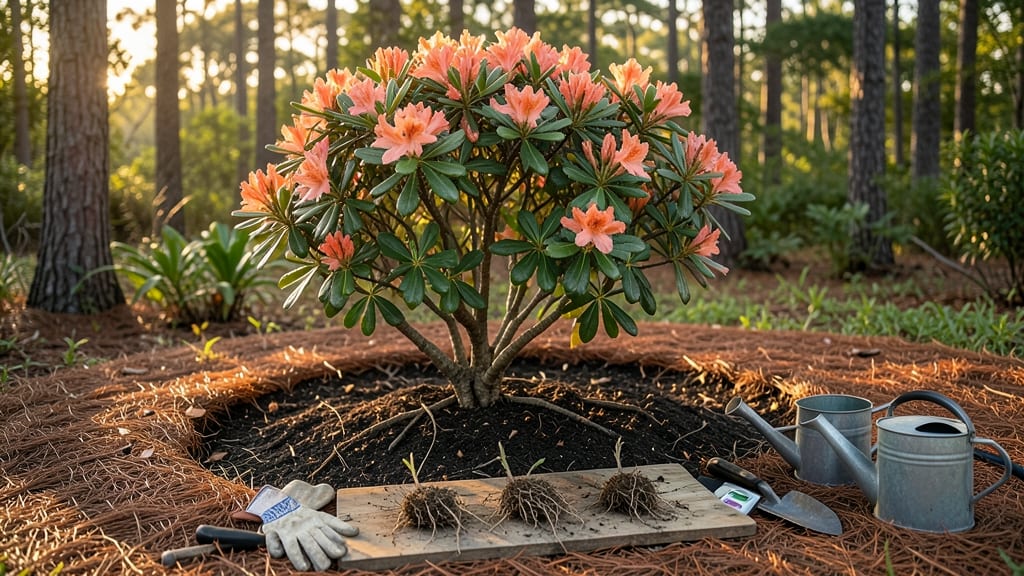
Planting azaleas in Florida at the wrong time can turn your dream garden into a disappointing mess—fewer blooms, stunted growth, or even plant failure. With 9a-11 zones and year-round warmth, timing is everything for these 🌸 beauties to thrive.
Most gardeners assume spring is the only option, but Florida’s climate actually works better with fall planting. The cooler temperatures and higher humidity give young roots the perfect start, while early spring offers a second chance for those who missed the fall window.
Whether you’re in coastal humidity or inland heat, I’ll break down the exact months that work best for your region. You’ll learn how to avoid common mistakes like planting too early or ignoring soil acidity—key factors that make or break your azaleas.
Ready to transform your yard into a vibrant display of blooms? Let’s dive into the secrets of planting azaleas at the ideal time for Florida’s unique growing conditions.
Best planting months for azaleas in Florida by region (coastal vs inland)
Florida’s azaleas thrive year-round, but the perfect planting window depends on whether you live in coastal humidity or inland heat. Coastal areas like Miami or Tampa have milder winters, while inland cities like Orlando or Gainesville experience more dramatic temperature swings.
Planting at the wrong time can stress your azaleas, leading to poor root establishment or even death.
For coastal Florida, the best time to plant azaleas is during the fall months (September–November), when temperatures are warm but not scorching. Inland regions should aim for early spring (February–March) to avoid summer heat stress.
Both regions benefit from soil temperatures above 60°F, which encourages strong root growth before extreme weather sets in.
The key difference lies in humidity levels and temperature fluctuations. Coastal azaleas face higher humidity year-round, while inland azaleas must contend with hotter summers and cooler winters. Understanding these regional nuances ensures your azaleas establish roots quickly and bloom beautifully for years.
Here’s a quick comparison of the ideal planting windows for each region:
| Region | Best Planting Window | Soil Temp Requirement | Key Consideration |
|---|---|---|---|
| Coastal Florida | September–November | 60–75°F | High humidity; avoid summer heat stress |
| Inland Florida | February–March | 60–70°F | Temperature swings; cooler winters |
| Both Regions | Avoid June–August | N/A | Extreme heat causes transplant shock |
In coastal Florida, the fall planting window (September–November) aligns with the natural rainy season, which helps hydrate the soil and reduces watering demands. The soil temperature during these months stays ideal for root growth, typically between 60–75°F.
If you plant in late fall (December–January), your azaleas may struggle with cooler temperatures and higher humidity, increasing the risk of fungal diseases.
For inland Florida, early spring (February–March) is the safest time to plant azaleas. By this time, the soil has warmed enough to support root development, and the risk of late frosts (which are rare but possible in northern Florida) has passed.
Planting in late winter also gives your azaleas time to establish before the summer heat arrives, reducing stress on the plant.
One common mistake is planting azaleas in summer (June–August), regardless of region. The intense heat and dry conditions can cause severe transplant shock, stunting growth or even killing young plants.
If you must plant during summer, opt for bare-root azaleas and provide extra shade and water to help them recover.
Another critical factor is soil preparation. Azaleas thrive in acidic soil (pH 4.5–6.0). Before planting, amend your soil with peat moss or sulfur to lower the pH if needed.
In coastal areas, sandy soils may require organic matter to retain moisture, while inland clay soils benefit from sand or compost to improve drainage.
After planting, focus on consistent watering and mulching to retain soil moisture. In coastal regions, mulch helps prevent root rot from excess humidity, while in inland areas, it protects roots from temperature extremes. Avoid overwatering, as azaleas prefer well-draining soil and can suffer from waterlogged roots.
With the right timing and care, your azaleas will reward you with vibrant blooms for years to come. Whether you’re in Miami’s coastal heat or Orlando’s inland climate, following these regional guidelines ensures your azaleas thrive and flourish.
How to choose the perfect time for azaleas based on bloom season
Timing your azalea planting with their natural bloom cycle ensures vibrant flowers and strong root growth. In Florida, fall-planted azaleas typically bloom in spring, while spring-planted varieties may flower later.
Understanding these patterns helps you align planting with desired bloom seasons—whether you want early spring bursts or late-winter color.
Florida’s unpredictable weather adds complexity, but early fall (September-October) remains the gold standard for most varieties. This window allows roots to establish before summer heat, while avoiding late-summer humidity that stresses young plants.
For early bloomers, like ‘Southern Indica’, timing is even more critical—plant in late winter (February) to trigger earlier spring blooms.
For late-blooming varieties, like ‘Hino Crimson’, delay planting until late winter (February-March). These azaleas need cooler temperatures to trigger blooming, so spring planting ensures they flower in late spring rather than fading early.
If you’re in North Florida (Zone 8a-9a), watch for unexpected cold snaps—young plants may need light frost cloth protection.
Florida’s humidity and heat demand strategic adjustments. If planting in early spring (February), mulch heavily to retain moisture and water deeply every 3–4 days.
Use shade cloth during peak afternoon sun to prevent leaf scorch. For container-grown azaleas, plant in late fall to avoid summer drought stress.
Pro tip: Label your azaleas by bloom season to track performance. For example, note whether your ‘George L. Taber’ (a late spring bloomer) thrives when planted in October vs. February.
Over time, you’ll refine your localized planting schedule based on microclimate patterns—like coastal breezes delaying frost or inland heat advancing bloom times.
Remember, patience pays off. Azaleas planted at the wrong time may struggle for years to recover, while well-timed plantings reward you with decades of stunning blooms. Start with one variety, master the timing, then expand your Florida azalea collection with confidence! 🌸