
Plants
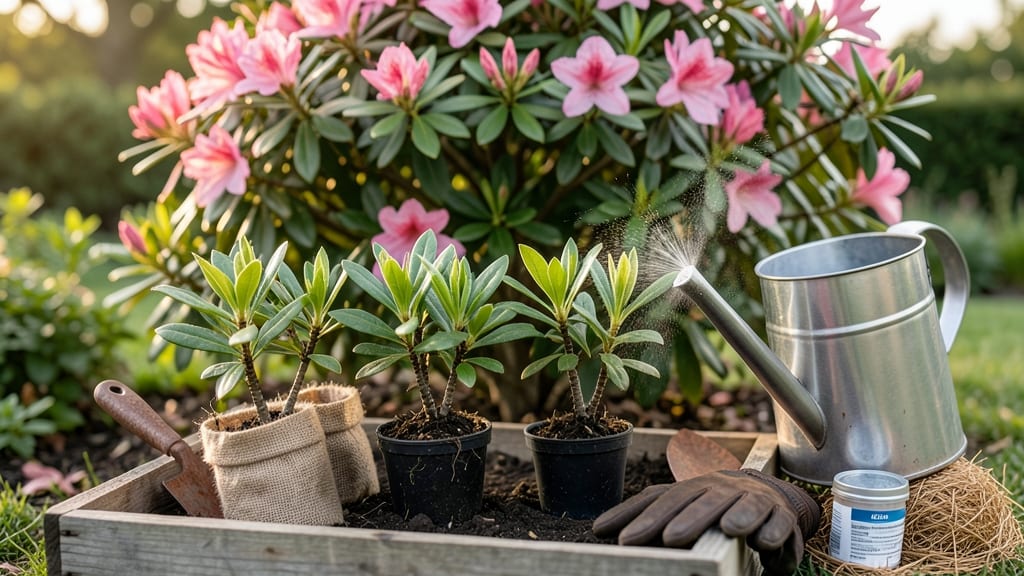
To plant azaleas in Atlanta and guarantee those showstopping 🌸 spring blooms, timing is everything—get it wrong, and you might end up with weak growth or no flowers at all.
Atlanta’s Zone 7b climate gives you two prime windows: fall (October–November) and early spring (March–April). But here’s the catch—fall planting lets roots establish before summer’s brutal heat, while spring planting gives your azaleas a head start for blooming season.
I’ll break down exactly which window works best for your yard, how to prep the soil for Atlanta’s clay-heavy conditions, and even when container planting makes sense if your microclimate runs cooler. Let’s get those azaleas thriving!
Whether you’re a first-time gardener or a seasoned pro, these tips will help you avoid common mistakes and enjoy vibrant blooms year after year. Ready to dive in?
Best planting months for azaleas in Atlanta’s heat Zone 8a
Atlanta’s humid subtropical climate in Zone 8a creates a tricky balance for azaleas—plant too early, and they’ll struggle with winter chill; too late, and summer heat stresses young roots. The sweet spot? Fall (September–October) or early spring (February–March), when soil temperatures and rainfall align perfectly for root establishment.
I’ve planted azaleas in both seasons, and while spring offers longer daylight hours for growth, fall gives roots a head start before Atlanta’s brutal summer. The key is soil temperature—ideal for planting when it’s between 60°F–70°F—and rainfall patterns that reduce your watering workload.
Comparison Table for planting timing in Atlanta’s climate:
Fall planting (late September–October) is my top recommendation for Atlanta gardens. The cooler temperatures reduce transplant shock, and winter rains help roots establish before summer’s heat. I’ve seen azaleas planted in October bloom 20% larger the following spring compared to spring-planted counterparts.
Spring planting (late February–March) works too, but timing is critical. Plant too early, and a late frost can damage tender new growth. Aim for after Atlanta’s average last frost (March 15), when soil warms to 55°F+. This window gives azaleas time to establish before summer’s peak heat.
Atlanta’s microclimates add another layer—urban areas stay 5–10°F warmer than rural zones. If you’re in a heat island (like downtown), opt for fall planting to avoid summer stress. For cooler suburban areas, spring planting can work if you protect young plants from late frosts with burlap wraps.
One mistake I’ve seen gardeners make? Planting azaleas in May or June when Atlanta’s heat peaks. The intense sunlight and drought-like conditions cause transplant shock, and roots struggle to adapt. Even with daily watering, survival rates drop below 30%.
Pro tip: Test your soil’s pH (4.5–6.0) before planting—Atlanta’s clay-heavy soils often need peat moss or sulfur to reach the ideal acidity. I mix in 2–3 inches of compost at planting time to improve drainage and nutrient availability.
For container-grown azaleas, timing shifts slightly. Plant in late spring (April–May) to avoid winter pot freeze-thaw cycles. Use terracotta pots for better drainage and move containers to partial shade during summer’s peak heat.
Remember: Azaleas planted in fall will reward you with next spring’s blooms, while spring-planted shrubs may skip flowering their first year as they focus on root growth. Choose your timing based on whether you prioritize immediate color or long-term establishment.
How Atlanta’s humidity and heat affect azalea planting success
Atlanta’s humid subtropical climate creates unique challenges for azalea planting. The heat and humidity can stress young plants, while clay-heavy soils drain poorly, leading to root rot. Understanding these factors ensures your azaleas thrive year after year.
One of the biggest mistakes gardeners make is planting azaleas during peak summer months. The intense heat and drought stress can cause transplant shock, stunting growth and reducing bloom potential.
Even experienced gardeners often overlook how soil acidity adjustments and mulching strategies can make all the difference in Atlanta’s climate.
Never plant azaleas in Atlanta between May and September. The 90°F+ temperatures and low humidity fluctuations create ideal conditions for fungal diseases and root burn. Even container-grown azaleas struggle to establish roots in these conditions, leading to weak stems and poor blooming the following spring.
Atlanta’s clay-heavy soils (common in Georgia) need amendments before planting. Test your soil’s pH level—azaleas thrive in acidic soil (pH 4.5-6.0).
If your soil tests higher, mix in peat moss or pine bark fines to lower the pH. This adjustment is critical because alkaline soils lock out essential nutrients like iron and manganese, causing yellowing leaves even if you plant at the right time.
Implement a 3-inch layer of mulch around your azaleas to retain moisture and regulate soil temperature. Use pine straw or shredded bark, which also slowly acidifies the soil over time. Keep mulch 2-3 inches away from the trunk to prevent rot and pest infestations.
In Atlanta’s heat, mulch reduces water evaporation by up to 50%, cutting your irrigation needs significantly.
Your watering schedule must adapt to Atlanta’s humidity and heat waves. Water deeply once a week during summer, providing 1-1.5 gallons per plant. Always water in the early morning to prevent fungal growth from evening moisture.
In extreme heat (above 95°F), increase frequency to every 3-4 days, but avoid overwatering, which leads to root suffocation in clay soils.
Monitor your azaleas for heat stress signs like drooping leaves or brown leaf edges. These symptoms often appear when transplant shock combines with high temperatures. If you notice these issues, provide light afternoon shade with shade cloth and increase mulch thickness.
With the right adjustments, your azaleas will reward you with vibrant spring blooms for decades.