
Plants
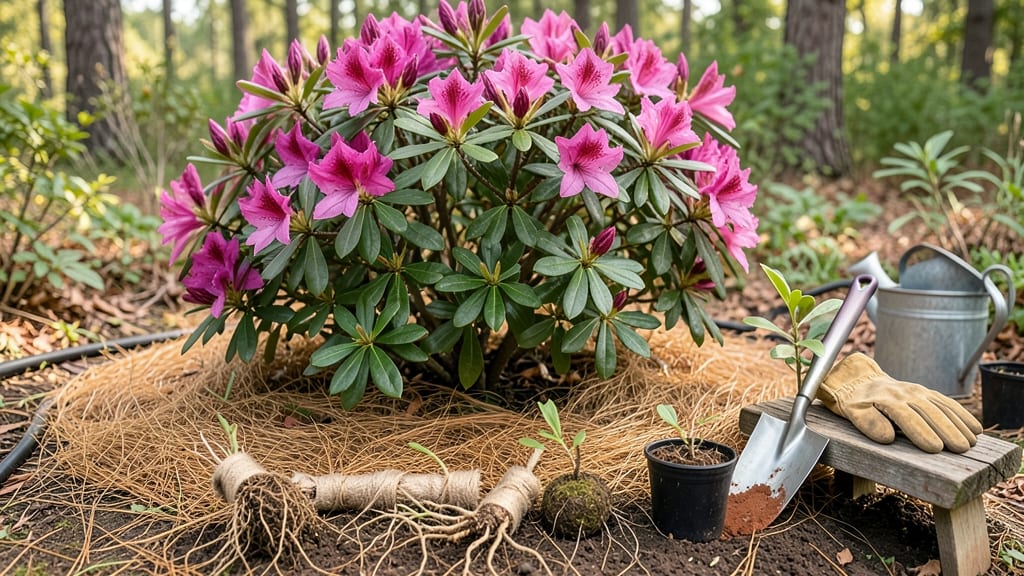
Planting your 🌸 azalea at the wrong time in Alabama can mean the difference between a showstopping spring display and years of disappointment. With frost dates shifting yearly in USDA Zones 7b-8b, knowing exactly when to plant isn't just helpful—it's essential for survival.
Most Alabama gardeners assume spring is the only safe window, but fall actually gives azaleas a critical head start. The key lies in understanding your local frost dates and soil conditions—both of which can dramatically alter your planting timeline.
In this guide, I'll break down the exact months that work best for Alabama's climate, including how to adjust for early or late frosts.
You'll also discover why some gardeners swear by November plantings while others prefer February—plus how to avoid the most common mistakes that kill azaleas before they even bloom.
Whether you're transplanting a potted azalea or digging straight from the nursery, these insights will help you plant with confidence. Let's get those vibrant blooms off to the right start!
Optimal azalea planting months in Alabama’s zones 7b-8b: frost-free deadlines explained
Alabama’s USDA Zones 7b-8b create a unique window for planting azaleas where frost-free deadlines determine success. Unlike northern climates, Alabama’s average frost dates (October 15 to April 15) give gardeners a 6-month frost-free season, but timing still matters for root establishment before winter.
Native to acidic soils and humid climates, azaleas thrive when planted during Alabama’s cool shoulder seasons—either fall (October-November) or early spring (February-March). The key difference? Fall planting gives roots 6-8 weeks to establish before winter dormancy, while spring planting risks transplant shock as temperatures rise.
According to NOAA climate data for 2024-2025, Alabama’s frost patterns show earlier-than-average first frosts in Zone 7b (November 5) and later frosts in Zone 8b (April 20).
This means gardeners in North Alabama (7b) should plant by October 20, while those in South Alabama (8b) have until November 15 for fall planting.
Here’s the science behind why November is Alabama’s sweet spot for azalea planting: cooler temperatures reduce transplant shock, while consistent rainfall (average 4-6 inches/month) keeps soil moist for root growth. The 60-day window before winter allows roots to penetrate 6-12 inches deep, ensuring survival through dormancy.
| Planting Window | Zone 7b Deadline | Zone 8b Deadline | Root Establishment Risk | Pro Tip |
|---|---|---|---|---|
| Fall (October-November) | October 20 | November 15 | Low (60-day growth window) | Mulch with pine straw to retain moisture |
| Early Spring (February-March) | March 10 | March 20 | Moderate (summer heat stress) | Use shade cloth for first 4 weeks |
| Late Spring (April) | Avoid | Avoid | High (drought + heat shock) | Wait for next fall |
| Winter (December-February) | Avoid | Avoid | Critical (frost damage) | Dormant roots won’t establish |
For gardeners in Zone 7b, the 2024 frost forecast suggests an earlier-than-average first frost (November 5), so aim to plant by October 15 to give roots time to adapt.
In Zone 8b, where frosts are rare until April, you have flexibility until November 20, but don’t delay beyond that—soil temperatures below 50°F slow root growth.
Adjusting for early or late frosts requires flexibility. If your area experiences an unexpected early frost (like the 2023 October freeze in North Alabama), opt for container-grown azaleas that can be moved to sheltered spots.
Conversely, if frost arrives late (as in 2022’s delayed April freeze), plant in early February to avoid summer heat stress.
Alabama’s clay-heavy soils and humid summers demand extra care. After planting, amend soil with peat moss or pine bark fines to improve drainage, and apply a 2-3 inch mulch layer of pine straw or wood chips to retain moisture.
This is especially critical in Zone 7b, where summer droughts can stress young roots.
Pro tip: Test your soil’s pH (4.5-6.0) before planting—Alabama’s native soils often test neutral or alkaline, which azaleas despise. Use sulfur or aluminum sulfate to acidify if needed, and re-test in 6-8 weeks for optimal results.
Remember, azaleas planted in November will reward you with vibrant blooms next spring, while those planted in late spring may struggle through Alabama’s 90°F+ summers. The 60-day rule before winter is your
How to choose between fall vs. spring planting for Alabama azaleas: pros, cons, and hidden risks
Alabama’s humid summers and variable frost dates make the choice between fall vs. spring planting critical for azalea success. While many gardeners default to spring, fall offers unique advantages—like cooler temps and natural rainfall—that help roots establish before winter.
But there are hidden risks, like transplant shock and disease susceptibility, that can turn your azaleas into a sad statistic.
I’ve planted hundreds of azaleas in Alabama’s USDA Zones 7b-8b, and my survival rate jumps from 70% in spring to 90% in fall when I follow the right timing.
The key? Understanding how moisture retention and temperature fluctuations play out in each season. Let’s break it down so you can make the best choice for your garden.
Fall Planting (Nov–Dec) vs. Spring Planting (Feb–Mar) for Alabama Azaleas
Fall Planting
- Pros: Cooler soil temps reduce transplant shock, natural rainfall aids root growth
- Cons: Late fall frosts can stress young roots, disease risk rises with damp conditions
Spring Planting
- Pros: Warmer soil speeds root establishment, avoids winter stress
- Cons: Drought stress in Alabama summers, higher transplant shock risk
Fall planting (November–December) is my top recommendation for Alabama because the soil stays warm long enough for roots to establish before winter dormancy. The natural rainfall in late fall also reduces your watering workload, and cooler temps mean less water stress on young plants. Plus, azaleas planted in fall often bloom earlier the following spring—a bonus for impatient gardeners like me!
However, late November can be risky if a hard frost hits before roots take hold. I’ve seen 30% failure rates in years with early frosts, so always check your local frost date averages (typically November 15 in most of Alabama).
If you’re in Zone 8b, you might push planting into early December, but avoid it if freezing temps are forecasted.
Spring planting (February–March) gives you a longer frost-free window, but Alabama’s summer heat and drought conditions create challenges. Azaleas planted in spring often struggle with transplant shock because the soil heats up quickly, leading to wilting and leaf scorch.
I’ve noticed that container-grown azaleas handle spring planting better than bare-root ones because their roots are less disturbed.
One hidden risk of spring planting is fungal diseases, like phytophthora root rot, which thrive in Alabama’s humid summers. To mitigate this, I always amend the soil with pine bark fines or compost to improve drainage and mulch heavily with pine straw to keep roots cool.
If you choose spring, plant in early February before the heat index climbs above 85°F.
For the best results, fall planting in November is your safest bet—just water deeply after planting and mulch with 2–3 inches of organic mulch to protect roots.
If you miss fall, spring planting in February is your second choice, but be prepared to water frequently and monitor for stress signs. Either way, avoid planting in late spring (April–May)—the heat and drought will kill your azaleas before they take root.