
Plants
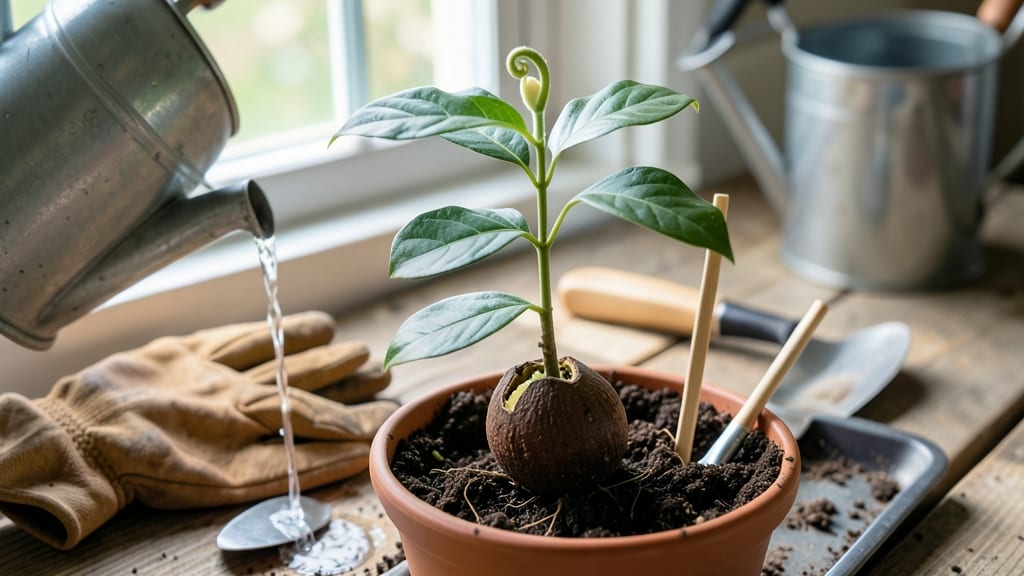
Planting an avocado seed 🥑 in dirt at the wrong time can mean the difference between a thriving sapling and a sad, rotting seed. The key to success lies in understanding your climate zone and soil temperature—because avocados are tropical divas that refuse to play nice when it's too cold.
If you're in warmer zones like USDA 8-11, spring is your golden window, but cooler regions need to wait until soil warms to 70-85°F—otherwise, your seedling will throw a tantrum (aka die).
I’ll show you exactly when to plant for fast germination, whether you’re starting indoors or going straight to the ground.
Many gardeners make the mistake of rushing the process, but patience pays off—especially when it comes to transplanting. You’ll learn the critical signs your seedling is ready for dirt (hint: it’s not just about size) and how to avoid common pitfalls like overwatering or poor drainage that kill young roots.
Ready to grow your own avocado tree? Let’s dive into the step-by-step timing that’ll give you the best shot at success, no matter where you live. Your future fruit salad starts here!
Best time of year to plant avocado seeds in dirt for germination
Timing your avocado seed planting is critical for germination success. Avocado seeds thrive in warm soil between 70-85°F, making spring the ideal season for most climates.
In USDA zones 8-11, you can plant as early as late winter, while cooler zones need to wait until after last frost—typically April-May.
For indoor pre-germination, start seeds anytime, but transition to soil when roots reach 3-4 inches. Outdoor planting should align with your local frost dates—never risk frost damage to young seedlings. Southern climates can plant year-round, but summer heat may require afternoon shade for tender young trees.
| Climate Zone | Best Planting Window | Soil Temp (°F) | Key Consideration |
|---|---|---|---|
| USDA 8-11 (Warm Climates) | Late Winter - Early Spring (Feb-Apr) | 70-85°F | Avoid summer planting (heat stress) |
| USDA 7 (Mild Winters) | Early Spring (Mar-May) | 65-75°F | Wait for consistent 60°F nights |
| USDA 6 & Below (Cool Climates) | Late Spring (May-Jun) | 60-70°F | Start indoors 8-10 weeks before last frost |
| All Zones (Indoor Start) | Year-Round (Transition to soil in spring) | 70-75°F | Use grow lights for winter starts |
Your local climate dictates the perfect window. In USDA zones 8-11, plant seeds directly in well-draining soil as early as February for summer harvests. Cooler zones should wait until after May 15th to avoid frost. Always check soil temperature with a thermometer—below 65°F delays germination.
For indoor starts, begin seeds in water anytime, but transition to seedling mix when roots appear. Harden off seedlings for 1-2 weeks before outdoor planting. Use black plastic mulch to warm soil faster in cooler climates. This trick raises soil temps by 5-10°F for faster germination.
Never plant avocado seeds in cold, wet soil—they’ll rot before sprouting. If your area has late frosts, opt for container growing and move pots indoors during cold snaps. Southern growers can plant year-round, but summer heat above 90°F stresses young seedlings.
Test soil moisture before planting—damp but not soggy is ideal. Mix 50% potting soil with 50% perlite for perfect drainage. Avocado seeds need oxygen-rich soil to prevent rot. Plant seeds 1 inch deep with the pointy end up—this ensures proper root development.
Monitor seedlings for yellowing leaves, a sign of overwatering or poor drainage. In dry climates, water deeply every 3-4 days until established. Mulch with straw to retain moisture and regulate soil temperature. Avoid organic mulches like wood chips—they can compact and suffocate roots.
Container-grown avocados need larger pots yearly until transplanting outdoors. Choose fabric grow bags for better root aeration. If planting outdoors, select a south-facing spot with 6+ hours of sun. Avocados grow 30-40 feet tall, so plan for mature size when choosing locations.
Remember: patience is key. Germination takes 4-8 weeks in ideal conditions. Keep seeds consistently moist but never waterlogged. With the right timing and care, your avocado seed will sprout into a thriving tree in just a few months! 🌱
Step-by-step guide: when and how to transition avocado seedlings to soil
Transitioning your avocado seedling from water to dirt is a critical step that many gardeners rush—only to see their young plant wilt or fail. The key is waiting until your seedling has developed a strong root system (about 2-3 inches long) and a sturdy stem (pencil-thick or thicker).
This usually takes 4-8 weeks of water germination, depending on your climate.
I recommend checking root health by gently tugging on the seedling—if it resists, it’s ready. Never transplant a seedling with soft, mushy roots, as it’ll struggle to adapt to soil.
Instead, wait until roots are firm and white, not brown or slimy. This root strength is your best indicator of transplant success.
Before planting, prepare your soil by mixing well-draining potting mix with perlite or coconut coir (50/50 ratio) to mimic the avocado’s native tropical conditions. Avoid heavy garden soil, which can cause root rot—avocados hate soggy feet!
Choose a pot with drainage holes if starting in containers, or a raised bed for in-ground planting.
🌱 Step-by-Step Transplant Process
- Step 1: Fill your pot/bed with moistened soil mix, leaving 1 inch empty at the top.
- Step 2: Gently remove the seedling from water, shaking off excess moisture.
- Step 3: Plant at the same depth it was in water—burying too deep can suffocate the stem.
- Step 4: Firm soil lightly around the base and water thoroughly to eliminate air pockets.
- Step 5: Place in bright indirect light for 1 week to reduce transplant shock.
After transplanting, keep your seedling in bright, indirect light for the first week to minimize stress. Gradually introduce it to direct sunlight over 7-10 days—too much sun too soon can scorch young leaves.
Water deeply every 5-7 days, ensuring the top inch of soil dries out between waterings to prevent fungal issues.
Watch for signs of transplant shock, like yellowing leaves or wilting, which often occur if roots were disturbed too much. If this happens, trim any damaged roots, repot if needed, and increase humidity with a plastic bag (remove after 3 days).
With patience, your seedling will establish itself in soil within 2-4 weeks.
Pro tip: If you’re in a cooler climate (USDA zones 6-7), delay outdoor planting until after the last frost and soil temps reach 65°F+. Use a heat mat or grow light indoors until spring. Your avocado’s long-term success depends on this timing precision—don’t skip it!