
Plants
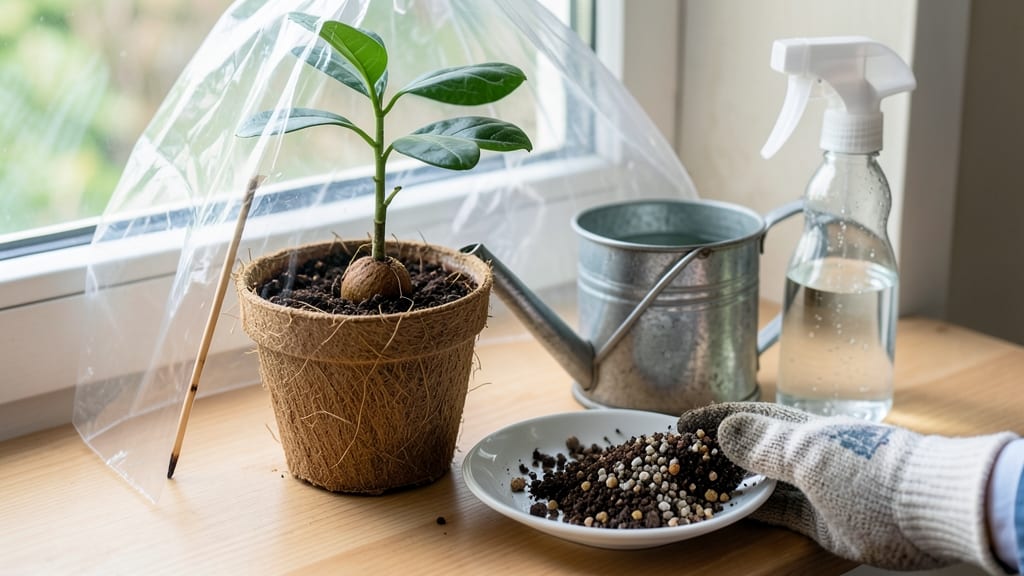
Planting an avocado seed in soil at the wrong time can mean the difference between a thriving 🥑 Avocado Tree and a sad, moldy mess.
The key to success lies in understanding when to start—whether you're working indoors or outdoors—so your seed doesn’t rot or dry out before it even gets a chance to sprout.
Most gardeners in USDA Zone 6a should aim for late spring, after the last frost, when soil temperatures hover around 70°F. This timing ensures your seedling has the warmth it needs to germinate without risking frost damage.
But if you're starting indoors, you can begin as early as February to give your plant a head start.
I’ve learned the hard way that rushing the process—planting too early in cool soil—can lead to slow or failed germination. The solution? Soak your seed for 2-4 days before planting and use well-draining soil to keep moisture just right.
Let me walk you through the exact steps to set your avocado seed up for a 90% success rate.
From monitoring humidity to knowing when to transplant, this guide covers everything you need to avoid common mistakes. Whether you're a beginner or a seasoned gardener, these tricks will help your 🥑 Avocado Tree grow strong from day one.
Best time to plant avocado seeds in soil for fast germination
Timing your avocado seed planting is the secret to avoiding mold and delayed sprouting. Avocado seeds thrive in warm soil between 70°F and 85°F, making late spring the ideal window in most climates.
Planting too early risks rot from cold soil, while waiting too late can dry out your seed before roots form.
For indoor germination, you can start as early as February using a glass jar method, but transferring to soil should happen by March once roots reach 2-3 inches.
Outdoor planting in garden beds waits until after your last frost date, typically April or May in most USDA zones.
Your soil temperature and moisture balance are critical. Use a soil thermometer to confirm warmth—avocado seeds won’t sprout below 65°F. If your climate has cool springs, opt for container growing near a sunny window to control conditions.
| Condition | Ideal Specification | Best Time to Plant |
|---|---|---|
| Soil Temperature | 70°F–85°F (21°C–29°C) | Late spring (after frost) |
| Humidity Level | 70%–80% | Indoor (use plastic wrap) |
| Sunlight Exposure | 6+ hours direct light | South-facing window/outdoor |
| Soil Type | Well-draining, sandy loam | Mix with perlite |
| Moisture Level | Consistently damp (not soggy) | Water when top inch dries |
Before planting, prep your seed by soaking it for 2–4 days in water to soften the outer shell. This mimics natural rainfall conditions and speeds up root emergence.
Once soaked, place the seed in a jar with toothpicks or a rock to keep it upright in water until roots appear.
When roots reach 2–3 inches, it’s time to transition to soil. Use a lightweight potting mix blended with perlite or vermiculite to prevent compaction. Fill a pot with drainage holes and plant the seed 1–2 inches deep, burying only the root section—not the seed itself.
After planting, maintain high humidity by covering the pot with a plastic bag or dome until sprouts appear (usually 4–8 weeks). Place your pot in bright, indirect light—avoid harsh sunlight that can scorch young leaves. Gradually introduce direct sun as the seedling matures.
Outdoor planting requires warmer soil and stable temperatures. Wait until nighttime lows stay above 55°F (13°C) to prevent shock. Choose a sheltered spot for young seedlings, as they’re sensitive to wind and temperature swings. Mulch around the base to retain moisture and regulate soil temperature.
Monitor your seedling’s progress by checking for yellowing leaves (overwatering) or wilting (underwatering). Avocado seedlings grow slowly—don’t rush fertilization. Wait until you see new leaves before applying a balanced fertilizer like 10-10-10, diluted to half strength.
Patience is key! Even with perfect timing, germination can take 6–12 weeks. Celebrate small wins like the first true leaves (not the initial seed leaves) and adjust care as your treelet grows.
With the right seasonal timing and soil prep, you’ll be well on your way to a thriving avocado tree.
Avocado seed germination timeline: what to expect month by month
Watching an avocado seed transform into a seedling is one of the most exciting parts of growing your own tree. But knowing what to expect at each stage helps you troubleshoot delays or issues.
From the first root hairs to true leaves, here’s a month-by-month breakdown of your seed’s journey—plus what to do if progress stalls.
Most avocado seeds take 4 to 12 weeks to germinate, depending on warmth, moisture, and humidity. If your seed hasn’t sprouted by 3 months, it may need a little extra care.
The key stages—root emergence, stem elongation, and leaf development—follow a predictable pattern when conditions are ideal.
- Week 1-2: Root hairs appear first—keep soil moist but not soggy. 💧
- Week 3-4: Primary root (1-2 inches) and tiny sprout emerge. Move to brighter light. ☀️
- Week 5-6: Stem elongates (2-4 inches). Water when top inch of soil dries. 🪴
- Week 7-8: First true leaves unfold (dark green, glossy). Reduce humidity slightly. 🌿
- Week 9-12: Second set of leaves appears. Transplant if root-bound (3-4 inches tall). ✂️
If your seed shows no root growth after 2 weeks, check for moisture issues. Overwatering causes rot, while dry soil halts germination. Place a clear plastic bag over the pot to trap humidity—just remove it daily to prevent mold. A seed thermometer (60-85°F) ensures ideal warmth.
Once the primary root reaches 1-2 inches, your seedling is ready for its first light boost. Place it near a south-facing window or under a grow light for 12+ hours daily.
Without enough light, stems grow leggy and weak. If you notice yellowing leaves, it’s a sign of light deficiency or overwatering.
By month 2, your seedling should have 2-4 true leaves and a sturdy stem. This is the perfect time to transplant into soil if it’s outgrown its container.
Use a well-draining mix (50% potting soil, 50% perlite) and water deeply after planting. Avoid fertilizing yet—young roots are sensitive to salts.
Patience is key! Avocado seedlings grow slowly at first, but with the right care, you’ll have a 3-foot tree in just 2 years. Track progress with a growth journal or photos to spot early signs of stress like wilting or pest damage.
Most problems stem from overwatering or low light, so adjust your routine as needed.