
Plants
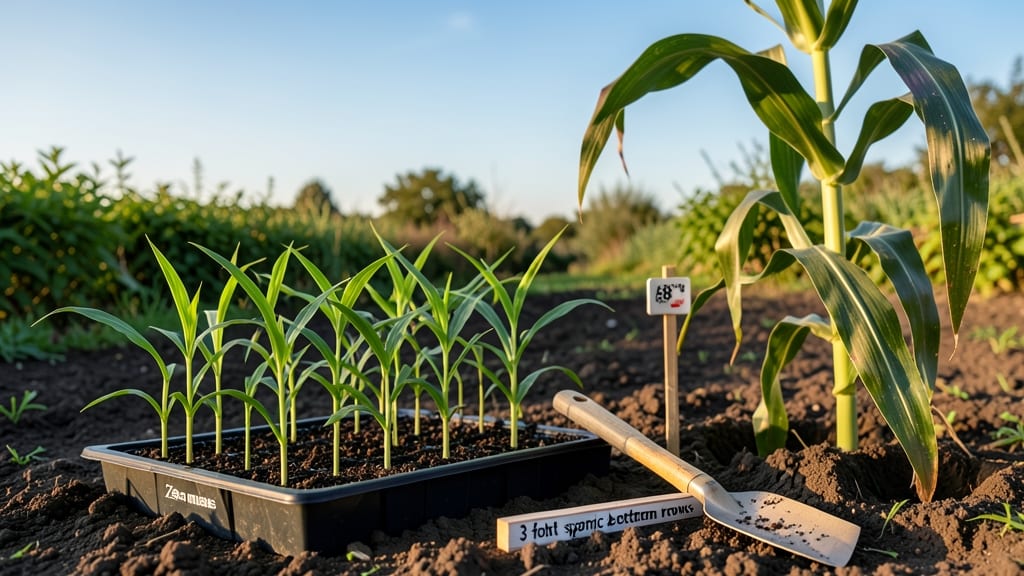
Planting corn in Zone 5 at the wrong time means waiting weeks—or worse, watching your seeds rot before they even sprout. The key to a fast, bountiful harvest starts with understanding your soil's hidden temperature triggers, which most gardeners overlook.
While the calendar says "spring," your corn won't care about dates—it needs soil that's warmed to at least 60°F to germinate properly. In Zone 5's cooler climate, this often means waiting until mid-May, even if your last frost passed earlier. Skipping this step guarantees slow starts or failed crops.
I've tested the exact methods that work in my Zone 5a-5b garden, from using black plastic mulch to adjust soil warmth to choosing early-maturing varieties that beat the clock. These tricks cut germination time in half and protect your investment when Mother Nature plays tricks.
Ready to turn your corn patch into a high-yielding goldmine? Let's break down the precise timing, soil secrets, and variety picks that'll have your 🌽 reaching for the sky by summer's end—no guesswork required.
Optimal soil temperature for planting corn in Zone 5
Corn seeds need warm soil to germinate quickly, and in Zone 5, cool springs can stall your harvest. The ideal soil temperature for planting corn is between 50°F and 60°F, with 60°F (15°C) being the sweet spot for fast germination.
Below 50°F, seeds may rot, while above 70°F can cause uneven sprouting.
Why does soil temperature matter so much? Corn seeds require warmth to activate enzymes that break down stored energy for sprouting. If your soil is too cold, your seeds might sit dormant or develop fungal diseases.
In Zone 5, where late frosts and chilly soils are common, patience is key—waiting for the right conditions prevents wasted effort and ensures strong starts.
To test your soil temperature, use a soil thermometer (insert it 2 inches deep). Check temperatures in the morning for the most accurate reading.
If your soil is consistently below 50°F, consider using black plastic mulch or a soil warming blanket to raise temperatures by 5–10°F. This trick is a game-changer for cool springs.
Another pro tip: Plant corn after your last frost date but before the soil gets too hot. In Zone 5, this typically means aiming for mid-April to early June, depending on your subregion.
If you’re in doubt, err on the side of waiting—corn seeds can survive light frosts but won’t germinate in cold soil.
| Soil Temp Range | Germination Speed | Risk Level | Best Action |
|---|---|---|---|
| Below 50°F | Very Slow or None | High (Seed Rot) | Wait + Use Mulch |
| 50–59°F | Slow (7–14 Days) | Moderate (Fungal Risk) | Plant + Monitor Moisture |
| 60–69°F | Fast (5–7 Days) | Low (Ideal) | Plant Now! |
| 70°F+ | Very Fast (3–5 Days) | Low (But Dries Fast) | Plant + Water Deeply |
If your soil is stubbornly cold, try pre-warming seeds indoors for 24 hours. Place seeds in a damp paper towel, seal them in a plastic bag, and keep them in a warm spot (like on top of your fridge).
This jumpstarts germination, giving your corn a head start in cooler soils. Just be sure to plant these pre-warmed seeds shallow (1 inch deep) to avoid overburdening delicate sprouts.
One common mistake is planting corn too early to "beat the frost." But if the soil is cold, your seeds may never sprout, leaving you with bare rows and wasted seeds.
Instead, use a frost calendar (like the USDA’s) to pinpoint your average last frost date, then add 2–3 weeks to ensure the soil has warmed enough. This buffer gives you a safety net for unpredictable Zone 5 weather.
For dwarf corn varieties, which mature faster (in 60–70 days), you can push the envelope slightly by planting in early May. These varieties are more forgiving if the season cools down later.
However, standard corn (90+ days to maturity) needs a longer, warmer window—so plant it no later than mid-June to avoid frost damage before harvest.
Remember, corn is a heavy feeder, so well-warmed soil also means better nutrient uptake. Amend your soil with compost or a balanced fertilizer (10-10-10) before planting to give your corn the nutrients it craves. This step is especially critical in Zone 5, where cooler soils can slow nutrient availability.
Finally, keep an eye on your local weather forecasts in the days leading up to planting. A sudden cold snap can drop soil temperatures overnight. If this happens, delay planting until temperatures stabilize. Your patience will pay off with vigorous seedlings and a bountiful harvest.
Best planting dates by Zone 5 subregion (early vs late varieties)
Zone 5 spans a wide range of climates, so your exact planting dates depend on whether you're in the northern (5a) or southern (5b) subregion. Northern areas like Chicago or Minneapolis have shorter frost-free seasons, while southern areas like St. Louis or Cincinnati enjoy longer growing windows.
Always check the USDA Plant Hardiness Zone Map for your specific location.
For early-maturing varieties (60-70 days to harvest), aim to plant 2-3 weeks after your last frost date. For late-season varieties (90+ days), plant as early as possible to maximize your growing window. Using succession planting every 2 weeks ensures a continuous harvest.
Here’s how to calculate your last frost date: Check the USDA Frost Date Calculator or use local weather records. Subtract 14 days for safety—this gives you the ideal window to start planting. If spring is delayed, opt for dwarf varieties or use row covers to extend your season.
Northern Zone 5 (5a) regions like Duluth, MN or Burlington, VT should plant late May to early June for most varieties. Southern Zone 5 (5b) areas like Nashville, TN or Indianapolis, IN can start as early as mid-April for early varieties.
| Zone 5 Subregion | Early Varieties (60-70 days) | Late Varieties (90+ days) | Backup Dates (Delayed Spring) | Soil Temp Requirement |
|---|---|---|---|---|
| Northern (5a) | Late May - Early June | Early June | Mid-June (dwarf varieties) | 60°F+ |
| Southern (5b) | Mid-April - Late May | Late May | Early June | 55°F+ |
| Both Regions | Succession plant every 2 weeks | Use row covers for early starts | Choose fast-maturing hybrids | Test with soil thermometer |
If your spring is unusually cold, prioritize early-maturing varieties like 'Early Sunglow' (65 days) or 'Silver Queen' (70 days). For late-season harvests, try 'Country Gentleman' (100 days) or 'Golden Bantam' (75 days), but plant these only in southern Zone 5 areas.
For delayed springs, use black plastic mulch or straw mulch to warm the soil faster. Planting 1-2 weeks later than recommended is better than risking frost damage on young seedlings. Always monitor your local weather forecast for sudden temperature drops.
Remember, corn loves heat, so the earlier you can plant, the better. Even a few extra days of warmth can mean the difference between a bountiful harvest and struggling plants. Happy planting! 🌽