
Plants
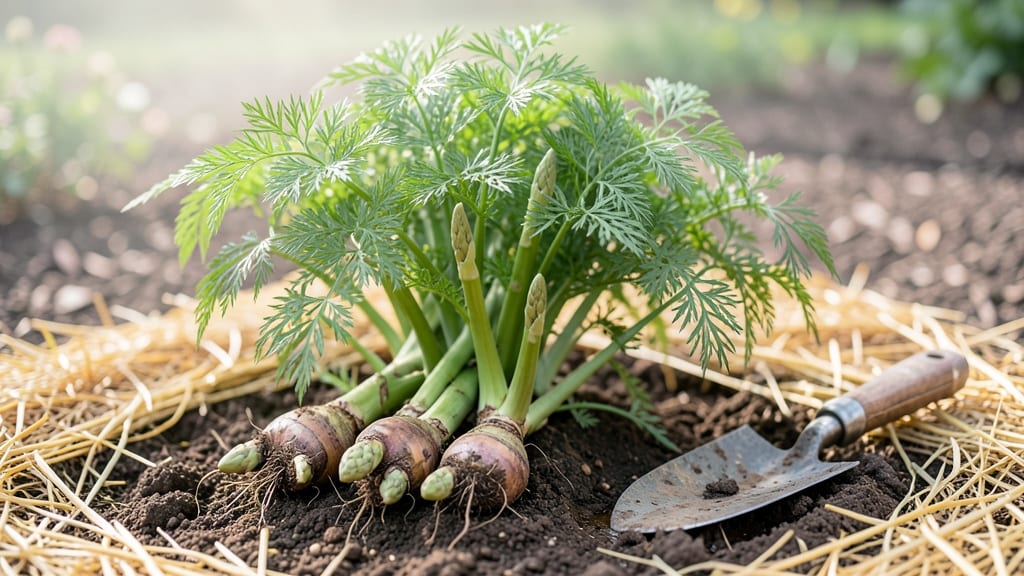
Planting asparagus at the wrong time in Tennessee can turn your 🌱 dreams into bitter harvests—or worse, bolting spears that ruin your crop. The key to zero-bolt success lies in understanding your zone’s unique frost patterns and soil warmth, especially in 6a-7b regions where early springs can be deceptive.
Most Tennessee gardeners make one of two mistakes: planting too early when soil temps are still chilly, or waiting too long and missing the ideal window. Whether you’re working with crowns or seeds, timing directly impacts how quickly your asparagus establishes roots before summer heat sets in.
Let’s break down exactly when to plant for maximum yields.
For Zones 7b-8a, the sweet spot is late February through March—when soil temperatures hover between 40–50°F—but microclimates like Nashville’s urban heat islands or Chattanooga’s mountain valleys can shift that window by weeks.
We’ll cover how to adjust for your specific corner of the state, plus pro tips to avoid the #1 mistake Tennessee growers make: overestimating their soil’s readiness.
Ready to grow asparagus that thrives? You’ll learn the exact planting calendar, soil prep secrets, and variety choices that keep spears thick and tender—no bolting in sight. Let’s get your patch off to the right start.
Best planting months for asparagus in Tennessee Zones 7b-8a
Planting asparagus in Tennessee at the wrong time can lead to bitter harvests—or worse, bolting—so timing is everything for zero-bolt success.
Tennessee’s diverse climate, from Nashville’s humid subtropical Zone 7b to Chattanooga’s cooler microclimates in Zone 8a, means your planting window must account for soil temperature thresholds and frost-free dates. Whether you’re planting crowns or seeds, understanding these nuances ensures your asparagus thrives for years.
The key to success lies in planting when soil temperatures stabilize between 40–60°F (4–15°C), a range that varies slightly between Tennessee’s regions. In Nashville (Zone 7b), the optimal window is late February to March, while Chattanooga’s cooler microclimates may extend planting into early April.
Fall planting is not recommended in Tennessee due to the risk of winter dieback from fluctuating temperatures.
| Planting Method | Optimal Months | Soil Temp Requirement | Key Considerations |
|---|---|---|---|
| Crowns (bare-root) | Late February–March (pre-soak 12–24 hrs) | 40–50°F (4–10°C) | Plant 6–8" deep, 12–18" apart; avoid frost after planting |
| Crowns (container-grown) | March–April | 50–60°F (10–15°C) | Transplant carefully; water deeply post-planting |
| Seeds (slowest method) | April–May (after last frost) | 60–70°F (15–21°C) | Germination takes 2–3 weeks; not recommended for Tennessee’s short season |
For bare-root crowns, the late February to March window is ideal because it allows roots to establish before Tennessee’s average last frost date (March 15). Pre-soak crowns for 12–24 hours before planting to jumpstart root growth.
In Zone 8a (e.g., Chattanooga), you can plant slightly later—up to early April—thanks to cooler microclimates that delay soil warming.
If you’re using container-grown crowns, wait until March or April when soil temperatures consistently reach 50–60°F (10–15°C). These crowns are less cold-hardy, so planting too early risks frost damage.
Tennessee’s clay-heavy soils can slow warming, so use a soil thermometer to confirm readiness—aim for 55°F (13°C) at 4 inches deep.
Seeds are the slowest and least reliable method for Tennessee gardeners due to the short growing season. If you choose this route, plant in April–May after the last frost, but expect 2–3 weeks of germination and minimal harvests in the first year.
For best results, stick with crowns from reputable nurseries, like ‘Jersey Knight’ or ‘Mary Washington,’ which are bred for Tennessee’s climate.
Adjust your planting timeline based on microclimates. For example, Nashville’s urban heat islands may warm up faster than rural areas, while Chattanooga’s higher elevations could delay soil warming by 1–2 weeks.
Monitor local weather forecasts and use frost-free date maps from the Tennessee State University Extension to fine-tune your schedule.
Once planted, mulch with 3–4 inches of straw or pine needles to insulate crowns from Tennessee’s hot summers and cold winters. Avoid organic mulches like grass clippings, which can introduce weeds or compact soil.
In Zone 8a, where summers are longer, prioritize even moisture to prevent bolting—water deeply 1–2 times per week during dry spells.
Remember, asparagus is a perennial investment—it takes 2–3 years to establish before harvest. Planting at the right time in Tennessee ensures your crowns survive the first critical year, setting you up for decades of spears.
For a foolproof approach, mark your calendar for late February to early April and prepare your soil with compost and sand to improve drainage.
With the right timing and Tennessee-specific adjustments, you’ll enjoy tender, zero-bolt asparagus year after year—no bitter surprises included! 🌱
How to avoid bolting and ensure zero-bolt asparagus in Tennessee
Tennessee’s warm springs can turn your asparagus patch into a bolting disaster if you’re not careful. Bolting—when asparagus sends up flower stalks—robs energy from spear production, leaving you with bitter, woody shoots instead of tender harvests.
The key to zero-bolt success lies in managing soil fertility, watering consistency, and variety selection tailored to Tennessee’s climate.
First, avoid over-fertilizing with nitrogen in the first year. Tennessee’s clay-heavy soils already hold plenty of nutrients, but fresh manure or high-nitrogen fertilizers (like blood meal) trigger premature bolting.
Instead, use a balanced 5-10-10 fertilizer sparingly—only after the third year when the crown is established. This prevents the plant from putting energy into foliage instead of spears.
Next, watch your watering schedule. Tennessee’s dry springs can stress asparagus crowns, forcing them to bolt. Aim for 1–1.5 inches of water per week, delivered deeply in the morning to reduce evaporation.
Drip irrigation works best, keeping moisture consistent without wetting the foliage (which invites fungal diseases like rust).
🚨 Top 3 Causes of Bolting in Tennessee Asparagus
Choosing the right asparagus variety also makes a difference. In Tennessee’s Zone 7b-8a, ‘Jersey Knight’ and ‘Mary Washington’ are top picks for their bolting resistance. Avoid hybrid varieties like ‘Pacific’ unless you’re willing to monitor them closely—they’re more prone to bolting in warm climates.
For container gardening, ‘Purple Passion’ (a purple-stemmed variety) thrives in Tennessee’s heat but still requires strict watering discipline.
Finally, harvest spears strategically. Once your asparagus reaches maturity (after 3 years), limit harvesting to 3–4 weeks max in early spring. Cut spears when they’re 6–8 inches tall and at least ½-inch thick—never let them grow beyond that or the plant will bolt.
After the initial harvest window, let the foliage grow to build energy for next year’s crop.
With these Tennessee-specific tweaks, you’ll enjoy tender, zero-bolt asparagus for decades. The secret? Patience in the first year, precision in the second, and consistency every spring after that. 🌱