
Plants
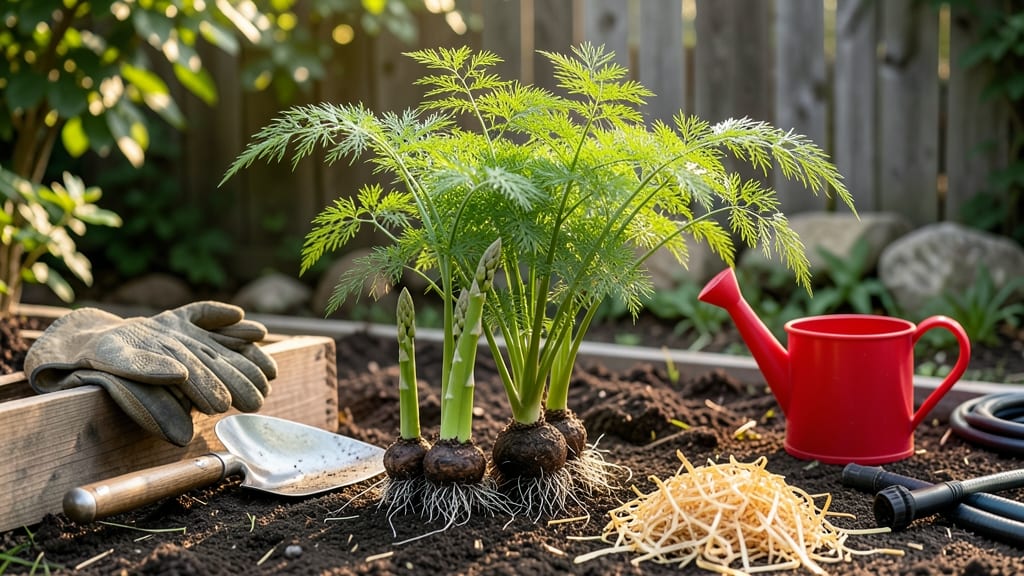
Planting asparagus in Louisiana’s 8a-9b zones isn’t just about timing—it’s about outsmarting the heat to grow sweet, tender spears instead of bitter, woody stalks. The late winter to early spring window (February-March) is your golden opportunity, but one wrong move could turn your garden into a disappointment.
I’ve learned the hard way that Louisiana’s humidity and quick-warming soil demand precision. Skip the frost warnings, and you’ll risk bolting (that’s when asparagus flowers prematurely). But get it right, and you’ll enjoy years of harvests with minimal effort—no green thumb required.
Here’s the secret: crowns (not seeds) planted when soil hits 50°F and mulched properly. We’ll cover every step, from soil prep to avoiding Louisiana’s infamous late-spring heat waves that turn spears tough. Let’s make your asparagus dream a reality.
Whether you’re a first-time gardener or a seasoned green thumb, these Louisiana-specific tips will ensure your asparagus thrives—no bolting, no stress, just perfect spears ready to harvest by spring. Ready to dig in?
Optimal planting windows for Louisiana asparagus (avoiding bolting in heat zone 8B-9A)
Louisiana’s Heat Zones 8B-9A create unique challenges for asparagus growers. The humid heat and long growing season can cause premature bolting if planted at the wrong time. Unlike cooler climates, Louisiana’s soil warms quickly, making timing critical for zero-bolt harvests.
The key? Plant when soil temps hover between 50°F-60°F—not too early (risk of rot) and not too late (risk of bolting).
Most gardeners in Louisiana focus on late winter to early spring planting, but your exact timing depends on your microclimate. Coastal areas (like New Orleans) can plant 2-3 weeks earlier than inland regions (like Shreveport) due to milder winters.
Even a 10°F difference in soil temperature can mean the difference between tender spears and bitter, woody stalks.
Here’s the golden rule for Louisiana: Plant asparagus crowns when soil temps reach 50°F and stay consistent for at least 7-10 days. Use a soil thermometer—this tool is your best friend in avoiding bolting.
In Zone 8B, aim for mid-February to early March, while Zone 9A gardeners should wait until late February to mid-March.
| Zone & Region | Optimal Planting Window | Soil Temp Threshold | Key Risk |
|---|---|---|---|
| Zone 8B (Inland: Shreveport, Alexandria) | Mid-February to Early March | 50°F (consistent for 7+ days) | Late frost damage |
| Zone 8B (Coastal: Baton Rouge, Lafayette) | Late February to Early March | 52°F (warmer coastal soils) | Premature bolting |
| Zone 9A (New Orleans, Houma) | Late February to Mid-March | 55°F (soil warms faster) | Heat-induced bolting |
| All Regions (Fall Option) | October (for Zone 8B only) | 60°F (cooler fall soils) | Root rot risk |
Why does this matter? Asparagus plants are perennial, meaning they’ll produce for 10-15 years if planted correctly. But if you rush planting in Zone 9A’s heat, your crowns will bolt prematurely—turning sweet spears into bitter, fibrous stalks.
The coastal humidity also speeds up soil warming, so even a 1-week delay can make a difference in avoiding bolting.
For Zone 8B gardeners, early planting (like mid-February) gives spears a head start before the April heat hits. But if you’re in Zone 9A, waiting until late February ensures the soil stays cool enough to delay bolting until your peak harvest window (March-May).
Think of it like timing a race against the heat—your goal is to let the roots establish before the soil gets too hot.
Pro tip: Mulch heavily after planting to regulate soil temperature. A 3-4 inch layer of straw or pine needles keeps roots cool in summer and warm in winter. This is especially critical in Zone 9A, where summer temps can push soil temps above 85°F—a sure recipe for bolting.
Even in Zone 8B, mulching adds 2-3 weeks to your harvest window by slowing soil warming.
What about fall planting? It’s possible in Zone 8B (but risky in Zone 9AOctober when soil temps drop below 60°F. The crowns will establish roots over winter and produce spears the following spring.
However, coastal humidity increases disease risk in fall, so only attempt this if your soil drains exceptionally well. For most Louisiana gardeners, spring planting remains the safest bet.
One common mistake? Planting too deep to "protect" crowns from heat. Asparagus crowns need to be 6-8 inches deep—any deeper, and they’ll struggle to send up spears.
In Louisiana’s clay-heavy soils, amending with compost or sand improves drainage and prevents crown rot, which is a major issue in Zone 9A’s humidity. Always plant in raised beds or mounds if your native soil drains poorly.
Remember: Patience is key. Asparagus takes 2-3 years to reach full production, but getting the planting window right in Louisiana means zero-bolt spears for decades.
Mark your calendar for late February to mid-March, test your soil temp, and you’ll be on your way to harvesting tender spears year after year. 🌱
Step-by-step Louisiana asparagus planting guide: from crowns to soil prep for maximum yield
Once you’ve locked down your planting window, the real work begins with preparing your Louisiana garden for asparagus success. Unlike other plants, asparagus thrives on well-drained soil and organic-rich beds—critical for preventing rot in our humid climate.
Start by testing your soil’s pH level (aim for 6.5-7.5) and amending it with compost or aged manure to boost fertility.
Louisiana’s clay-heavy soils can be tricky, so consider planting in raised beds if drainage is poor. Mix in sand or perlite to improve aeration, and avoid fresh manure, which can burn delicate asparagus roots. A 3-4 foot wide bed gives you easy access for harvesting without compacting the soil.
- 📝 Test soil pH (6.5–7.5) and amend with compost (2–3 inches).
- 🌱 Dig trenches 6–8 inches deep, spacing rows 3–4 feet apart.
- ✂️ Soak crowns in water for 1 hour before planting.
- 🌿 Place crowns in trenches, spreading roots evenly.
- 🌡️ Cover with soil (leave tips exposed) when soil hits 50°F.
- 💧 Water deeply after planting to settle soil.
When planting asparagus crowns, space them 12–18 inches apart in rows to allow room for the fern-like foliage to spread. In Louisiana’s heat, shallow planting can lead to bolting (premature flowering), so bury crowns 6–8 inches deep—deeper than most gardeners think!
Soak the crowns for 1 hour before planting to kickstart root growth in our warm soil.
After planting, mulch with 2–3 inches of straw or pine needles to retain moisture and suppress weeds. Louisiana’s summer heat can dry out soil quickly, so keep the mulch moist but not soggy.
Avoid heavy mulch piles against crowns, which can cause rot. Water deeply once a week during establishment, focusing on the root zone.
For the first 2 years, resist the urge to harvest spears—let the plants build a strong root system. In Year 3, you’ll see your first full harvest, but time it right: stop harvesting by mid-June to let the foliage recharge the roots for next year’s crop.
Louisiana’s long growing season means you can push harvests into early summer, but don’t overdo it!
Pro tip: Mark your asparagus beds with stakes or flags—Louisiana’s heat can make gardens look uniform, and you’ll forget where those early spears are hiding! With proper prep, your asparagus will thrive for 15+ years, making it one of the most rewarding perennials for our climate. 🌱