
Plants
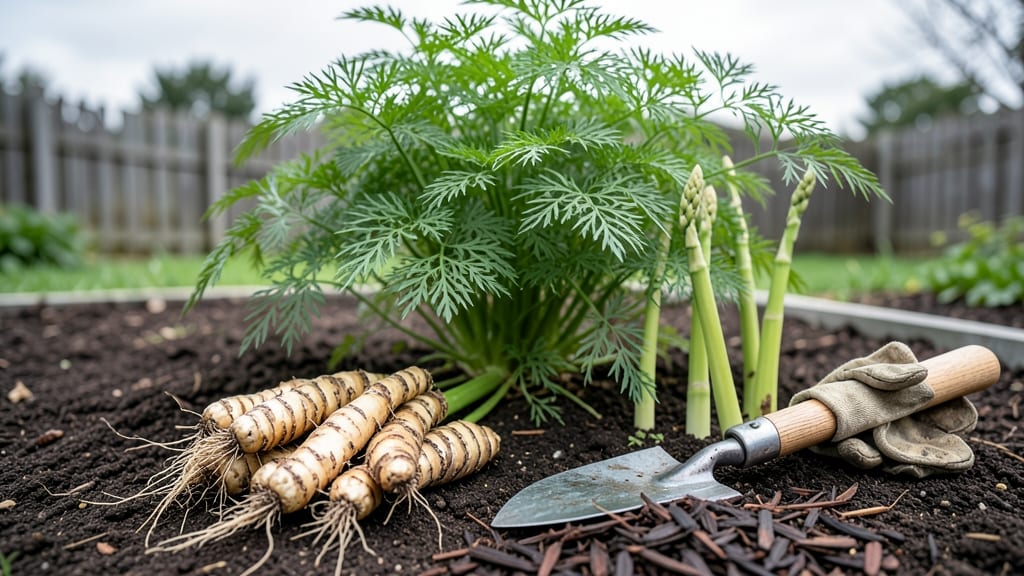
Planting asparagus in Maine isn’t just about grabbing crowns and digging holes—it’s about timing your move to outsmart the climate. Get it wrong, and you’ll either waste money on frost-killed plants or miss the sweet spot for zero-bolt harvests.
The secret? Understanding when the soil warms enough to support those delicate roots without rushing into spring’s unpredictable chill.
Most Maine gardeners swear by early spring planting—think March to April—when the ground is workable but still cool. But here’s the catch: coastal areas like Portland can play by different rules than inland spots near Bangor, where frosts linger later.
We’ll break down exactly when to plant based on your local frost dates, so you can avoid the heartbreak of bolting before your first harvest.
What you’ll discover is that patience pays off—asparagus crowns 🌱 need time to establish roots before they’ll deliver those prized spears in years three and beyond. With the right timing, you’ll set up a perennial crop that thrives in Maine’s Zone 5b-6b climate, giving you fresh harvests for decades.
Let’s get you planting like a pro.
Ready to skip the guesswork? I’ll walk you through soil prep, variety choices, and even how to tell when your asparagus is truly ready to harvest—no more waiting around for spears that never come. Your future breakfast table will thank you.
Maine’s ideal asparagus planting window by frost dates
Timing your asparagus crowns in Maine isn’t just about avoiding frost—it’s about giving your plants the 40°F+ soil they crave to establish roots before summer heat arrives. With USDA Zone 4-5 conditions, coastal areas like Portland enjoy a 2-3 week earlier window than inland spots like Presque Isle.
Miss this window, and you risk bolting (premature flowering) or stunted growth.
Maine’s last average frost dates vary dramatically: Portland typically sees frost by May 15, while Presque Isle holds onto cold until May 25. Soil temperature lags behind air temperature, so wait until your soil warms to 50°F+—test with a soil thermometer for accuracy.
This usually aligns with late April to early May in most regions.
For coastal Maine (Zones 5b-6a), aim to plant asparagus crowns between March 20–April 15. Inland areas (Zones 4b-5a) should wait until April 15–May 1.
The key is planting 4–6 weeks before your last frost but after the ground thaws—muddy soil smothers roots. Fall planting is risky in Maine’s climate and rarely recommended.
If you’re planting in early spring (before soil warms), use straw mulch to insulate roots and prevent temperature swings. For late April plantings, opt for black plastic mulch to raise soil temps by 5–10°F.
Pro tip: Plant asparagus crowns in trenches 8–12 inches deep—this mimics their natural Mediterranean habitat and encourages deeper root growth.
Maine’s short growing season demands precision. Planting too early risks frost damage to tender shoots, while late plantings may not establish roots before first frost in October.
Aim for 6–8 weeks of warm soil before harvest season (June–July). Use a soil thermometer to confirm readiness—50°F+ is non-negotiable for root development.
For coastal gardeners, leverage the microclimate advantage: ocean breezes moderate temperatures, but watch for salt-laden winds near shorelines. Inland areas should choose south-facing beds to maximize sunlight. Both regions benefit from raised beds, which warm up 2–3 weeks earlier than in-ground soil.
Once planted, mulch heavily with straw or wood chips to retain moisture and suppress weeds. Asparagus is perennial, so patience pays off—harvests begin in year 3. But timing your planting window correctly in Maine’s Zone 4-5 climate ensures you’re not fighting frost or bolting for years to come.
Remember: Asparagus crowns are dormant in winter, so fall planting is rarely successful in Maine. Stick to spring planting, and your patience will reward you with zero-bolt harvests for decades.
The earlier you plant (within the frost-free window), the sooner you’ll enjoy those tender spears—just don’t rush it! 🌱
How to avoid bolting: pro tips for Maine’s short growing season
Bolting—when asparagus sends up those woody flower stalks—is every Maine gardener’s nightmare. In our cool, short growing season, asparagus plants can bolt prematurely if they sense warmth too early or struggle with poor soil conditions.
The key to avoiding this is proactive care that mimics Maine’s natural seasonal cues while giving your plants the support they need to focus on spears instead of seeds.
First, let’s tackle the soil foundation. Asparagus thrives in well-draining, slightly alkaline soil with a pH between 6.5 and 7.5.
In Maine, where soils can be acidic, I recommend amending your beds with lime (calcitic or dolomitic) and composted manure (like cow or horse) in a 2:1 ratio before planting.
This not only balances pH but also adds organic matter to improve moisture retention—a game-changer for our sandy or rocky soils.
🌱Pro Tip: Test your soil 4-6 weeks before planting. Maine’s USDA Zone 5b-6b means spring soil temps can fluctuate wildly, so give yourself time to adjust pH if needed.
Aim for a soil temperature of at least 40°F before planting, as cooler temps slow root establishment and increase bolting risks.
🌱 5 Pro Tips to Prevent Bolting in Maine
- 1. Mulch like a pro: Use 4-6 inches of straw or wood chips after planting to insulate roots and maintain even soil temps. This mimics Maine’s natural forest floor and reduces temperature swings.
- 2. Shade cloth strategy: If planting in late April or May, use 30% shade cloth for the first 2-3 weeks to slow early growth and prevent bolting triggered by sudden warmth.
- 3. Companion planting: Interplant with onions, garlic, or chives—their pungent aroma deters pests and may delay bolting by confusing the plant’s growth signals.
- 4. Fertilizer timing: Avoid high-nitrogen fertilizers in spring. Instead, use a balanced 10-10-10 fertilizer in early June after the first harvest to encourage root growth without promoting rapid shoot development.
- 5. Watering discipline: Deep water once weekly in the first year to establish roots. In subsequent years, reduce to bi-weekly deep soaks—overwatering can stress plants and trigger bolting.
Another critical factor is light management. Maine’s long daylight hours in summer can push asparagus into bolting mode if the plant senses too much light too soon.
If you’re planting in late April or early May, consider using lightweight row covers for the first few weeks to filter sunlight slightly. This mimics the gradual increase in daylight we see in nature and gives your plants time to adjust.
For gardeners in coastal Maine (like Portland or Bar Harbor), where springs are milder, you have a slightly longer window to plant—sometimes as late as mid-May. But inland areas (Bangor, Presque Isle) should stick to March-April planting to avoid late frosts.
The rule of thumb? Plant when the soil is workable but air temps rarely dip below 32°F at night.
Finally, don’t underestimate the power of patience. Asparagus is a perennial investment—it takes 2-3 years to establish before you’ll see significant harvests. In that time, focus on building strong roots through consistent mulching, moderate watering, and strategic fertilization.
When you finally get those first spears, you’ll know you’ve outsmarted Maine’s climate and avoided the bolting curse.