
Plants
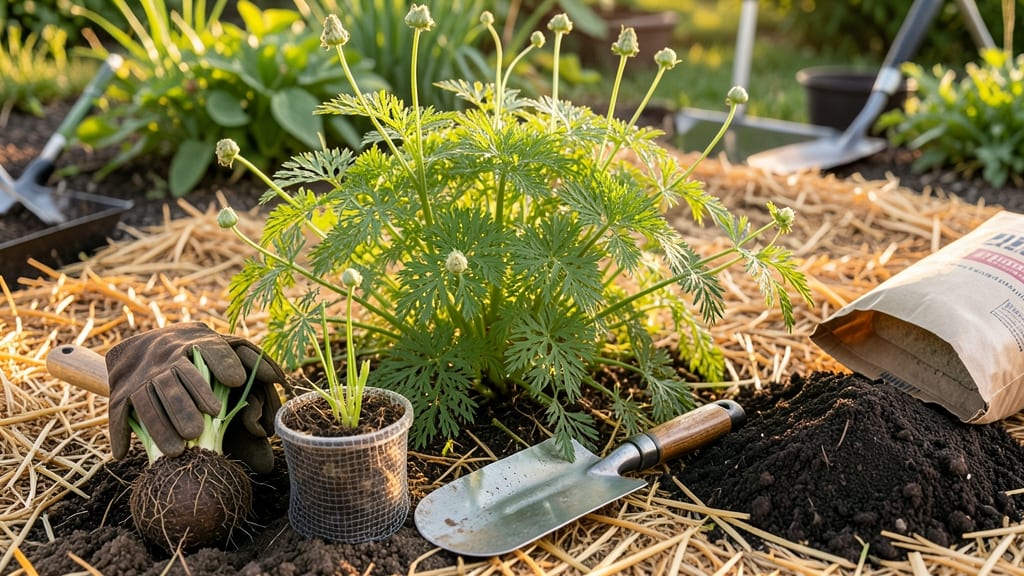
Timing your 🌱 asparagus planting in Arkansas isn't just about the calendar—it's about beating frost, warming soil, and setting up spears for a 3-year harvest that outlasts most garden crops.
Plant too early, and a late freeze will wipe out your crowns; too late, and you’ll miss the 6-8 week window before summer heat stresses young roots.
Here’s the secret Arkansas gardeners swear by: aim for March to early April in zones 7a-8b, when soil temperatures hit 40-50°F and the last frost date (around March 15) fades into memory.
But don’t stress if your schedule won’t cooperate—fall planting in September-October can work too, with a few key adjustments.
Why does this matter? Asparagus is a perennial powerhouse that rewards patience. Get the timing right, and you’ll enjoy homegrown spears for 15+ years—no replanting required.
I’ll walk you through the exact steps to prep your soil, choose between crowns or seeds, and adjust for Arkansas’ unpredictable weather, so you’re not guessing when the time is truly right.
Ready to turn your garden into a spear-producing machine? Let’s dive into the zone-specific details that’ll have your asparagus thriving while your neighbors are still waiting for their first harvest.
Best months to plant asparagus in Arkansas (zones 6b-7b)
Asparagus thrives in Arkansas’ mild winters and warm springs, but timing your planting is critical. The optimal window for planting asparagus crowns is 4-6 weeks before your last frost date, typically mid-March to early April in most of the state.
This ensures roots establish before summer heat arrives, while avoiding late spring frosts that can damage tender shoots.
Northern Arkansas (Zone 6b) has a longer frost risk—wait until after April 15 to plant. Southern Arkansas (Zone 7b) can start as early as late February if soil temperatures reach 40-50°F.
Always check your local USDA frost map for precise dates, as Arkansas’ microclimates vary dramatically.
For spring planting, focus on soil temperature over calendar dates. Use a soil thermometer to confirm 40-50°F at 6 inches deep—this triggers root growth.
In Arkansas, this typically aligns with mid-March in the north and late February in the south. Planting too early risks frost damage to emerging shoots.
Fall planting is less common but effective in Arkansas’ climate. Aim for September 15-October 15 to allow roots to establish before winter. This method works best in Zone 7b, where winters are milder. Mulch heavily with straw or leaves to insulate roots during freeze-thaw cycles common in Arkansas winters.
Pro tip: Pre-soak asparagus crowns for 2-4 hours before planting to jumpstart root growth. Arkansas’ clay-heavy soils benefit from amending with compost to improve drainage—critical for preventing root rot. Test your soil’s pH (6.5-7.0 ideal) and add lime or sulfur if needed before planting.
Northern Arkansas gardeners should prioritize spring planting due to higher frost risk. Southern Arkansas growers have more flexibility but must watch for unpredictable late frosts in March. Always monitor local weather forecasts and have frost cloth ready to protect young plants if temperatures dip below 28°F.
Remember: Asparagus is a perennial—proper planting timing now means harvests for 15+ years. In Arkansas, patience pays off: spears won’t appear until Year 3, but with the right timing, you’ll enjoy juicy, homegrown asparagus for decades.
Start small with 3-5 crowns to test your site’s conditions before expanding.
🌱
How to prepare Arkansas soil for asparagus roots before planting
Arkansas’ clay-heavy soils can be a double-edged sword for asparagus—too dense, and roots struggle to spread; too loose, and they won’t hold moisture. The key is creating a well-draining, nutrient-rich bed that mimics the plant’s natural preference for sandy loam.
Start by testing your soil’s pH and texture, which directly impacts root development and spear production.
Asparagus thrives in soil with a pH between 6.5 and 7.5. If your Arkansas garden soil tests lower (common in our region), amend it with lime or wood ash to raise the pH gradually.
For acidic soils, a light application of agricultural lime (follow package rates) 2-3 months before planting will give the pH time to adjust naturally.
⚠️ callout warning
Don’t skip soil testing—Arkansas’ clay soils can suffocate asparagus roots. If your soil fails the squeeze test (clumps stay hard when dry), amend with 30% compost and 20% coarse sand before planting. Overlooking this step = stunted growth and poor yields.
💡 Pro Tip: Mix in bone meal (high in phosphorus) to boost root development—critical for Arkansas’ short growing season.
Once your soil’s pH is ideal, focus on texture improvement. Arkansas’ clay soils compact easily, restricting root expansion. Work in 3-4 inches of compost (well-rotted) and 1-2 inches of coarse sand or perlite to create air pockets.
For phosphorus (essential for root growth), add 1/2 cup of bone meal per planting hole—this feeds the roots during their critical first year.
Before planting, prepare the bed by digging a 12-inch-deep trench where your asparagus crowns will go. This encourages roots to grow downward naturally, a must for Arkansas’ humid climate where fungal diseases thrive.
Space trenches 18 inches apart to allow airflow and easy harvesting. Line the bottom with 1 inch of compost to provide immediate nutrients.
After trenching, water the bed deeply to settle the soil and remove air pockets. Let it sit for 3-5 days before planting to allow amendments to integrate. This pre-watering also helps prevent root rot, a common issue in Arkansas’ wet springs.
A final check: press your finger into the soil—it should feel crumbly, not compact.
For long-term success, mulch the bed with 2-3 inches of straw or pine needles after planting. This conserves moisture (critical during Arkansas’ hot summers) and suppresses weeds. Avoid organic mulches like grass clippings—they can introduce disease pathogens to your asparagus bed.
With these steps, your Arkansas soil will transform from clay-heavy and restrictive to fertile and root-friendly, setting the stage for years of abundant harvests. The investment in preparation now means fewer struggles and more spears in your future garden. 🌱