
Plants
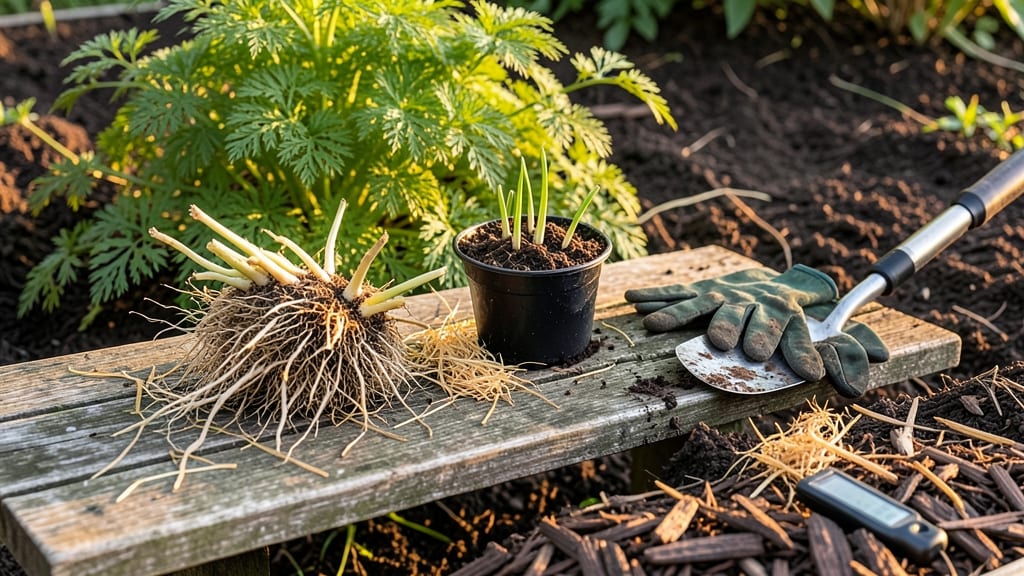
Planting asparagus in Kentucky isn't just about grabbing crowns and popping them in the dirt—it's about timing your move to avoid frost, boost growth, and snag that first harvest in just two years instead of three.
The early spring window (March to April) is your golden ticket, but get it wrong, and you'll be waiting longer than you bargained for.
Why does this matter? Because asparagus is a perennial that needs patience—6a zone gardeners like you know the stakes. Plant too early, and cold soil can stunt roots; too late, and you risk weak spears.
I'll break down the exact dates, soil temps, and microclimate tweaks so your 🌱 asparagus thrives from day one.
Here's the secret: Kentucky's climate isn't one-size-fits-all. Urban heat islands in Louisville might shift your window by 2 weeks compared to cooler Appalachian valleys. We'll cover how to adjust for your specific patch of dirt—because even in the same state, frost dates can vary wildly.
Ready to plant with confidence? Let's dive into the perfect schedule, soil prep, and care tips that'll turn your garden into a spear-producing powerhouse by next May. No more guesswork—just surefire results.
Optimal Kentucky asparagus planting dates by USDA zone 7b calendar
Kentucky’s USDA Zone 7b climate offers a narrow window for planting asparagus crowns and seeds, where timing directly impacts your first harvest. The ideal soil temperature for planting is between 40-50°F, and Kentucky’s last frost typically occurs around March 15.
Planting too early risks crown rot, while waiting too long delays spear production by a full year.
For Kentucky gardeners, the optimal planting window spans mid-March to early April for crowns, while asparagus seeds should be sown indoors 8-10 weeks before the last frost.
Rural areas with cooler microclimates may shift planting 1-2 weeks later than urban zones, which warm faster due to heat island effects.
Here’s your Kentucky-specific planting calendar with soil temperature thresholds and frost risk analysis:
| Planting Method | Ideal Planting Window | Soil Temp Threshold | First-Frost Risk | Microclimate Adjustment |
|---|---|---|---|---|
| Asparagus Crowns | Mid-March to Early April | 40-50°F (4°C-10°C) | Low (after March 15) | Urban: Shift 1 week earlier Rural: Shift 1 week later |
| Asparagus Seeds (Indoor Start) | Late January to Early February | 65-75°F (18°C-24°C) | None (indoor) | Transplant outdoors after last frost |
| Fall Planting (Risky) | Late September to Early October | 50-60°F (10°C-15°C) | High (first frost Nov 15) | Avoid unless using row covers |
Kentucky’s first-frost date typically arrives around November 15, but asparagus crowns planted in fall rarely survive without protection. The soil temperature must stay above 40°F for 4-6 weeks post-planting to establish roots before dormancy. Use a soil thermometer to confirm readiness—cold soil slows root growth and increases disease risk.
Urban gardeners in Louisville or Lexington often see warmer microclimates due to pavement and buildings, allowing planting 1-2 weeks earlier than rural areas. Conversely, Appalachian regions may experience cooler soils and should delay planting until late March to avoid frost damage. Monitor local weather forecasts for unexpected cold snaps.
After planting, maintain consistent moisture—asparagus crowns need 1-2 inches of water weekly until establishment. Mulch with straw or wood chips to retain moisture and regulate soil temperature, especially in Kentucky’s variable spring weather.
Avoid overwatering, as soggy soil leads to root rot, a common issue in Kentucky’s clay-heavy soils.
Your first harvest won’t arrive until Year 3, but proper timing now ensures spear production for 15+ years. Mark your calendar for mid-March to early April—this is your best shot at a bountiful asparagus patch in Kentucky’s climate.
Patience pays off with tender spears by late spring! 🌱
Pro tip: Test your soil’s pH (6.5-7.0 ideal) before planting. Kentucky’s acidic soils often need lime amendments to prevent nutrient deficiencies. A simple $10 soil test kit from your local extension office saves headaches later. 💧
Microclimate adjustments: how Kentucky’s local weather affects asparagus planting
Kentucky’s diverse geography means your asparagus planting window can shift dramatically—even within 100 miles. While the general rule is to plant crowns 4-6 weeks before last frost (mid-March to early April), microclimates in Lexington, Louisville, and Appalachian regions create variations of up to 2 weeks.
Urban heat islands in Louisville can push your window earlier by 7-10 days, while higher elevations in the Appalachians may delay planting until late April.
Proximity to water bodies also plays a role. Gardens near rivers or lakes (like those in Paducah) experience milder winters, allowing for earlier soil warming—ideal for asparagus crowns that need 40-50°F soil temps to root.
Meanwhile, inland areas with dry, cold air (common in Bowling Green) may require waiting until soil temps consistently hit 50°F before planting.
Here’s how three key Kentucky regions differ—and how to adjust your planting schedule accordingly:
| Region | Last Frost Date | Ideal Planting Window | Microclimate Notes |
|---|---|---|---|
| Lexington | March 20–25 | Early to mid-March | Urban heat island effect; plant 1 week earlier than rural areas. |
| Louisville | March 15–20 | Late February to early March | Warmer microclimate; soil warms faster near Ohio River. |
| Appalachian (e.g., Pikeville) | April 5–10 | Late March to early April | Higher elevation delays frost; wait for consistent 50°F soil. |
For gardeners in Lexington or Louisville, aim to plant asparagus crowns by March 1 to avoid late frosts. Use black plastic mulch to warm soil faster if needed. In contrast, Appalachian gardeners should hold off until April 1—planting earlier risks crown rot from lingering cold.
Test soil temps with a soil thermometer (available at garden centers) to confirm readiness.
Another critical factor is wind exposure. Gardens in open, windy areas (like parts of Western Kentucky) lose heat faster at night, so plant 1-2 weeks later than sheltered spots. Windbreaks like hedges or fences can create a microclimate that mimics warmer regions, allowing earlier planting.
Pro tip: If you’re unsure about your local microclimate, check historical frost data from the Kentucky Mesonet or ask neighbors with established asparagus beds. Their harvest timelines can reveal whether your area leans warmer or cooler than the average.
With these adjustments, you’ll nail your planting window—and enjoy spears in just two years instead of three.