
Planting
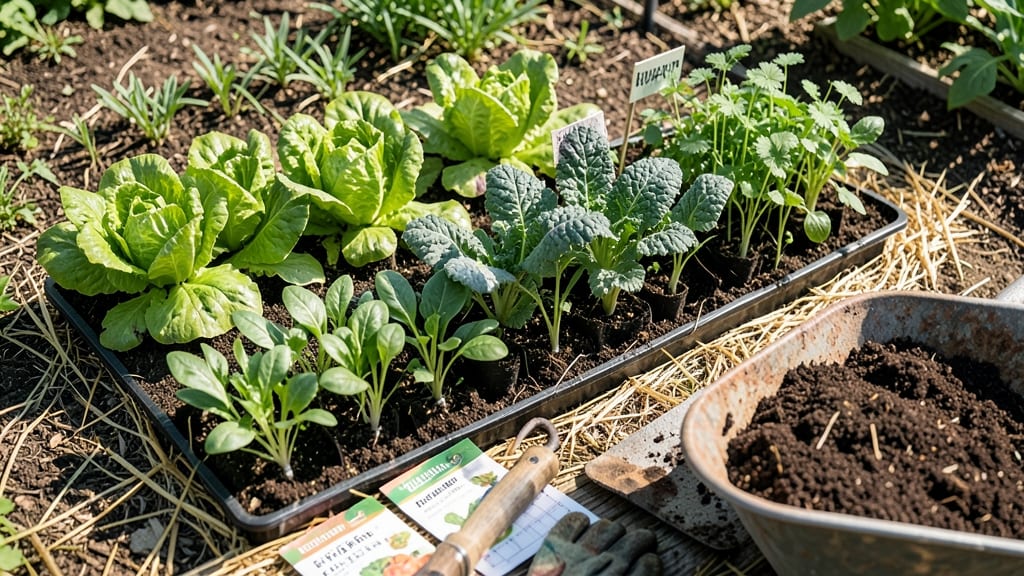
Planting a garden in Cleveland, Ohio, means mastering the delicate dance between late frosts and Lake Effect weather—get the timing wrong, and your 🌱 General Garden could end up as a sad, frostbitten memory instead of a thriving harvest.
With USDA Zone 6a and Cleveland’s notorious April 15 average last frost date, knowing exactly when to start seeds indoors or transplant seedlings outdoors is the difference between a bountiful garden and a season of second-guessing.
Whether you're dreaming of crisp spring lettuce or fall tomatoes, the key is working with Cleveland’s quirks—not against them.
In this guide, I’ll break down the perfect planting windows for your 🌱 General Garden, from early spring starts to fall extensions, so you can avoid the heartbreak of frost damage and maximize your growing season. No more guessing—just proven strategies tailored to Cleveland’s climate.
Ready to transform your yard into a productive oasis? Let’s dive into the month-by-month schedule that’ll have your plants thriving from March through October—no matter what Mother Nature throws your way.
Cleveland Ohio frost dates and USDA Zone 6b planting schedule
Cleveland’s USDA Zone 6b climate means you’ll experience 150-180 frost-free days annually, creating a unique window for growing everything from hardy greens to tender tomatoes. The Lake Effect near Lake Erie can delay spring frosts by 1-2 weeks in coastal areas, while inland spots may face earlier cold snaps.
According to NOAA data, Cleveland’s average last frost date is April 15, but temperatures can fluctuate wildly—even into May. Planning around these dates ensures your spring crops thrive while avoiding frost damage.
For fall planting, the first frost typically arrives around October 15, giving you about 165 frost-free days to grow warm-season vegetables like peppers and squash. However, microclimates near the lake can extend this window by 10-14 days.
Understanding these variations helps you time your harvests perfectly, whether you’re growing cool-season crops or heat-loving annuals. Let’s break down the month-by-month planting schedule tailored to Cleveland’s unique conditions.
⚠️ Key Insight: Cleveland’s Lake Effect creates cooler, wetter springs near the lake, while inland areas warm up faster. Use this summary table to align your planting with your specific microclimate.
Cleveland’s USDA Zone 6b classification means you can grow a wide range of perennials and annuals, but timing is everything.
For example, tomatoes and peppers need a long, warm season, so starting them indoors in March and transplanting after May 15 gives them the best chance to mature before frost. Meanwhile, cool-season crops like spinach and kale thrive when planted in early spring (March-April)
Best vegetables and flowers to plant by month in Cleveland
Cleveland’s USDA Zone 6b climate means we can grow a year-round garden with careful planning. The key is knowing which cold-hardy crops thrive in early spring and which warm-season plants need to wait until after the last frost.
I’ve broken down the best vegetables and flowers to plant each month, plus tips for succession planting to keep your harvests coming.
For spring planting, focus on cool-season vegetables like spinach and peas, which can handle light frosts. By late May, when soil temperatures rise, it’s time for tomatoes, peppers, and basil.
In fall, you can squeeze in another round of kale, carrots, and pansies before the first frost hits in mid-October. Flowers like marigolds and coneflowers add color and deter pests year-round.
- 1 March: Start cold-hardy veggies like spinach, peas, and lettuce indoors or under row covers. Plant perennials like asparagus and rhubarb once soil warms.
- 2 April: After the last frost (mid-April), direct-sow radishes, carrots, and beets. Transplant broccoli and cabbage starts. Add marigolds and pansies for early color.
- 3 May: Plant tomatoes, peppers, and eggplants after soil reaches 60°F. Start succession plantings of bush beans and zucchini every 2 weeks for continuous harvests.
- 4 June-August: Focus on warm-season maintenance. Add basil, cilantro, and sunflowers. Use succession planting for lettuce and kale in partial shade.
- 5 September: Start fall crops like spinach, arugula, and carrots. Plant perennials like coneflowers and black-eyed Susans for next year.
- 6 October: Harvest remaining warm-season crops before frost. Plant garlic and spring-blooming bulbs like tulips and daffodils for next year.
Don’t forget succession planting—it’s the secret to a continuous harvest. For example, sow lettuce every 2 weeks from April to August, and you’ll have fresh greens all season. Marigolds and nasturtiums are great companions for vegetables, repelling pests naturally while adding beauty to your garden.
Pro tip: Use row covers to extend the season for cool-season crops in early spring or late fall. This trick lets you grow spinach and kale even when temperatures dip below freezing. Just remember to remove covers during the day to prevent overheating.
With this month-by-month guide, you’ll avoid the common mistake of planting too early and risking frost damage. Instead, you’ll enjoy a lush, productive garden that thrives in Cleveland’s unique climate. Happy planting! 🌱