
Planting
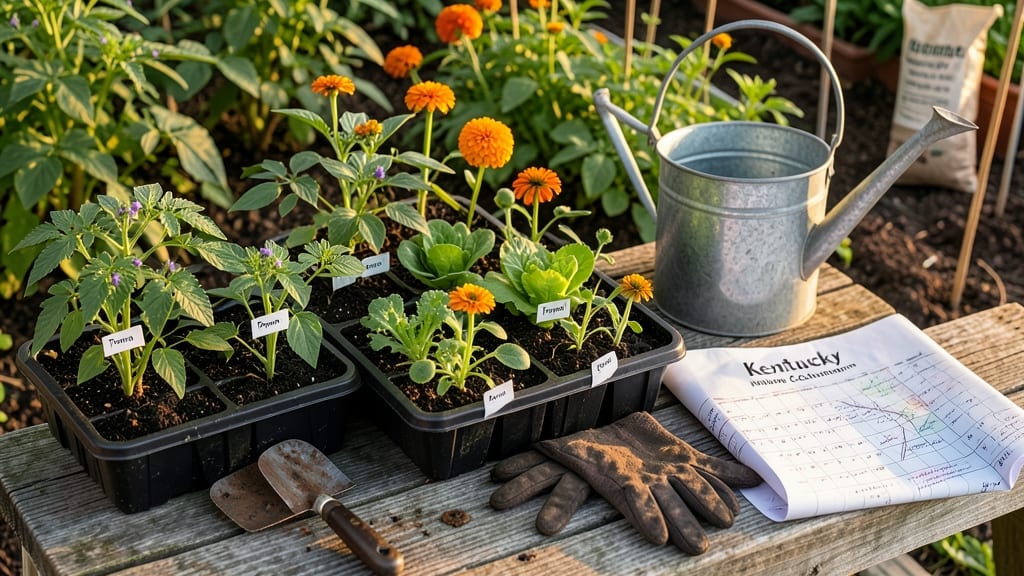
Timing your garden planting in Kentucky’s Heat Zone 6b-7a can make or break your harvest—get it wrong, and you’ll either lose crops to frost or miss peak flavor.
The key isn’t just knowing what to plant, but when, because Kentucky’s unpredictable spring and fall can throw off even experienced gardeners.
I’ve spent years tracking frost dates and soil temps across Kentucky, and the difference between a thriving garden 🌱 and a struggling one often comes down to planting just a few days too early or late.
Whether you’re sowing cool-season greens like spinach or warm-season favorites like tomatoes, the right schedule maximizes your growing season.
This isn’t just theory—it’s a battle against Kentucky’s variable climate, where Louisville’s urban heat islands can push planting dates weeks ahead of rural Appalachian zones. I’ll break down the exact windows for spring and fall, so you can avoid common mistakes and enjoy a garden that delivers all season.
Ready to stop guessing and start growing? Let’s dive into the precise planting calendar that’ll turn your Kentucky garden into a year-round success.
Kentucky planting calendar by month: heat Zone 6b-7a guide
Kentucky’s spring frost dates typically range from mid-April in southern regions to late April in northern areas, while the first fall frost arrives between mid-October and early November. These dates create a narrow window for planting, so timing is everything.
I’ve broken down the best months for planting cool-season crops like lettuce and warm-season crops like tomatoes to maximize your harvest.
Your planting strategy should focus on two key seasons: spring (March–May) and fall (August–October). Spring planting starts as soon as the soil warms to at least 50°F, while fall planting should wrap up by mid-September to avoid early frosts.
Kentucky’s USDA Hardiness Zones 6b-7a mean you’ll need to adapt based on your specific location—more on that in the next section.
Here’s a quick reference for ideal planting months in Kentucky, organized by crop type:
| Month | Cool-Season Crops | Warm-Season Crops | Flowers & Herbs | Soil Temp | ||||||||||||||||||||||||
|---|---|---|---|---|---|---|---|---|---|---|---|---|---|---|---|---|---|---|---|---|---|---|---|---|---|---|---|---|
| March | Peas, Spinach, Lettuce | None (too cold) | Pansies, Calendula | 40-50°F | ||||||||||||||||||||||||
| April | Broccoli, Kale, Radishes | Tomato/pepper starts indoors | Sweet Alyssum, Snapdragons | 50-60°F | ||||||||||||||||||||||||
| May | Late spinach, peas | Transplant tomatoes, peppers, cucumbers | Marigolds, Basil | 60-70°F | ||||||||||||||||||||||||
| June | None (heat-sensitive) | Direct-sow beans, squash, corn | Sunflowers, Zinnias | 70-80°F | ||||||||||||||||||||||||
| July | None | Succession plant beans, cucumbers | Cosmos, Nasturtiums | 75-85°F | ||||||||||||||||||||||||
| August | Late broccoli, kale | None (too hot for germination) | Aster, Goldenrod | 70-80°F | ||||||||||||||||||||||||
| September | Spinach, Lettuce, Radishes | Transplant late tomatoes, peppers | Pansies, Sweet Peas | 60-70°F | ||||||||||||||||||||||||
| October | Garlic, Onions, Cover crops | None |
How Kentucky’s microclimates affect planting times: regions vs. elevationKentucky’s diverse geography—from the Bluegrass Region to the Appalachian foothills—creates microclimates that shift planting windows by 2-4 weeks. Louisville’s urban heat island warms soil earlier than rural Lexington, while higher elevations near Pikeville face later last frosts. These variations mean your neighbor’s tomato success might not match yours! Elevation plays the biggest role: every 1,000 feet up delays spring planting by about 1 week. That’s why Frankfort (elevation 500 ft) can plant peas in early March, while Corbin (1,500 ft) waits until mid-April. South-facing slopes warm faster than north exposures, letting you plant heat-lovers like peppers 10 days earlier. Wind exposure matters too—open fields cool faster at night. Use windbreaks (like shrubs or fences) to protect tender seedlings. In western Kentucky, windy conditions can dry soil quickly, while the Cumberland Plateau holds moisture longer due to rocky terrain. 🌱
Check your local USDA Plant Hardiness Zone (6b-7a) and add 500 feet of elevation = roughly 1 extra frost date. For example, if your zone is 7a, but you’re at 1,200 ft, treat it like Zone 6b. Use the Kentucky Mesonet website to track real-time soil temps in your area. Pro tip: South-facing slopes get 2-3 weeks of earlier warmth—perfect for tomatoes and peppers. North slopes? Stick to cold-hardy crops like kale or carrots until May. Always test soil temperature with a soil thermometer—aim for 60°F+ for warm-season plants. Even within 20 miles, planting dates can vary by 2 weeks. That’s why I always start seeds indoors 4-6 weeks before my region’s last frost date—it buys flexibility for outdoor planting delays caused by late spring frosts or unpredictable weather. ☀️ |