
Plants
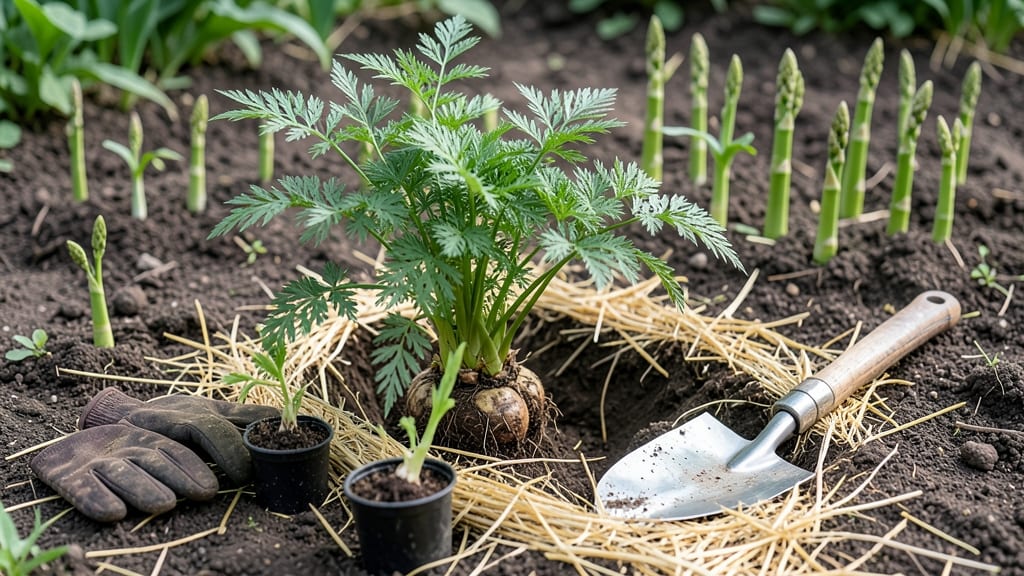
Planting asparagus in Alabama at the wrong time can mean the difference between a thriving garden and years of disappointment. The key to success lies in understanding your local microclimate—whether you're in the cooler mountains of North Alabama or the warmer coastal plains of the South.
For most Alabama gardeners in zones 7a-8b, the ideal window is late winter to early spring, between February and March, when soil temperatures rise but frost risks still linger.
This timing ensures strong root establishment before the heat of summer arrives, setting your 🌱 asparagus up for a productive harvest in spring.
But timing isn't one-size-fits-all. In North Alabama, where frosts can linger into March, planting in early February gives young crowns a head start. Meanwhile, gardeners in South Alabama might push planting into late March to avoid the humidity that can stress young plants.
The goal? Get those roots deep and stable before the real growing season kicks in.
Once you've mastered the timing, the rest is about soil prep and patience—because asparagus rewards long-term care with years of harvests. Let's break down exactly how to set your Alabama garden up for success, from soil to spears.
Best months to plant asparagus in Alabama’s 3 microclimates
Alabama’s diverse climate zones create unique challenges for asparagus growers. North Alabama’s cooler mountains (USDA Zone 7a) face late frosts, while South Alabama’s humid coastal plains (Zone 8b) have longer growing seasons.
Central Alabama (Zone 7b-8a) sits in the middle, offering a balanced window. Getting the timing right means the difference between weak spears and a bountiful harvest for decades.
Asparagus crowns need soil temperatures between 50°F and 70°F to establish strong roots before summer heat arrives. Plant too early, and frost damage risks crown rot. Plant too late, and summer’s intensity stunts root development.
Each microclimate has its own ideal planting window, but all share one rule: never plant after the last frost date in your area.
| Microclimate | Best Planting Month | Soil Temp Threshold | Last Frost Date | Adjustments for Early/Late |
|---|---|---|---|---|
| North Alabama (Zone 7a) | Late March - Early April | 50°F - 60°F | Mid-April | Use row covers if late frost risks |
| Central Alabama (Zone 7b-8a) | Mid-February - March | 55°F - 65°F | Late March | Extend season with mulch |
| South Alabama (Zone 8b) | January - Early February | 60°F - 70°F | Early March | Avoid summer planting |
North Alabama gardeners should wait until after the last average frost date (typically mid-April in Huntsville) to plant. The Appalachian foothills can experience sudden cold snaps, so harden off transplants if planting in late March.
In Central Alabama, where Birmingham’s climate transitions smoothly, February plantings often succeed, but soil temperatures below 50°F delay root establishment.
South Alabama’s warmer winters allow January plantings, but avoid late February starts—the humidity and heat of early spring can stress young crowns. If you’re in Mobile or Daphne, consider cool-season varieties like 'Mary Washington' for better adaptation.
Always check your local Alabama Cooperative Extension frost maps before planting, as microclimates vary even within counties.
For gardeners in transition zones (like Cullman or Auburn), split your planting: establish half the crowns in February and the rest in March. This hedges against frost risks while extending your harvest window.
Just ensure all plants are in the ground at least 4-6 weeks before summer’s peak heat—typically by early May in most regions.
Adjusting for early or late seasons requires flexibility. If you miss the ideal window, use black plastic mulch to warm soil faster in cooler zones, or provide light shade cloth in hotter areas to reduce stress.
Remember, asparagus crowns take 2-3 years to mature, so precise planting timing now pays off with decades of harvests.
One common mistake is planting based on calendar months rather than soil temperatures. Use a soil thermometer (available at garden centers) to confirm readiness. Aim for consistent 60°F+ soil temps before planting—this ensures roots establish before summer’s intensity.
In Alabama’s humid climate, warm soil also helps prevent fungal diseases that plague asparagus beds.
Finally, consider your harvest goals. Early plantings in North Alabama may yield spears 2 weeks earlier than South Alabama plantings, but South Alabama’s longer season often produces larger spears. Balance timing with your family’s preferences—whether you crave early spring harvests or prefer a prolonged summer supply.
With Alabama’s variable microclimates, the key is local knowledge. Talk to neighboring gardeners, check Alabama A&M Extension Service records, and adjust your timing each year. Once you master the perfect planting window for your corner of the state, you’ll enjoy homegrown asparagus for generations. 🌱
How to prepare Alabama soil for asparagus success (before planting)
Asparagus thrives in well-drained, nutrient-rich soil with a slightly acidic to neutral pH—ideal for Alabama’s varied climates. Before planting, focus on three critical soil conditions: proper pH, organic matter content, and drainage. Skipping these steps can lead to poor root development and reduced spear production.
Alabama gardeners often struggle with heavy clay soils in northern regions or sandy soils in coastal areas. Both extremes require amendments to create the perfect growing medium. Start by testing your soil’s pH level—aim for 6.5 to 7.5—and adjust using lime for acidity or sulfur for alkalinity.
- Test Soil pH using a kit or lab test. Alabama’s clay soils often test below 6.0—add pelletized lime (2–4 lbs per 100 sq ft) to raise pH gradually.
- Incorporate Organic Matter: Mix in 3–4 inches of compost or well-rotted manure into the top 12 inches of soil. For sandy soils, use pine bark fines to improve moisture retention.
- Improve Drainage: In clay-heavy areas, till in coarse sand or perlite to break up compaction. For raised beds, use a 50/50 mix of native soil and compost.
- Avoid Fresh Amendments: Never use fresh manure or wood chips, as they can burn roots or attract pests. Use aged compost only.
- Level the Bed: Create a slightly raised mound (4–6 inches high) to prevent water pooling, especially in low-lying Alabama gardens.
Alabama’s humid summers can lead to fungal issues if soil is too dense. To prevent this, add 1–2 inches of mulch (straw or pine needles) after planting to regulate moisture and temperature. This also suppresses weeds, which compete for nutrients.
For clay-heavy soils, consider planting asparagus in raised beds filled with a mix of topsoil, compost, and coarse sand. This mimics the well-draining conditions asparagus roots prefer. In sandy soils, add organic matter annually to retain moisture during Alabama’s hot, dry spells.
If your soil tests too acidic (below 6.0), apply pelletized lime 2–3 months before planting. For alkaline soils (above 7.5), work in elemental sulfur or peat moss to lower pH. Re-test soil after amendments to avoid overcorrecting.
Finally, avoid working wet soil, especially in Alabama’s rainy spring. Compacted soil reduces oxygen flow to roots. Wait until soil is dry enough to crumble before tilling or planting. With these steps, your asparagus will establish strong roots for a bountiful harvest in years to come 🌱.