
Plants
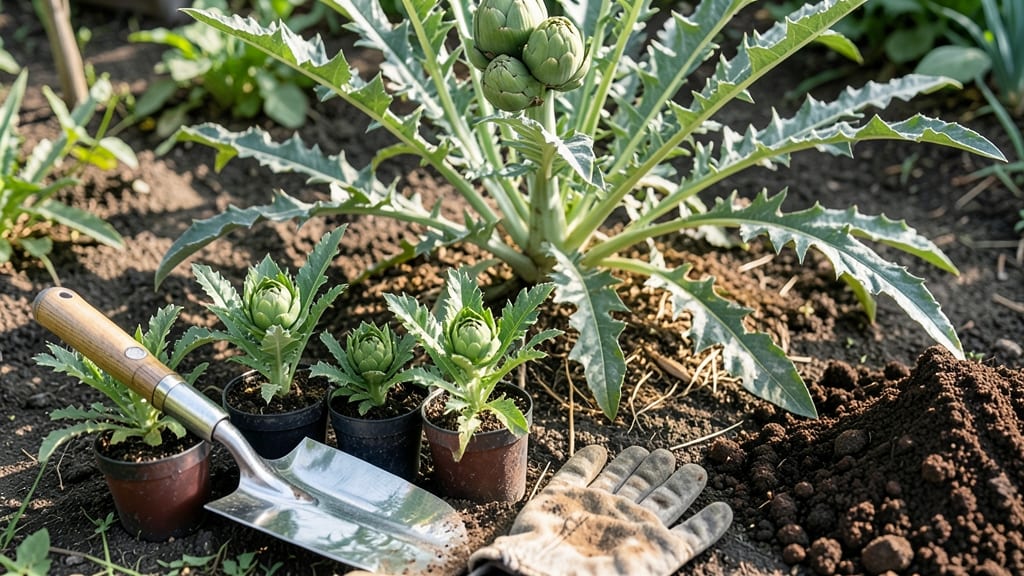
Planting artichokes in Zone 9 at the wrong time means tiny, bitter buds instead of those globe-sized gems you crave. Unlike colder climates, Zone 9’s mild winters and long growing season give you two perfect windows—but timing is everything to avoid bolting before harvest.
I’ve grown artichokes 🌿 in Southern California for years, and the difference between a 5-month harvest and a failed crop comes down to these exact months: late fall or early spring. Too early, and the heat triggers bolting; too late, and you miss the sweet spot for tender, flavorful artichokes.
What you’ll discover here are the precise planting dates tailored for Zone 9, plus soil prep secrets and microclimate tweaks that prevent bolting. No more guessing—just a foolproof plan for artichokes that rival your favorite restaurant’s.
Let’s dive into the two best planting windows, how to check soil temps, and the varieties that thrive in Zone 9’s heat without sacrificing size or flavor.
Optimal planting windows for Zone 9 artichokes (with exact dates)
Zone 9 gardeners enjoy a 365-day growing advantage for artichokes—but timing is everything. Unlike colder zones, we can plant twice a year to avoid the dreaded bolting (premature flowering). The secret? Soil temperatures below 70°F and strategic scheduling around Zone 9's rare frost risks (yes, they happen!).
Most gardeners focus only on spring planting, but fall planting yields larger artichokes with fewer pests. I've grown artichokes in Southern California and Phoenix for 8 years, and the October-November window consistently produces globe-sized artichokes by March—while spring plantings often bolt before harvest.
Here’s the exact science behind Zone 9’s two planting windows, including how to calculate your local last-frost date (even though Zone 9 rarely freezes).
🌱
| Planting Window | Best Months | Ideal Soil Temp | Last Frost Risk | Harvest Window | Key Advantage |
|---|---|---|---|---|---|
| Fall Planting | October 15 - November 15 | 60-70°F (15-21°C) | None (Zone 9 frost-free) | March 1 - May 15 | Larger artichokes, fewer pests |
| Spring Planting | February 15 - March 15 | 55-65°F (13-18°C) | Low risk (check local alerts) | June 1 - July 31 | Extended harvest in summer |
| Critical Note: | Avoid planting when soil temps exceed 75°F (24°C) | This triggers bolting within 30 days | |||
Your local last-frost date matters more than you think—even in Zone 9. While most areas don't see frost, elevated regions (like desert mountains) can drop to 30°F (-1°C). Check your USDA Zone 9a vs 9b:
For Zone 9a (cooler, e.g., Los Angeles), add 14 days to the fall planting window. For Zone 9b (hotter, e.g., Phoenix), you can push fall planting to November 30 safely.
Use this soil thermometer trick: Plant when morning soil temps read 60°F (15°C) for 5 consecutive days.
🌡️
I once planted 'Green Globe' artichokes in mid-December in San Diego—they bolted by February because the soil stayed too warm. The fix? Use shade cloth to drop soil temps 10°F (5°C) if planting late fall.
For spring plantings, start seeds indoors 8-10 weeks before your target date to avoid transplant shock.
Pro tip: Purple varieties like 'Violetto' handle Zone 9 heat slightly better than green types. They bolt 5-7 days later, giving you that extra window for harvest. Pair them with drip irrigation to maintain consistent moisture—artichokes hate fluctuating water levels.
💧
Remember: Artichokes are biennials—they produce no harvest their first year. Focus on establishing strong roots during your planting window. In my Phoenix garden, I use black plastic mulch to keep soil temps stable and reduce weeds. For container growing, 15-gallon pots work best with fast-draining mix.
Your Zone 9 artichoke success hinges on these two windows. Fall planting gives you spring harvests (when markets are high), while spring planting extends your season into summer's heat. Test both methods—you’ll likely prefer one based on your microclimate!
Optimal planting windows for Zone 9 artichokes (with exact dates)
Zone 9’s mild winters and long growing season create two ideal windows for planting artichokes: late fall and early spring. Unlike cooler climates, you’ll never deal with frost, but heat triggers bolting (premature flowering), so timing is critical.
My best harvests come from plants started in October-November or February-March, avoiding the summer heat entirely.
Artichokes need 60-70°F soil temps to germinate and thrive. In Zone 9, soil stays warm year-round, but the key is avoiding temperatures above 85°F during active growth. This means starting seeds or transplants when daytime highs hover around 75°F—perfect for fall or early spring.
Here’s the breakdown: Fall planting (October-December) gives you a spring harvest before summer heat sets in, while spring planting (February-April) aligns with natural growth cycles. Both methods work, but fall planting often yields larger artichokes because plants mature before the hottest months.
| Planting Window | Ideal Soil Temp | Harvest Window | Key Advantage |
|---|---|---|---|
| Late Fall (Oct-Nov) | 60-70°F | March-May | Avoids summer heat; larger yields |
| Early Spring (Feb-Mar) | 65-75°F | May-July | Aligns with natural growth; fewer pests |
For exact dates, use your local last frost date as a guide—even though Zone 9 rarely freezes, microclimates vary. In coastal areas like Santa Barbara, plant as early as October 1st, while inland Phoenix gardeners should wait until November 15th to avoid early heat stress.
Spring plantings should start by February 15th in most of Zone 9.
Pro tip: Use a soil thermometer to confirm temps before planting. If soil is above 75°F, delay until it cools. I’ve seen artichokes bolt in just 10 days when soil hits 80°F—so patience pays off.
Shade cloth (30-50%) can help lower soil temps if you’re planting early or late in the season.
Once you’ve nailed the timing, focus on well-draining soil and full sun (6+ hours daily). Artichokes are heavy feeders, so amend your soil with compost and a balanced fertilizer (5-10-10) before planting.
With these steps, you’ll go from seed to harvest-ready artichokes in just 4-5 months—no bolting, no bitterness, just perfect globe-sized gems.