
Plants
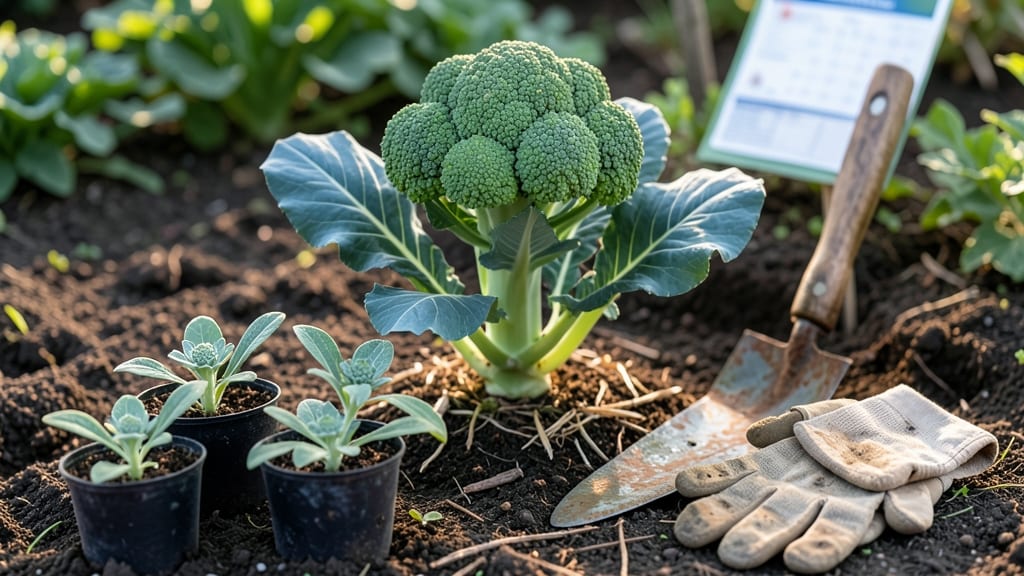
Planting broccoli 🥦 in Zone 9b at the wrong time means watching your seeds bolt into bitter, flowery disappointment instead of the tender heads you crave. The key to success?
Timing it right—when temperatures dip just enough to keep your plants cool but not cold, avoiding the summer heat that turns broccoli into a sad, early-flowering memory.
Most gardeners in Phoenix or the Southern California desert know the struggle: you drop seeds in May, and by July, your broccoli is already sending up those yellow flowers you definitely don’t want.
The solution? Two perfect windows: October-November for a winter harvest, or February-March to beat the heat. But here’s the catch—your exact microclimate matters more than the calendar.
I’ll show you how to read your local conditions like a pro, from soil temps to shade needs, so you can plant with confidence. No more guessing games or wasted seeds—just a steady stream of those big, flavorful heads you’ve been dreaming of.
Let’s get those broccoli crowns growing the right way.
Whether you’re working with containers or a full garden bed, we’ll cover everything from soil prep to post-planting care. By the end, you’ll know exactly when to stick those seeds in the ground—and how to keep them happy until harvest. Ready to grow broccoli the smart way?
Optimal planting months for broccoli in Zone 9b: avoiding bolting with microclimate adjustments
In Zone 9b, where summer temperatures can soar to 100°F+, broccoli requires cool-season precision to avoid bolting—the process where plants prematurely flower and become bitter. The key is timing your plantings to align with soil temperatures below 75°F and daytime highs under 85°F.
Without this, your broccoli will bolt within 2-3 weeks, ruining your harvest.
Most gardeners in Zone 9b focus on fall planting (October-November) as the safest window, but spring plantings (February-March) can also work if you adjust for microclimates.
Urban areas like Phoenix may need shade adjustments, while coastal regions like San Diego can extend windows slightly due to moderating ocean breezes.
🚨 CRITICAL FACTOR: Soil temperature must stay below 70°F for broccoli to thrive. Use a soil thermometer to monitor—plant only when readings consistently show 60-68°F at 4-inch depth. In Zone 9b, this typically means avoiding April-July plantings unless you’re using shade cloth or drip irrigation to cool roots.
Here’s your Zone 9b broccoli planting timeline, accounting for microclimate shifts:
| Planting Window | Ideal Soil Temp (°F) | Daytime Highs (°F) | Microclimate Adjustments | Harvest Window |
|---|---|---|---|---|
| Late September | 65-70°F | 80-85°F | Shade cloth (30%) for afternoon sun | December-February |
| October-November | 60-68°F | 70-80°F | Best window; minimal adjustments | January-April |
| February-March | 62-70°F | 75-82°F | Use shade cloth (50%) by April | May-June (risky) |
| April (High Risk) | >75°F | >90°F | Only for heat-tolerant varieties (e.g., 'Belstar') with 70% shade | July-August (poor yield) |
For spring plantings, start seeds indoors in January to transplant by mid-February. This gives seedlings a head start before March’s warming trends.
If you’re in a desert microclimate (e.g., Phoenix), pair spring plantings with drip irrigation set to run early morning and late evening to keep soil temps stable.
💡 PRO TIP: Calculate your local microclimate shifts by tracking 3 years of planting data. Note when soil temps hit 70°F—this is your bolting threshold. In my Zone 9b garden, this typically occurs mid-April, so I stop spring plantings by March 15th to avoid stress.
Use a shade thermometer to monitor leaf temps; broccoli bolts when leaves exceed 85°F.
Another critical adjustment is succession planting.
In Zone 9b, you can squeeze in two harvests by planting:
- First batch: Late September (harvest December-February)
- Second batch: Early February (harvest April-May) Space seeds 18 inches apart and thin to 24 inches for airflow—poor ventilation accelerates bolting in hot microclimates.
🌱 VARIETY MATTERS: Not all broccoli tolerates Zone 9b’s heat.
Opt for heat-resistant varieties like: - ‘Belstar’ (slow to bolt, compact heads) - ‘Calabrese’ (classic but needs shade in summer) - ‘De Cicco’ (Italian heirloom, slightly more heat-tolerant) Avoid ‘Waltham 29’—it bolts at the first sign of 75°F soil temps.
Finally, soil prep makes or breaks your Zone 9b broccoli. Amend beds with 2 inches of compost and 1 inch of worm castings to improve moisture retention—dry soil triggers bolting faster than heat. Mulch with straw (not wood chips) to keep roots 5-10°F cooler during daytime highs.
How to extend broccoli’s growing season in Zone 9b: shade cloth, succession planting, and heat-tolerant varieties
Zone 9b’s relentless summer heat turns broccoli into a bolting disaster—but with the right strategies, you can stretch your growing season and enjoy harvests year-round. The key lies in heat management, variety selection, and smart planting schedules that keep your plants cool and productive.
I’ve grown broccoli in Phoenix and Southern California for years, and these methods have saved my crops from early flowering.
First, shade cloth is your best friend during those scorching afternoons. A 30-50% shade cloth reduces soil and air temperatures by 10-15°F, giving your broccoli the cool conditions it craves.
Install it permanently over your planting area or use movable frames to cover plants only during peak heat (12 PM–4 PM). Pro tip: White or silver cloth reflects more heat than black, so opt for lighter colors.
Next, succession planting ensures a steady supply of fresh broccoli without overwhelming your space. Instead of planting all at once, stagger seeds every 2-3 weeks from late August through November.
This way, as one batch matures, another is just getting established—no gaps in harvests and minimal bolting risk. For example, plant one row in late August, another in early October, and a final row in mid-November for winter harvests.
Not all broccoli varieties handle Zone 9b’s heat equally. Heat-tolerant varieties like ‘Belstar’, ‘Calabrese’, or ‘Green Magic’ thrive in warmer conditions and resist bolting better than standard types. These varieties can handle temperatures up to 80°F without stress, making them ideal for spring and fall plantings.
Always check seed packets for “heat-tolerant” labels—it’s worth the extra effort!
Another game-changer? Mulching with straw or wood chips. A 3-4 inch layer keeps soil temperatures 5-10°F cooler and retains moisture, reducing the need for frequent watering. Plus, it suppresses weeds and feeds the soil as it breaks down.
For container growers, black plastic mulch absorbs heat and warms roots slightly—only use this in cooler months to avoid overheating.
Finally, watering deeply in the morning (before 8 AM) prevents stress that leads to bolting. Broccoli needs 1-2 inches of water per week, but daily shallow watering encourages weak roots. Instead, soak the soil every 2-3 days and let it dry slightly between waterings.
A drip irrigation system delivers water right to the roots without wetting leaves, reducing fungal risks and bolting triggers.
By combining shade cloth, succession planting, heat-tolerant varieties, and proper mulching, you can extend your broccoli season well beyond the traditional fall window. My winter harvests in Zone 9b now rival those in cooler climates—all thanks to these heat-beating tactics! 🌱
- Use 30-50% shade cloth during peak heat (12 PM–4 PM) to drop temps by 10-15°F.
- Plant heat-tolerant varieties like ‘Belstar’ or ‘Calabrese’ for bolting resistance.
- Stagger plantings every 2-3 weeks from late August to November for year-round harvests.
- Mulch with straw or wood chips (3-4 inches) to cool soil and retain moisture.
- Water deeply in the morning (1-2 inches/week) with drip irrigation to avoid stress.