
Plants
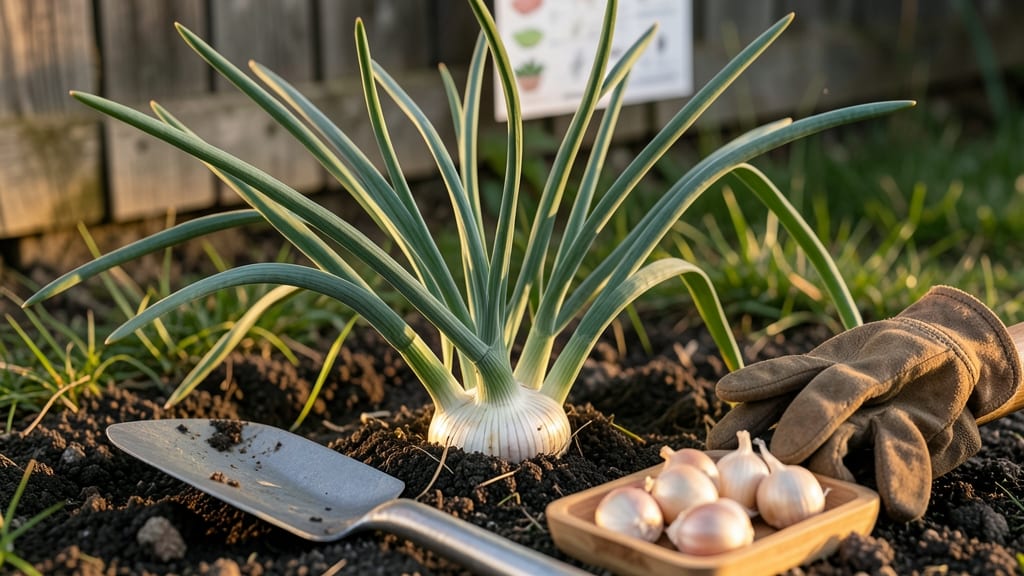
Planting garlic at the wrong time in Tennessee can mean wasted effort—and no harvest—but timing it perfectly by elevation ensures bold, flavorful 🧄 bulbs without the dreaded 'bolting' problem. The key is understanding your local climate, whether you're in the lowlands, piedmont, or mountains, where frost dates shift dramatically.
Most Tennessee gardeners know fall planting is ideal, but the exact window matters. For 6a-8a zones, aim for October to November—before the ground freezes—to give roots time to establish. Spring planting is possible, but it’s riskier unless you’re in higher elevations where winters are colder.
Why does elevation change everything? Higher up, like in the Appalachians, garlic can handle later planting, while lowland areas near Nashville need earlier starts. I’ll break down the exact months for each region so you can avoid common mistakes that lead to poor yields.
Ready to grow plump, flavorful garlic? Let’s dive into the precise planting schedule that works for Tennessee’s unique climate—no guesswork, just results.
Tennessee garlic planting calendar by elevation: months and zones
Tennessee’s diverse elevations—from lowland valleys to mountain ridges—create three distinct garlic planting zones. Each requires a tailored schedule to avoid premature bolting or frost damage. Let’s break down the exact planting windows for your region.
First, identify your elevation range: lowland (0-1,000 ft), piedmont (1,000-2,000 ft), or mountain (2,000+ ft). These zones dictate your last frost dates and ideal soil temperatures for planting.
For lowland Tennessee (USDA Zones 7b-8a), like Memphis or Nashville, your planting window stretches from late September to mid-November. This gives garlic enough time to establish roots before winter’s chill sets in.
In the piedmont region (Zones 6b-7a), such as Chattanooga or Knoxville, aim for mid-October to early November. Cooler nights here mean slightly earlier planting to prevent winter kill.
Mountain areas (Zones 5b-6a), including the Smoky Mountains, demand earlier action: September 15 to October 15. Shorter growing seasons here require garlic to overwinter quickly and emerge early.
🌱 Pro Tip: Use a soil thermometer to confirm 40-50°F soil temps before planting—this is your green light for success.
| Elevation Zone | USDA Zone | Planting Window | Soil Temp Goal | Key Variety |
|---|---|---|---|---|
| Lowland (0-1,000 ft) | 7b-8a | Late Sept - Mid-Nov | 40-50°F | Silverskin (softneck) |
| Piedmont (1,000-2,000 ft) | 6b-7a | Mid-Oct - Early Nov | 40-50°F | Rockville (hardneck) |
| Mountain (2,000+ ft) | 5b-6a | Sept 15 - Oct 15 | 40-50°F | Chesnok Red (hardneck) |
Spring planting is risky in Tennessee but possible in Zone 8a areas (e.g., Memphis) if you plant February 15-March 1. This method skips winter dormancy, but bulbs will be smaller and less flavorful.
Regardless of elevation, avoid planting after November 15—this delays root establishment and increases bolting risk when spring arrives. Use a moon planting calendar for extra precision, aiming for the waxing moon phase.
🌿 Key Takeaway: Tennessee’s elevation dictates your planting deadline. Mountain gardeners plant earliest, while lowlanders have until mid-November—plan accordingly to avoid bolting and ensure bold, flavorful bulbs.
How to time garlic planting for zero bolting: pro tips for Tennessee growers
Timing garlic planting in Tennessee isn’t just about the calendar—it’s about understanding soil temperatures and moon phases to prevent bolting. Bolting happens when garlic senses warm soil too early, sending up flower stalks instead of bulbs.
In Tennessee’s humid climate, this risk spikes if planted too late in fall or too early in spring.
For fall planting (the preferred method), aim for when soil temps drop to 50-60°F. In lowland areas like Nashville, this means mid-October, while mountain regions like the Smokies can wait until late October or November. Use a soil thermometer to check—this small tool saves hours of guesswork.
🚨 CRITICAL WARNING: Planting garlic when soil temps exceed 60°F triggers bolting. In Tennessee’s piedmont region, this can happen as early as September if summer lingers. Always test before planting—your harvest depends on it.
Tennessee’s humidity and late heat waves create perfect conditions for bolting. Avoid planting garlic in these high-risk scenarios:
- 🌡️ Soil temps above 60°F at planting
- 🌱 Planting after October 15 in lowland zones
- 🌬️ Spring planting before February 15 (unless mountain zone)
Pro Tip: Mulch with straw after planting to insulate roots and prevent temperature spikes.
Moon phases also matter—planting during a waning moon (after the full moon) encourages root growth. Tennessee gardeners swear by this for hardneck varieties, which need deep roots to survive winter. Mark your calendar for the next waning moon in October and have your cloves ready.
If you’re planting in spring (only recommended for mountain zones), time it for late February to early March—just before the last frost. Spring-planted garlic won’t have time to fully mature in Tennessee’s short growing season, but it’s a backup for missed fall plantings.
Use softneck varieties like Silverskin for better yields.
One final pro tip: Break bulbs into cloves and plant the largest cloves for bigger harvests. In Tennessee’s clay-heavy soils, mix in compost to improve drainage—waterlogged garlic rots faster than it bolts. With these adjustments, you’ll dodge bolting and grow plump, flavorful bulbs every year.