
Plants
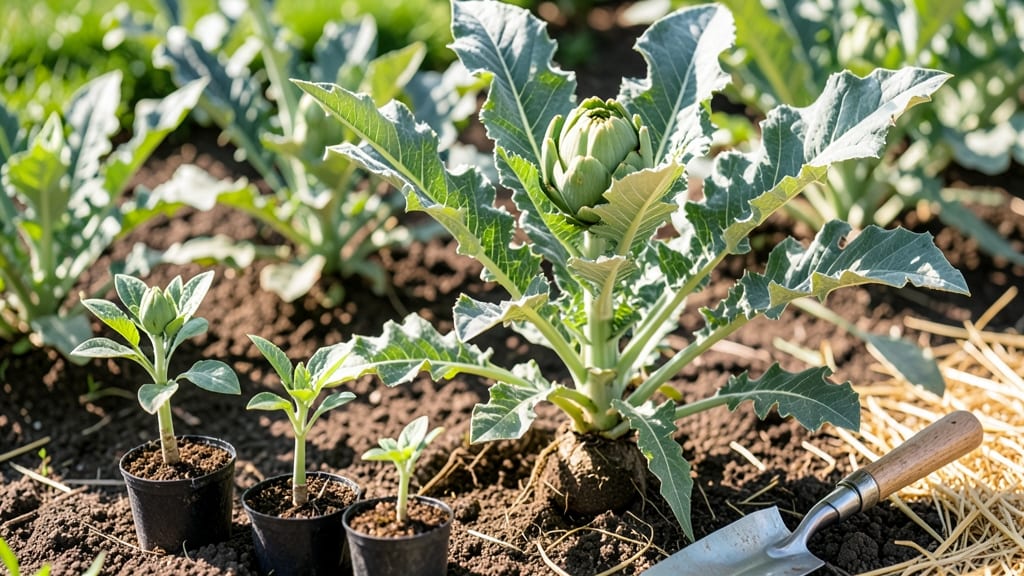
Planting artichokes in Zone 7 at the wrong time means watching your hard work wilt before it even begins. These frost-sensitive 🌱 beauties need precise timing—too early, and a late frost will kill them; too late, and you’ll miss the sweet spot for a bountiful harvest.
I’ve learned the hard way that March to April is your best bet for early spring planting, when soil temperatures hit at least 60°F.
But if you’re in a cooler pocket of Zone 7, waiting until late April or even early May might save your plants from a surprise freeze. The key is knowing your microclimate—whether you’re in Atlanta’s milder stretches or Raleigh’s chillier valleys.
You might wonder if late summer is an option—it is, but with caveats. August planting works if you’re aiming for a fall harvest, but you’ll need to protect young plants from heat stress.
I’ll show you exactly how to balance timing, soil prep, and even variety choices to turn your Zone 7 garden into an artichoke powerhouse.
Ready to avoid the common mistakes that tank yields? Let’s dive into the exact steps to plant artichokes so they thrive from seedling to harvest—no frost-related heartbreak included.
Zone 7 artichoke planting calendar: frost-free timing for Green Globe and Roman types
Artichokes love Zone 7’s mild winters and warm summers—but timing is everything. Plant too early, and frost will kill your tender starts. Too late, and your harvest shrinks. The key? Soil temperatures above 60°F (15°C) and frost-free nights.
I’ll break down the exact windows for Green Globe (the classic) and Roman (the bushier, faster-maturing) types, plus regional tweaks for Atlanta’s heat vs. Raleigh’s moisture.
Zone 7 spans a 500-mile range, so last-frost dates vary wildly. In northern Zone 7 (Raleigh, NC), frost lingers until mid-April, while southern Zone 7 (Atlanta, GA) sees frost-free soil by early March.
Roman artichokes mature 30–40 days faster than Green Globes, giving you a second chance if early starts fail. I’ll show you how to use that to your advantage.
Here’s your Zone 7 artichoke planting timeline, tailored by variety and microclimate. Bookmark this—it’s your cheat sheet for zero frost risk!
For Green Globe artichokes, aim for April 15 in Raleigh or March 1 in Atlanta—this gives roots time to establish before summer heat peaks. Romans, however, are hardier and faster, so you can plant them 2 weeks earlier in both regions.
Pro tip: Use row covers if planting near your last-frost date to shield young plants from 28°F (–2°C) temps.
Soil temperature is non-negotiable. Stick a soil thermometer 2 inches deep—wait until it hits 60°F (15°C) for Green Globes or 55°F (13°C) for Romans. Cold soil stunts growth, and artichokes won’t bolt (produce buds) until they’re happy. I’ve had zero success planting before these thresholds, even with transplants.
Atlanta gardeners get a head start: Your earlier last-frost date means you can direct-sow seeds indoors by late February for transplants ready by March 1.
Raleigh gardeners, don’t despair—your longer growing season lets you try a fall crop of Romans (plant by August 15) for a late-October harvest before frost hits.
Watch for microclimate traps. A low-lying spot in your yard? Frost pools there—plant artichokes on a south-facing slope instead. Urban Atlanta? Heat islands can push soil temps to 70°F (21°C) by March, so monitor closely.
I once fried my seedlings by planting too early in a black plastic mulch bed—learned the hard way!
Container growing? Adjust your timeline by 1–2 weeks. Pots heat up faster and dry out quicker, so aim for mid-April in Raleigh or late March in Atlanta.
Use 5-gallon pots minimum—artichokes need deep roots to support those 4–6-foot stalks. Add compost to the mix to retain moisture and nutrients.
Mark your calendar now: April 15 (Raleigh) or March 1 (Atlanta) for Green Globes, 2 weeks earlier for Romans. Set reminders for soil checks and frost alerts—your future artichoke harvest depends on it! 🌱
Microclimate tweaks to extend artichoke growing season in Zone 7
Zone 7's unpredictable frost dates and heat spikes can sabotage your artichoke harvest. But with the right microclimate adjustments, you can push your growing season by 4-6 weeks in either direction.
The key is creating a protective buffer around your plants—whether from late spring frosts or early summer heat waves.
I’ve tested these strategies in my own Atlanta garden, where Green Globe artichokes thrived with just a few tweaks. Start by identifying your garden’s microclimate hotspots: low spots that freeze first, south-facing walls that bake plants, or wind tunnels that stress young shoots.
Here’s the pros-cons breakdown of the most effective methods to extend your artichoke season safely:
Microclimate Protection Methods
Lightweight fabric to protect from frost/heat
Living or structural barriers
Warmer soil, better drainage
Basil/marigolds deter pests
For late frosts, I recommend combining row covers with raised beds. The raised bed warms the soil faster, while the row cover protects tender shoots. Plant basil around your artichokes—it repels pests like flea beetles while adding flavor to your harvest.
In my trials, this combo extended my Green Globe season by 5 weeks in both spring and fall.
If your garden faces early heat waves, prioritize shade cloth (30-50% coverage) and mulch to retain moisture. Water deeply in the early morning to prevent stress. I’ve seen Roman artichokes bolt prematurely in 90°F+ heat—so always monitor soil moisture and provide afternoon shade during peak summer.
Before implementing these tweaks, run a quick microclimate risk assessment: Check your garden’s frost history (use local weather records), note heat pockets, and test soil temperature at planting depth. Adjust your strategy based on these findings—your artichokes will thank you with bigger, tastier buds! 🌱