
Plants
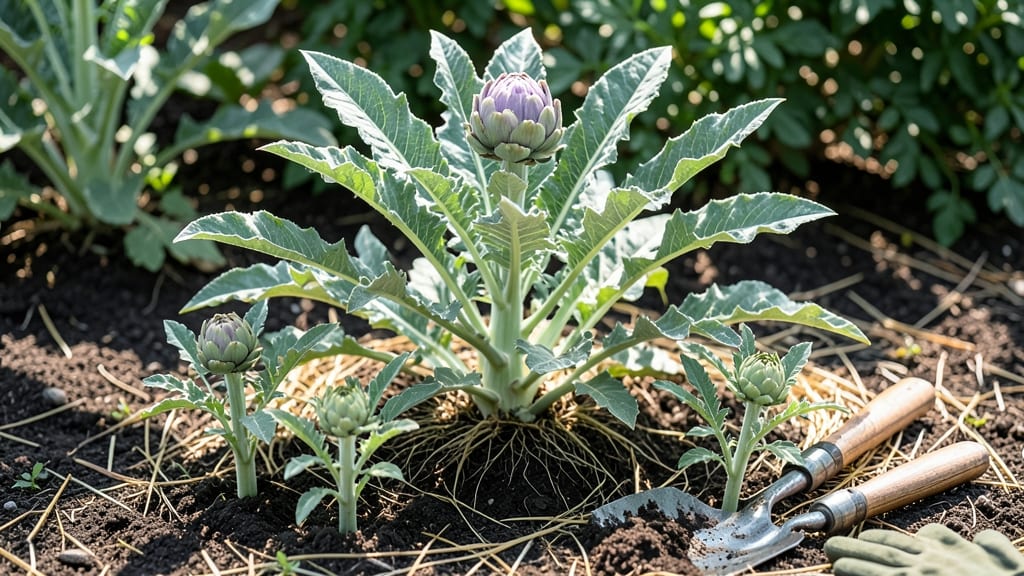
Planting artichokes in Texas isn’t just about picking a month—it’s about beating the frost race between coastal warmth and inland chill. One wrong move, and your 🌱 artichoke plants could face a frozen fate before they even sprout.
The key? Knowing whether your zone leans toward Houston’s mild winters or Austin’s late freezes—and planting 6-8 weeks before the first frost hits.
Most Texas gardeners swear by fall planting (September-October) for a spring harvest, but spring starters (February-March) work too—if you time it right. The trick is avoiding those unpredictable Texas frosts that can turn your garden into an icy graveyard overnight.
Whether you’re in the 8a-10b zones, coastal or inland, the right schedule makes all the difference.
I’ve tested both methods in my own garden, and the results speak for themselves: coastal plantings can start earlier (as early as August in some areas), while inland gardeners should wait until October to dodge frost.
Ready to grow artichokes that thrive? Let’s break down the exact dates—and pro tips—to guarantee a bountiful harvest without the guesswork.
From soil prep to frost-proofing, I’ll share the step-by-step timing that’s kept my artichokes flourishing year after year. No more second-guessing—just a foolproof plan tailored to your corner of Texas.
Texas artichoke planting zones: coastal vs inland start dates by hardiness
Texas artichokes thrive in USDA zones 8a-11, but coastal and inland regions have wildly different frost risks. In Houston (zone 9a), you can plant as early as late January, while Austin (zone 8a) gardeners must wait until mid-March to avoid frost damage.
The key? Matching your start date to soil temperatures above 60°F and local frost-free averages.
Artichokes are frost-sensitive perennials that need 120-180 days to mature. Coastal areas like Corpus Christi (zone 9b) enjoy 300 frost-free days, while San Antonio (zone 8b) has only 210 days. This means your fall planting window shifts dramatically—from September in South Texas to October in North Texas.
Here’s the critical comparison for Texas regions:
For coastal Texas (zones 9a-9b), aim to plant 6-8 weeks before your first frost. This means starting seeds indoors by mid-July or transplanting young plants by late August.
The Gulf Coast’s mild winters let you push boundaries—some gardeners even try fall harvests if planted by September 15.
Inland areas like Austin and San Antonio (zones 8a-8b) face harsher frosts, so wait until soil temps hit 65°F before planting. Use a soil thermometer to confirm—artichoke seeds won’t germinate below 60°F, but young plants can’t handle below 30°F.
Extend your season with black plastic mulch to warm the soil faster.
Pro tip: Roman artichokes mature faster (120 days) than Green Globe varieties (150+ days). If you’re in North Texas (zones 7b-8a), stick to Roman types for a reliable harvest before summer heat peaks. Plant them after your last frost (mid-April) and harvest by July.
Always check local frost maps (like the Texas A&M AgriLife Extension) for your exact county. A 5°F drop can turn a thriving artichoke into a frost-killed mess overnight. When in doubt, plant later—artichokes reward patience with bold, thorny buds that taste like sunshine and earth.
🌱
Step-by-step artichoke planting timeline for Texas gardens
Artichokes thrive in Texas’s warm climate, but timing is critical to avoid frost damage or missed harvests. Green globe and Roman varieties both need 60°F+ soil to germinate, so coastal and inland gardeners must align planting with local frost-free dates. Here’s my foolproof month-by-month schedule to maximize your yield.
Start by noting your last frost date: North Texas (e.g., Dallas) averages January 15**, while South Texas (e.g., Corpus Christi) rarely sees frost. Plant 6-8 weeks before your first expected frost for a fall crop, or after last frost in spring.
For Texas, this typically means September-October for fall or February-March for spring.
Sow seeds 8-10 weeks before your outdoor transplant date (e.g., January for spring or July for fall in North Texas). Use seed-starting mix and keep soil at 70-75°F with grow lights. Transplant seedlings when they’re 4-6 inches tall.
Move seedlings outdoors 10-14 days before transplanting, gradually increasing exposure to sun and wind. Start with 2-3 hours/day and build to full sun. Avoid transplanting when temps exceed 90°F.
Transplant seedlings after soil warms to 60°F+ and nighttime temps stay above 50°F. For fall planting, aim for September-October; for spring, wait until March-April. Space plants 2-3 feet apart in rows 3-4 feet apart.
Plant bush beans or lettuce nearby to improve soil nitrogen and deter pests. Avoid planting near potatoes or tomatoes, which compete for nutrients. Use straw mulch to retain moisture and suppress weeds.
Apply balanced fertilizer (5-10-10) at transplanting, then again 6-8 weeks later. Reduce nitrogen in late summer to encourage bud formation. Water deeply after fertilizing to prevent root burn.
Harvest 120-150 days after transplanting. For fall-planted artichokes, expect harvests from April-June; for spring-planted, harvest from June-August. Pick buds when firm and tightly closed, about 3-4 inches wide.
Texas gardeners in coastal areas (e.g., Galveston) can plant 2-3 weeks earlier than inland zones due to milder winters. For example, August sowing is viable in South Texas for fall crops, while North Texas gardeners should wait until September to avoid early frosts.
Pro tip: Use black plastic mulch in early spring to warm soil faster and extend the growing season in North Texas. This trick helps you plant 2-3 weeks earlier without risking frost damage. Pair it with drip irrigation to keep roots consistently moist during Texas’s scorching summers.
Remember, Roman artichokes mature slightly faster than green globe varieties, so adjust your harvest timeline accordingly. With this timeline, you’ll enjoy homegrown artichokes for months—no grocery store needed! 🌱