
Planting
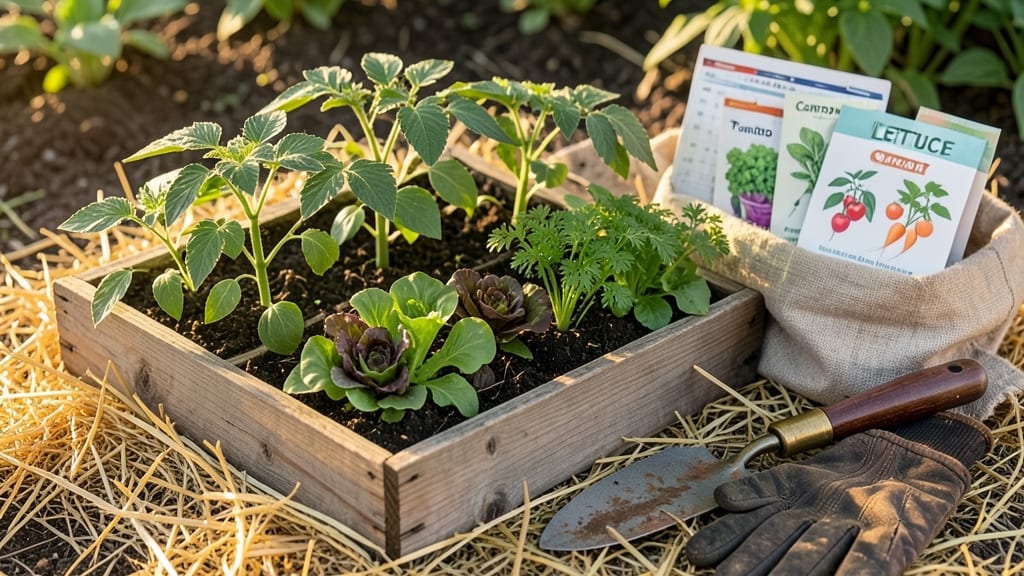
Planting a vegetable garden in Northern California at the wrong time can mean the difference between a thriving harvest and lost seeds to frost—or worse, bolting before you even get to taste your homegrown tomatoes.
The coastal fog delays spring starts by weeks compared to inland valleys, so timing isn’t one-size-fits-all.
I’ve spent years growing vegetables across USDA Zones 9 and 10, and the key is knowing when to start seeds indoors, when to direct-sow, and how to adjust for microclimates like the Bay Area’s chill versus Sacramento’s heat.
Whether you’re planting lettuce in March or tomatoes in May, the right schedule keeps your garden productive all season.
Let’s break down the exact planting windows for your region—because getting it right means fewer failures and more homegrown meals on your table. Ready to turn your garden dreams into reality?
From coastal broccoli to inland peppers, I’ll show you how to align your planting with Northern California’s unique growing conditions. No more guessing—just proven strategies for a garden that delivers.
Northern California planting zones: coastal vs inland start dates by month
Northern California’s USDA Zone 9 (coastal) and Zone 10 (inland) create dramatic differences in planting schedules. Coastal areas like San Francisco experience fog delays and cooler soils, while inland valleys like Sacramento can plant 4-6 weeks earlier thanks to warmer temperatures.
Understanding these differences prevents frost damage and bolting in heat-sensitive crops.
For warm-season crops like tomatoes and peppers, coastal gardeners wait until mid-April when soil reaches 60°F, while inland gardeners start in early March. Cool-season crops such as lettuce and broccoli have even wider windows—coastal areas can plant as early as September for fall harvests, while inland areas might need to wait until October to avoid premature bolting.
Here’s how to align your planting with your microclimate for maximum success:
| Crop Type | USDA Zone 9 (Coastal) | USDA Zone 10 (Inland) | Key Consideration |
|---|---|---|---|
| Warm-Season (Tomatoes, Peppers, Basil) | Mid-April to May 15 | Early March to April 1 | Soil temp must be 60°F+; coastal fog delays warming |
| Cool-Season (Lettuce, Broccoli, Kale) | September 1 to October 15 | October 1 to November 1 | Coastal areas avoid bolting longer; inland needs shade cloth |
| Root Crops (Carrots, Beets, Radishes) | March 15 to April 30 | February 15 to March 30 | Inland soils warm faster; coastal needs row covers |
| Fall Planting (Spinach, Peas, Green Onions) | August 1 to September 15 | September 1 to October 1 | Coastal first frost arrives later (Dec 15); inland by Nov 15 |
In Zone 9 coastal areas, the average last frost date is March 15, but fog-prone zones like Point Reyes can see frost as late as April 15.
Use frost cloth for early plantings. Inland Zone 10 areas like Sacramento typically see their last frost by February 15, allowing earlier starts for heat-loving crops.
For succession planting, coastal gardeners can extend harvests by planting every 3 weeks from April to July, while inland gardeners might plant every 2 weeks due to faster growth cycles. Peppers, for example, take 75-90 days to mature, so inland gardeners can squeeze in two harvests where coastal gardeners might only get one.
Monitor soil temperature with a soil thermometer—warm-season crops need 60°F+, while cool-season crops thrive at 45-65°F. Coastal soils often stay 10°F cooler than inland soils at the same time of year. Adjust planting dates based on your local microclimate, not just the zone map.
Pro tip: Use row covers or cold frames to extend coastal planting windows by 2-3 weeks. Inland gardeners should prioritize shade cloth during summer to protect leafy greens from bolting in 90°F+ temperatures. Both strategies help bridge the gap between zone-specific planting charts and real-world conditions.
Remember, fall planting is just as critical as spring. Coastal gardeners can often plant until October 15 for winter harvests, while inland areas must finish by September 15 to avoid first frost damage. Plan your fall succession plantings accordingly to enjoy fresh greens and root vegetables through winter.
By aligning your planting schedule with your specific coastal or inland microclimate, you’ll avoid common pitfalls like frost damage or bolting and enjoy a longer, more productive harvest season. Start with these guidelines, then fine-tune based on your local frost dates and soil conditions.
5 Critical factors that shift your planting schedule (beyond Zone maps)
Northern California’s USDA Zone 9-10 labels don’t tell the whole story. My San Francisco garden gets coastal fog delays, while my friend’s Sacramento plot bakes in summer heat. These microclimates can shift planting windows by 4-6 weeks—even for the same crop. Let’s decode the hidden factors controlling your schedule.
Generic planting charts assume average conditions, but real-world gardens face localized extremes. A 1,000-foot elevation gain can drop temperatures 3.5°F per 1,000 feet, while ocean breezes create coastal frost pockets. These variables override zone maps when you’re aiming for maximum yield and season extension.
Higher = cooler soil by 5-10°F. Plant cool crops 2-3 weeks earlier in mountain foothills.
Coastal fog delays spring planting by 3-4 weeks. Use row covers to warm soil faster.
Use a soil thermometer—50°F minimum for cool crops, 60°F+ for warm-season plants.
City sidewalks can make soil 10°F warmer. Plant heat-tolerant varieties like Malagueta peppers.
Use free tools like Almanac’s Garden Planner to overlay your yard’s sun/shade patterns.
Let’s tackle soil temperature first—this is the #1 factor I check before planting. A soil thermometer ($15 at garden centers) reveals when your plot is ready. For cool-season crops like broccoli, wait until soil hits 45-50°F.
Warm-season plants need 60°F+—my Sacramento garden hits this by early March, while San Francisco’s takes until April.
Next, consider elevation shifts. If you’re gardening in the East Bay hills, temperatures drop 5°F per 1,000 feet. This means your 3,000-foot plot might plant lettuce in February while flatland neighbors wait until March. Check your elevation with Google Earth’s terrain tool to adjust schedules.
For coastal gardeners, ocean breezes create a fog belt that delays spring. My Marin County friends plant tomatoes in May when inland areas start in April. Use black plastic mulch to warm soil 5-7°F faster—this trick saved my early pepper crop last year.
Don’t overlook urban heat islands either. Concrete absorbs heat, making city gardens 10°F warmer than rural areas. I’ve seen San Jose sidewalks hit 95°F in summer—perfect for heat-loving okra but deadly for delicate basil. Plant shade-tolerant greens near buildings.
To track these factors, I rely on three free tools: the Almanac’s Garden Planner (for frost dates), NOAA’s Climate Tool (for local weather patterns), and my soil thermometer. Combine these with neighbor comparisons—ask long-time gardeners in your microclimate for their proven schedules. 🌱