
Trees
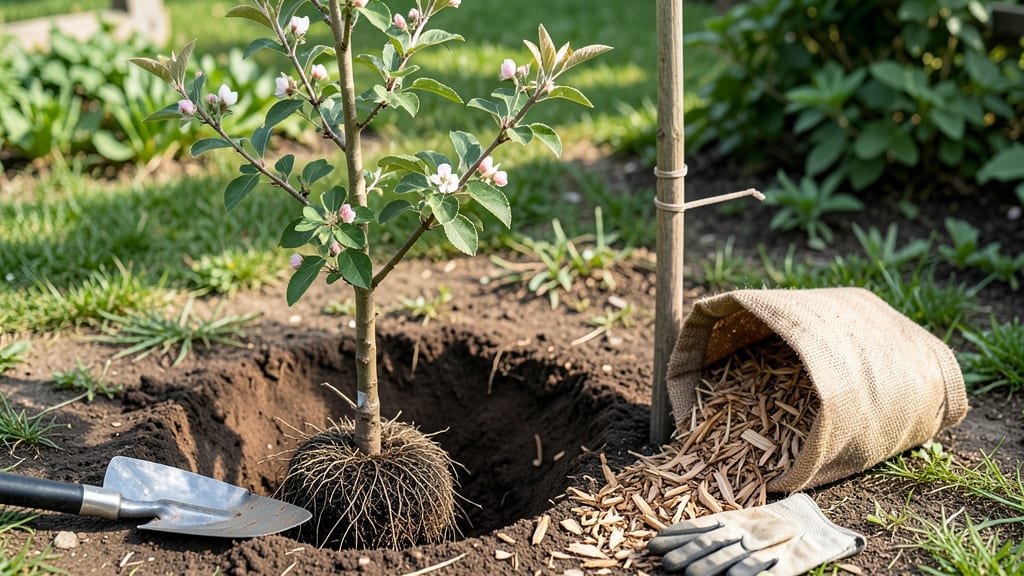
Planting an apple tree in South Carolina isn't just about digging a hole—it's about timing it right to beat the heat and give your 🍎 the best shot at thriving.
With zones ranging from 7a to 9a, the wrong window could mean stunted growth or even no fruit, and that’s a harvest you don’t want to miss.
Most gardeners in SC swear by late winter to early spring, but here’s the catch: coastal areas and Piedmont zones play by slightly different rules. Too early, and frost can sneak in; too late, and summer’s sweltering heat might stress your young tree before it even takes root.
I’ve seen firsthand how a well-timed planting can mean the difference between a tree that struggles and one that bursts into life. Whether you’re in Charleston’s humid coastal belt or the cooler Upstate, the key is understanding your zone’s chill-hour needs and the last frost date.
Let’s break down the exact months, soil prep secrets, and the top 5 varieties that actually thrive in SC’s climate—so you can plant with confidence and enjoy homegrown apples in just a few years.
South Carolina planting zones & chill-hour requirements for apple trees
South Carolina spans USDA Hardiness Zones 6b through 8a, creating distinct microclimates that directly impact when and how you can plant apple trees.
The state’s chill-hour requirements (the number of hours below 45°F needed for fruit production) vary dramatically—from 200-300 hours in Zone 8a to 800-1,000+ hours in Zone 6b. Choosing the wrong variety for your zone can mean poor fruit set or no harvest at all.
In Zone 6b (Upstate), traditional apple varieties like ‘Red Delicious’ or ‘Granny Smith’ thrive with their high chill-hour needs. Meanwhile, Zone 8a (Coastal Lowcountry) demands low-chill varieties like ‘Ein Shemer’ or ‘Anna’, which produce fruit with minimal winter chill.
Even within the same zone, elevation changes (like the Blue Ridge Mountains) can shift chill hours by 100-200 hours.
Here’s how chill hours align with planting windows: Trees planted in dormant season (Dec-Feb) establish roots before spring growth, while spring planting (Mar-Apr) risks heat stress in lower-chill zones. The key is matching your variety’s chill needs to your zone’s typical winter temperatures.
🌱
| USDA Zone | Avg. Chill Hours | Best Planting Window | Low-Chill Varieties | Key Consideration |
|---|---|---|---|---|
| 6b (Upstate) | 800-1,000+ | Dec-Feb (dormant) | ‘Fuji,’ ‘Gala,’ ‘Honeycrisp’ | Higher elevation = more chill hours |
| 7a (Piedmont) | 600-800 | Feb-Mar (early spring) | ‘Jonagold,’ ‘McIntosh,’ ‘Golden Delicious’ | Late frosts risk young trees |
| 7b (Midlands) | 400-600 | Mar-Apr (spring) | ‘Anna,’ ‘Dorsett Golden’ | Humidity increases disease risk |
| 8a (Coastal) | 200-300 | Feb-Mar (avoid heat) | ‘Ein Shemer,’ ‘SweeTango’ | Heat stress in summer |
For Zone 6b gardeners, I recommend planting in December or January when soils are workable but still cool. This gives roots time to establish before the 600+ chill hours kick in.
In Zone 8a, however, planting in late February or early March avoids the brutal summer heat that can stress low-chill varieties.
One common mistake is assuming all apple trees need 1,000+ chill hours. In reality, Zone 8a’s ‘Ein Shemer’ produces fruit with just 250 chill hours, making it perfect for Charleston’s mild winters. Always check the chill-hour range on your tree’s tag—it’s non-negotiable for successful fruit production.
Soil type also plays a role. Sandy soils in coastal zones dry out faster, while clay-heavy Upstate soils can waterlog roots. Amending with compost and organic matter improves drainage and moisture retention, which is critical during South Carolina’s humid summers.
A well-draining, slightly acidic soil (pH 6.0-6.5) is ideal for all zones.
If you’re in Zone 7a or 7b, consider planting two varieties for cross-pollination—most commercial apple trees need a second tree within 50 feet to produce fruit. For example, pairing ‘Jonagold’ (700 chill hours) with ‘Dorsett Golden’ (450 chill hours) ensures both trees thrive in the Piedmont’s transitional climate.
🌿
Pro tip: Use a chill-hour calculator (like the one from the Clemson Extension Service) to estimate your local chill hours. Input your elevation and nearest weather station data for the most accurate results.
This is especially helpful for Zone 7b gardeners in the Midlands, where chill hours can fluctuate wildly between years.
Finally, remember that dwarf or semi-dwarf varieties (like ‘Columnar’ or ‘Spindle’ types) adapt better to South Carolina’s heat and humidity. Their smaller size also makes them easier to protect from late
Best months to plant apple trees in SC (with local climate tips)
South Carolina’s climate throws a curveball for apple tree planting—coastal areas like Charleston have warmer winters and earlier springs, while the Upstate (Greenville, Spartanburg) can still see late frosts well into March.
The key? Planting when your tree can establish roots before the heat of summer or the chill of winter sets in.
For most of SC (zones 7b-8a), the sweet spot is late winter to early spring—between February and April. But here’s the catch: if you’re in Zone 9a (coastal areas), you might push planting into March or even early April to avoid summer’s brutal heat.
Meanwhile, Upstate gardeners should aim for February or early March to beat frost risks.
- Zone 7a (Upstate): Plant in late February to early March. Soil temps should be above 40°F but before buds swell.
- Zone 8a (Piedmont): Aim for mid-February to March. Avoid planting after mid-April—summer heat stress risks rise.
- Zone 9a (Coastal): Wait until March or early April. Coastal areas have higher humidity, so prioritize well-draining soil to prevent root rot.
- Dormant Season (Dec-Feb): Only plant bare-root trees in December or January. Keep soil moist but avoid waterlogging.
- Spring (Mar-Apr): Best for container-grown trees. Water deeply 2-3x per week for the first month to encourage root growth.
Soil prep is non-negotiable in SC’s clay-heavy soils. Before planting, amend your soil with compost or aged manure to improve drainage. Apple trees hate soggy roots, and SC’s summer downpours can turn compacted soil into a swamp. Test your soil’s pH—aim for 6.0-6.5—and add lime if needed.
One mistake I’ve seen too often? Planting in May or June because “spring is over.” Big error. Young apple trees planted in summer struggle with heat stress and poor root establishment.
If you miss the February-April window, wait until fall (October-November), but only in Zones 7a-8a—coastal areas get too warm for fall planting.
Pro tip: If you’re in frost-prone areas (like the Upstate), choose dwarf or semi-dwarf varieties like ‘Ein Shemer’ or ‘Anna.’ They establish faster and can rebound better from late frosts. And always mulch heavily—3-4 inches of wood chips—to protect roots from temperature swings.
Remember, the goal is to give your apple tree a 6-8 week head start before summer’s heat or winter’s chill kicks in. With the right timing and soil prep, you’ll be picking your first homegrown apples in just 3-5 years—and that’s a harvest worth waiting for. 🍏