
Plants
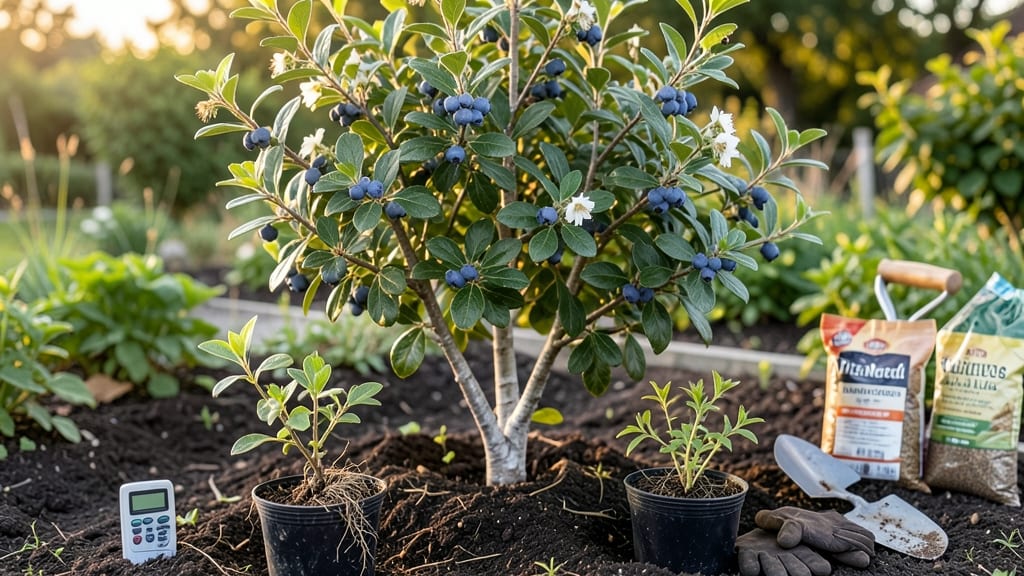
Planting blueberries in Kansas isn’t just about grabbing a bush and sticking it in the ground—it’s about timing it perfectly to beat those unpredictable late frosts and give your 🫐 bushes the chill hours they need to thrive.
If you get the timing wrong, you’ll either lose your plants to frost or miss the ideal window for strong root establishment.
But here’s the good news: with Kansas’ USDA Zones 5b-6b and a little local know-how, you can plant at just the right moment—whether you’re working with bare-root plants in spring or container-grown bushes in early summer.
I’ll break down the exact planting windows for your zone, including when to prep your soil and how to protect young plants from those sneaky April freezes. No more guessing—just a clear, step-by-step plan to get your blueberries off to a flying start.
Ready to grow a bush that’ll reward you with juicy berries from mid-July through August? Let’s dive into the details so you can plant with confidence—and avoid the common mistakes that trip up even experienced gardeners.
Best planting times for Kansas blueberries by chill-hour needs
Kansas spans USDA Zones 5b-7a, but blueberries thrive best in Zones 6-7 with proper chill hours. Most varieties need 600-1,000 chill hours to flower and fruit—critical for Kansas’ short but cold winters. Planting at the wrong time risks frost damage or poor pollination, so timing is everything.
For bare-root plants, aim for late March to early April—just before buds swell but before last frost (April 15). Container-grown bushes can wait until May-June since their roots aren’t exposed to cold. Fall planting is possible in Zone 7 (southern Kansas) but risky in colder areas.
Southern Highbush varieties (e.g., 'Duke') need 300-500 chill hours and are better for Zone 7. Half-Highbush types (e.g., 'Bluecrop') require 700-900 chill hours and suit Zones 5-6. Matching your variety to your zone avoids wasted effort.
Kansas’ unpredictable spring frosts make timing tricky. Wait until nighttime temperatures stay above 32°F for 3-5 days before planting. Use frost cloth if early blooms appear—blueberries are frost-sensitive at all growth stages.
Container planting offers flexibility. Since pots warm up faster, you can delay planting until mid-May in colder areas. Just ensure containers have drainage holes and use acidic potting mix (pH 4.5-5.5).
Soil temperature matters too. Blueberries need soil at 50°F+ to root well. Test with a soil thermometer—planting in cold soil stunts growth. In northern Kansas (Zone 6), wait until late April to avoid root rot.
🌱Pro Tip: Mulch with pine needles or peat moss after planting to maintain acidity and retain moisture. This is especially critical in Kansas’ dry summers.
| Variety Type | Chill Hours Needed | Best Kansas Zone | Planting Window | Frost Risk |
|---|---|---|---|---|
| Southern Highbush | 300-500 | Zone 7 (SE KS) | May-June | Low (warmer microclimates) |
| Half-Highbush | 700-900 | Zone 6 (N/C KS) | Late March-April | High (late frosts) |
| Northern Highbush | 800-1,000 | Zone 5 (NE KS) | Late April | Very High |
| Container-Grown | Varies by variety | All Zones | May-June | Low (protected roots) |
If you’re in Zone 6, prioritize Half-Highbush varieties like 'Bluecrop' or 'Jersey'. These handle Kansas’ chill hours well and produce reliable harvests. For Zone 7, 'Duke' or 'Peach Sorbet' (a Southern Highbush) are excellent choices.
🌿Warning: Avoid planting in clay-heavy soil common in Kansas. Amend with compost and peat moss to improve drainage. Poor drainage leads to root rot, especially in wet springs.
After planting, water deeply to settle soil around roots. Use 1-2 gallons per plant and keep soil moist for the first 4-6 weeks. Mulch with wood chips to retain moisture and suppress weeds—critical during Kansas’ dry summers.
💡Final Tip: Mark your planting date and track last frost in your area. Kansas’ frost dates vary by 1-2 weeks across the state, so local records (from Kansas State University Extension) are invaluable.
Step-by-step guide to planting blueberries in Kansas soil
Kansas soil isn’t naturally acidic enough for blueberries—these acid-loving plants need a pH between 4.5-5.5 to thrive. Without proper prep, your bushes will struggle to absorb nutrients, leading to stunted growth and poor fruit production.
The good news? With a few key adjustments, you can transform your Kansas soil into the perfect blueberry haven.
Start by testing your soil’s pH using a home test kit or sending a sample to your local Kansas State University Extension. If the pH is above 6.0, you’ll need to amend it with sulfur or peat moss—both of which lower pH over time.
Spread a 2- to 3-inch layer of composted pine bark or sphagnum peat around your planting area, then mix it into the top 12 inches of soil. This not only acidifies the soil but also improves drainage, which is critical in Kansas’ clay-heavy regions.
When to Plant Blueberries in Kansas
- 1 Late March to Early April: Plant bare-root blueberries as soon as the soil is workable (around 40°F). This gives roots time to establish before summer heat arrives.
- 2 May to Early June: Opt for container-grown blueberries if you miss the spring window. These plants handle transplant shock better in warm soil.
- 3 Avoid Fall Planting: Kansas’ unpredictable late frosts (often until April 15) make fall planting risky. Roots won’t establish before winter, leaving young plants vulnerable.
- 4 Zone 6 vs. Zone 7: In Zone 6 (northern KS), wait until after the last frost (usually April 15). In Zone 7 (southern KS), you can plant as early as late February if soil temps stay above 40°F.
Once you’ve prepped your soil, choose a sunny, sheltered spot with at least 6 hours of sunlight daily. Blueberries hate wind, so plant near a fence or building to protect them from Kansas’ strong spring winds.
Dig a hole twice as wide as the root ball but only as deep—planting too deep can suffocate the roots. Gently loosen the roots if they’re circling and position the plant so the root flare (where roots meet the stem) sits just above soil level.
After planting, water deeply to eliminate air pockets and encourage root contact with amended soil. Mulch with pine needles or wood chips to maintain acidity and retain moisture—critical in Kansas’ dry summers. Keep the mulch 2-3 inches thick but avoid piling it against the stem to prevent rot.
For the first 2-3 weeks, water daily to help roots establish, then taper to 2-3 times per week once new growth appears.
Protect young plants from late frosts by covering them with frost cloth or a lightweight row cover if temperatures dip below 28°F. In Kansas, these frosts can linger until May 1, so have your frost protection ready.
With the right timing and soil prep, your blueberries will reward you with juicy, homegrown berries by mid-July—no frost damage in sight!