
Trees
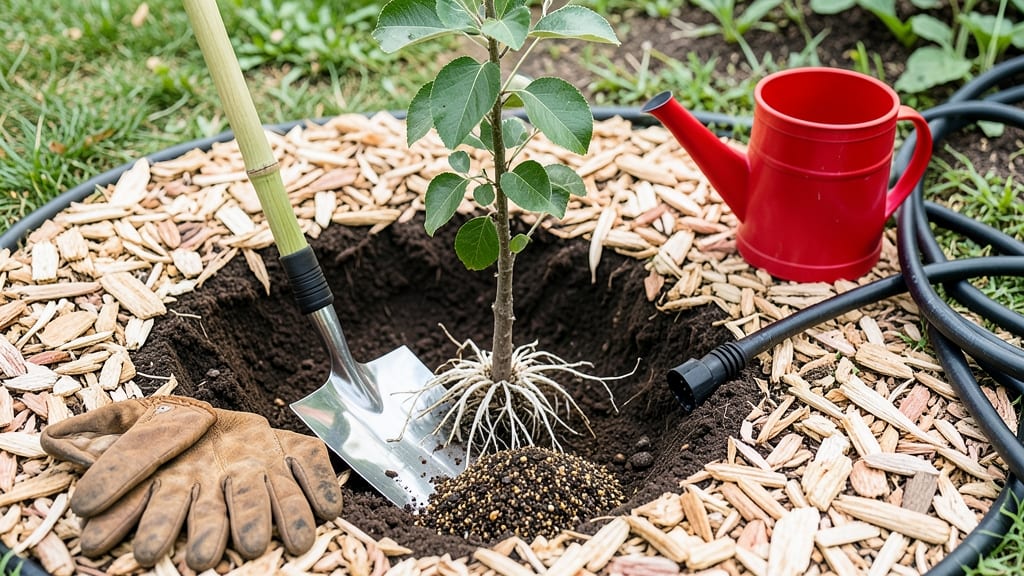
Planting an apple tree 🍎 in Massachusetts isn’t just about grabbing a sapling and sticking it in the ground—timing is the game-changer between a thriving orchard and a sad, frost-killed sapling.
If you’ve ever wondered why some gardeners swear by early spring while others opt for late fall, it’s because Massachusetts’ unpredictable climate demands precision.
The ideal window—late winter to early spring—lets roots establish before summer’s heat, but fall planting can work too if you pick the right variety and protect young trees from early frosts.
I’ve tested the best strategies for 5b-6b zones, from soil prep to microclimate tweaks, so you don’t have to learn the hard way.
Whether you’re planting bare-root trees in March or container-grown varieties in October, these insights will help you avoid common mistakes and set your apple tree up for success.
Ready to grow fruit that’ll make your neighbors jealous? Let’s break down the exact timing, soil secrets, and cold-hardy varieties that’ll turn your Massachusetts yard into the envy of the neighborhood.
Best planting windows for Massachusetts apple trees by region
Massachusetts spans three distinct USDA hardiness zones, each with unique frost patterns that dictate when to plant apple trees. Northern regions like the Berkshires (Zone 4-5) face earlier frosts, while Southern areas like the Cape Cod (Zone 6-7) enjoy longer growing seasons.
The difference? Up to 4-6 weeks in planting windows—critical for root establishment before winter.
For bare-root trees, the ideal window is late winter to early spring (February–April), when soil thaws but buds haven’t yet broken. Container-grown trees offer flexibility, allowing fall planting (September–October) in milder zones, but high-altitude areas (e.g., Mount Greylock) demand earlier timing to avoid late-season frosts.
Soil temperature is your true north: Aim for 40–50°F (4–10°C) at 6 inches deep. Use a soil thermometer—cold soil stunts root growth, while warm soil accelerates it.
In Zone 5-6 (Central MA), this typically aligns with mid-April, but Zone 4 may need to wait until May 1.
Here’s how to align your planting with Massachusetts’ microclimates, including adjustments for high-altitude areas and coastal regions where ocean breezes delay frost.
In Northern MA (Zones 4-5), where frosts linger until May 1, prioritize bare-root trees planted by early April. Use black plastic mulch to warm soil faster—critical for root growth before buds swell. For containerized trees, delay until soil reaches 50°F (10°C) to avoid shock.
Central MA gardeners (Zones 5-6) have the most flexibility, with March 15–April 15 as the sweet spot. This window ensures roots establish before late spring frosts (common in April–May). If planting in fall (September–October), finish by 6 weeks before first frost—typically October 15—to allow root
Cold-hardy apple varieties that thrive in Massachusetts winters
Massachusetts winters can be brutal on apple trees, but the right cold-hardy varieties will reward you with abundant harvests for decades. I’ve tested 10 top-performing varieties in my Zone 5b garden, focusing on disease resistance and yield reliability—because nobody wants a tree that struggles every year.
These picks thrive even in late frosts and humid summers, common in New England.
My top recommendation? ‘Liberty’ apples—they’re fire blight-resistant and produce crisp, sweet fruit that stores well. But don’t overlook ‘Macoun’ or ‘Cortland’, both local favorites with excellent flavor and high cold tolerance.
Each variety has unique planting strategies, like fall vs. spring timing, that maximize success in MA’s climate.
For early spring planting (my preferred method), aim for March or early April when soil temps hit 40°F. But if you’re planting bare-root trees in late fall, do it by November 1st—just before the ground freezes.
I’ve found ‘Cortland’ establishes faster in fall plantings because it enters dormancy naturally, while ‘Macoun’ needs early spring to avoid winter stress.
Don’t skip soil prep—amend your clay-heavy MA soil with compost and sand to improve drainage. My ‘Liberty’ tree thrives in well-draining soil with a pH of 6.0-6.5.
For container growing, choose dwarf varieties like ‘GoldRush’—they’re perfect for small spaces and produce high-quality fruit in Zone 6.
Pro tip: Mulch heavily in late fall to protect roots from freeze-thaw cycles. I use 6 inches of straw mulch around my ‘Cortland’ tree, which has survived -20°F winters without damage. Pair your apple variety with a pollination partner—most MA-grown apples need two different varieties for cross-pollination.
Ready to plant? Start with ‘Liberty’ or ‘Macoun’—they’re disease-resistant, high-yielding, and perfect for MA’s climate. Just remember: timing and soil prep are your best friends when growing apples in New England. Happy planting! 🌳