
Plants
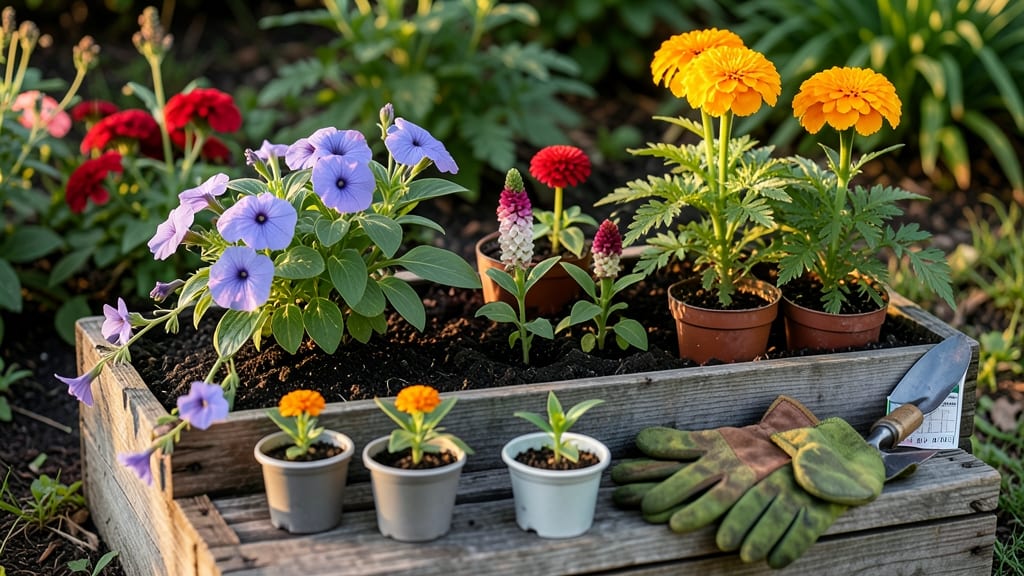
Planting annuals in Wisconsin isn’t just about grabbing seeds and sticking them in the ground—it’s about timing them just right to beat frost and maximize those vibrant blooms.
With USDA Zones 3-5 and unpredictable spring weather, knowing when to plant can mean the difference between a show-stopping garden and a sad, frost-nipped disappointment.
I’ve tested the best strategies over the years, and what works in Zone 4 Milwaukee might fail in Zone 5 Madison. Whether you’re dreaming of sunny marigolds or hardy pansies, timing is everything.
Let’s break down the exact windows for cool-season and warm-season annuals so you can plant with confidence.
Most gardeners make one of two mistakes: planting too early and risking frost damage, or waiting too long and missing peak flowering. The key is understanding your local frost dates and choosing varieties that thrive in Wisconsin’s short growing season.
In this guide, I’ll share my zone-by-zone planting schedule, plus pro tips to extend your season—because with the right approach, you can enjoy blooms from early spring through fall. Let’s get those annuals in the ground the smart way!
Wisconsin’s frost-free dates by USDA Zone: when to plant annuals safely
Wisconsin’s USDA Zones 3-5 create unique challenges for annual gardeners, with last frost dates ranging from mid-May in the north to early May in the south. These dates determine whether your pansies thrive or your marigolds wilt overnight.
Understanding your microclimate and frost-free window is key to avoiding frost damage while maximizing bloom time.
In Zone 3, gardeners face the earliest risks, while Zone 5—especially in southern counties like Dane or Walworth—enjoys a slightly longer growing season. Even within zones, elevation and proximity to Lake Michigan can shift frost dates by 1-2 weeks.
Always check NOAA frost forecasts 1-2 weeks before planting for real-time adjustments.
Hardy annuals like pansies and snapdragons can handle light frosts (down to 25°F), while tender varieties such as petunias and geraniums need 50°F+ soil to establish roots. Below is your zone-by-zone planting timeline, including heat-tolerant exceptions for Zone 5’s warmer microclimates.
Pro Tip: For Zone 5’s southern counties, plant heat-loving annuals like zinnias or cosmos 2 weeks earlier than the average last frost date—they thrive in 75°F+ soil and can handle brief summer heatwaves.
For Zone 3 gardeners, focus on cool-season annuals like pansies and snapdragons, which tolerate 25°F and bloom even in 50°F soil. Start seeds indoors in March for a head start, or use frost cloth to protect seedlings until May 15.
In Zone 4, where last frosts average May 1, prioritize early bloomers like calendula and lobelia. These thrive in 50-60°F soil and can handle brief chills. Zinnias and cosmos, however, need 60°F+ soil—wait until May 15 or use black plastic mulch to warm soil faster.
Zone 5’s southern counties (e.g., Dane, Walworth) enjoy 10-14 extra frost-free days, allowing for earlier plantings of heat-tolerant annuals. For example, marigolds and petunias can go in by April 25 if soil is 55°F+. Test soil with a thermometer—it’s the most reliable guide.
If you’re in a microclimate (e.g., near Lake Michigan or a south-facing slope), expect 1-2 weeks earlier last frosts. Use NOAA’s Local Climate Data to refine your timeline.
For example, Milwaukee (Zone 5a) often sees April 20 as its last frost, while Eau Claire (Zone 4b) may not hit May 10.
For succession planting, stagger tender annuals every 2
Best annuals for Wisconsin’s short growing season: heat-tolerant vs. cool-season plants
Wisconsin’s short growing season demands annuals that can handle both early spring chills and late summer heat. Not all flowers thrive here—some bolt in the heat, while others wilt in cool soil.
I’ve tested dozens of varieties, and these are the top performers that deliver nonstop color from May through October.
Cool-season annuals like pansies and snapdragons can handle Wisconsin’s early spring and fall frost, while heat-lovers like zinnias and cosmos shine in Zone 5’s summer. The secret? Succession planting—staggering your plantings every 2-3 weeks ensures blooms all season long.
Here’s my breakdown of the best annuals for Wisconsin, categorized by their temperature tolerance and bloom duration. Pro tip: Pair cool-season stars with heat-tolerant varieties for a 12-month garden (yes, even in winter with protection!).
🌱 Cool-Season Annuals (Plant Early or Late)
✅ Thrives at 40-75°F
🌸 Blooms: April-October
✅ Tolerates light frost
🌸 Blooms: May-October
✅ Drought-resistant
🌸 Blooms: April-November
☀️ Heat-Tolerant Annuals (Plant After Last Frost)
✅ Loves 80-95°F
🌸 Blooms: June-Frost
✅ Drought-proof
🌸 Blooms: July-October
✅ Pest-repellent
🌸 Blooms: June-Frost
For Zone 3-4 gardeners, focus on cool-season annuals and heat-tolerant varieties like zinnias—these handle Wisconsin’s shorter summers. In Zone 5, you can push the envelope with tender annuals like petunias and geraniums, but only after the last frost date (usually May 15 in Madison).
My succession planting trick: Start with pansies in April, then add zinnias in late May, and finish with cosmos in June. This creates a nonstop bloom parade from spring to fall. Just remember—water deeply during Wisconsin’s dry spells, especially for heat-lovers like marigolds.
One more tip: If you’re in a microclimate (like a south-facing wall), you can plant heat-lovers 2-3 weeks earlier. Check your local NOAA frost forecast and adjust accordingly. With the right mix, your Wisconsin garden can be a year-round showstopper—even in the Badger State’s unpredictable climate!