
Plants
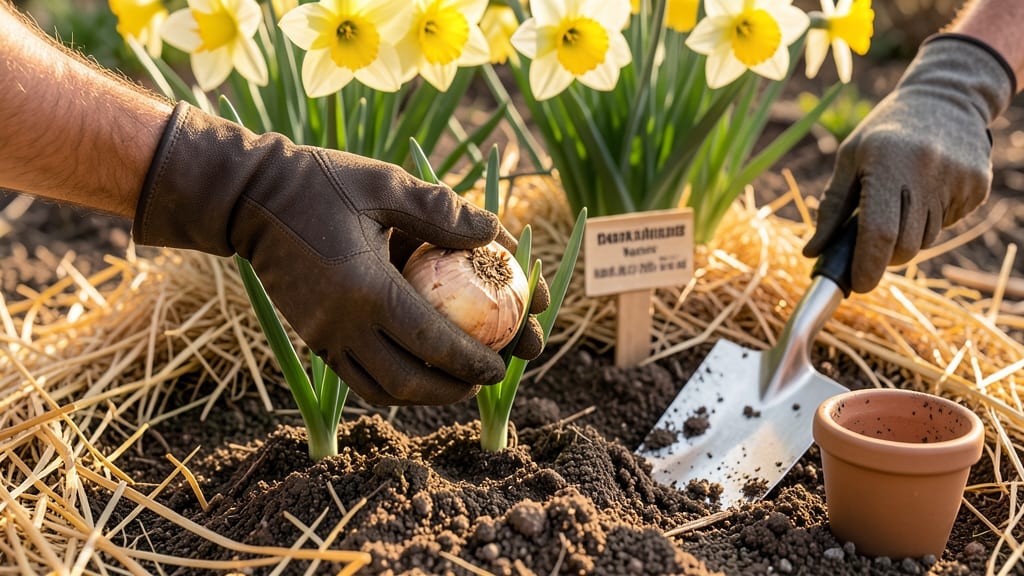
Planting daffodil bulbs at the wrong time in Michigan can mean the difference between a garden bursting with 🌼 come spring and a wasted investment.
The key to success lies in understanding your specific hardiness zone and the 6-week window before the first hard frost—usually between October and early November—when soil temps drop but the ground stays workable.
As a Michigan gardener, you’ve probably heard conflicting advice about fall planting, but the truth is simpler than you think. Daffodil bulbs need cool soil and dry conditions to establish roots before winter sets in, which is why timing matters more than anything else.
Get this right, and you’ll reward yourself with early spring blooms that brighten up even the grayest Michigan days.
I’ll walk you through exactly when to plant in your zone—whether you’re in colder Zone 5b or milder Zone 6b—plus soil prep tips to ensure your bulbs thrive. No more guessing games, just a foolproof schedule tailored to Michigan’s unpredictable frost dates.
Ready to transform your garden? Let’s dive into the perfect planting window and the simple steps that’ll have your daffodils popping up like clockwork next April.
Michigan daffodil planting calendar by hardiness Zone (with frost dates)
Timing your daffodil bulbs in Michigan is all about beating the first frost while ensuring roots establish before winter. Michigan spans USDA Zones 4-6, with Zone 4 facing earlier freezes than Zone 6.
My planting schedule accounts for these differences, so you can plant with confidence—whether you're in Detroit, Traverse City, or the Upper Peninsula.
Daffodils thrive when planted in fall (October-November), but Michigan’s unpredictable weather demands flexibility. The key is planting 4-6 weeks before ground freezes—typically mid-October to early November for most regions. If you miss fall, a late winter/early spring planting (February-March) can work, but blooms may arrive later.
Average frost dates vary by zone:
- Zone 4 (Upper Peninsula, northern Lower Peninsula): First frost October 10-20, last frost April 20-May 10
- Zone 5 (Central Michigan): First frost October 15-25, last frost April 15-May 1
- Zone 6 (Southern Michigan): First frost October 20-November 5, last frost April 1-May 15
| Zone | Ideal Planting Window | Soil Temp (°F) | Frost-Free Days After Planting | Late Planting Alternative |
|---|---|---|---|---|
| 4 | Mid-September to October 15 | 50-60°F | 8-10 weeks | February (high risk) |
| 5 | October 1-31 | 50-65°F | 6-8 weeks | March (moderate risk) |
| 6 | October 15-November 15 | 55-65°F | 4-6 weeks | March-April (low risk) |
*Soil temp and frost dates vary yearly; use a soil thermometer to confirm.
For Zone 4 gardeners, start planting mid-September to ensure bulbs root before the ground freezes. In Zone 6, you can push planting to mid-November—just cover bulbs with 3-4 inches of mulch to insulate them through winter.
Pro tip: Use a soil thermometer to confirm temps are below 50°F before mulching.
Missed the fall window? Late winter planting (February-March) is risky but possible in Zone 6. Plant bulbs 6 inches deep and keep soil moist until last frost. Expect blooms 4-6 weeks later than fall-planted daffodils. In Zone 4, skip spring planting—frost will likely kill unhardened bulbs.
Michigan’s clay-heavy soils can cause bulb rot if drainage is poor. Amend planting holes with sand or compost to improve airflow. After planting, apply 2-3 inches of mulch to retain moisture and regulate soil temps. In early spring, remove mulch to prevent soggy soil from delaying blooms.
Daffodils planted in late October often produce earlier spring blooms than those planted in early October. This is because cooler fall temps encourage root growth before winter dormancy. For maximum blooms, plant multiple varieties across a 3-week window—staggering planting dates extends your spring color display.
Watch for deer and squirrels, common Michigan pests that dig up bulbs. Plant daffodils near fences or borders where they’re harder to access, or use deer-resistant companion plants like alliums or fritillarias.
If you notice missing bulbs after planting, re-plant immediately—daffodils are perennials and will return year after year if left undisturbed.
Mark your calendar for April 15—this is Michigan’s average last frost date in most zones. By then, daffodil shoots should be 2-3 inches tall. If you see yellowing leaves before blooming, it’s often due to overwatering or poor drainage.
Adjust your care by reducing water and ensuring soil dries slightly between waterings.
For container gardening, plant daffodil bulbs in
How to prepare Michigan soil for daffodil bulbs (before and after planting)
Michigan’s clay-heavy and sandy soils can make or break your daffodil success. Poor drainage leads to bulb rot, while compacted clay stunts root growth. The key? Amending soil 4-6 weeks before planting to create a well-aerated, nutrient-rich environment.
Start by testing your soil’s pH level—daffodils thrive in slightly acidic to neutral soil (6.0-7.0).
For clay soil, mix in 2-3 inches of organic compost or aged manure into the top 12 inches of soil. This improves drainage while adding essential nutrients. Sandy soils, on the other hand, benefit from 1-2 inches of peat moss or coco coir to retain moisture and nutrients.
Both soil types will need a balanced fertilizer (like 10-10-10) to support early root development.
⚠️ WARNING: Michigan’s Wet Winters Can Drown Daffodil Bulbs
⚠️ Avoid These Soil Pitfalls
🚫 Planting in soggy soil – Michigan’s heavy rains create waterlogged conditions, causing bulb rot within weeks. Test drainage by digging a 6-inch hole and filling it with water; if it doesn’t drain in 4 hours, amend with perlite or coarse sand.
🚫 Skipping pH adjustment – Michigan’s native soils often lean alkaline (pH 7.5+). Use sulfur or pine needles to lower pH if your test results exceed 7.0. Aim for 6.0-7.0 for optimal bulb health.
🚫 Over-amending with fresh manure – Fresh manure burns bulbs and attracts pests. Always use composted organic matter or well-rotted manure to avoid damage.
Before planting, loosen the soil to a depth of 12-15 inches using a garden fork or tiller. This breaks up compacted layers and encourages root penetration. For heavy clay, consider adding 1 part perlite to 3 parts soil to improve aeration.
If your soil is sandy, incorporate 1 part peat moss to help retain moisture during Michigan’s dry spells.
After planting, apply a 2-3 inch layer of mulch (like straw or shredded leaves) to insulate bulbs from freeze-thaw cycles and retain moisture. Avoid thick mulch layers, as they can suffocate bulbs. In sandy soils, mulch also helps regulate soil temperature, preventing bulbs from overheating in summer.
Post-planting, monitor soil moisture—daffodil bulbs need consistent moisture but hate soggy conditions. Water deeply once a week if rainfall is below 1 inch. In clay soils, reduce watering slightly to prevent waterlogging, while sandy soils may need more frequent watering to keep roots hydrated.
Finally, avoid heavy foot traffic over newly planted bulbs, as compacted soil can strangle roots. If deer or rabbits are a concern in your area, consider a light wire mesh barrier until shoots emerge in spring.
With the right soil prep, your Michigan daffodils will bloom reliably for years to come! 🌼