
Planting
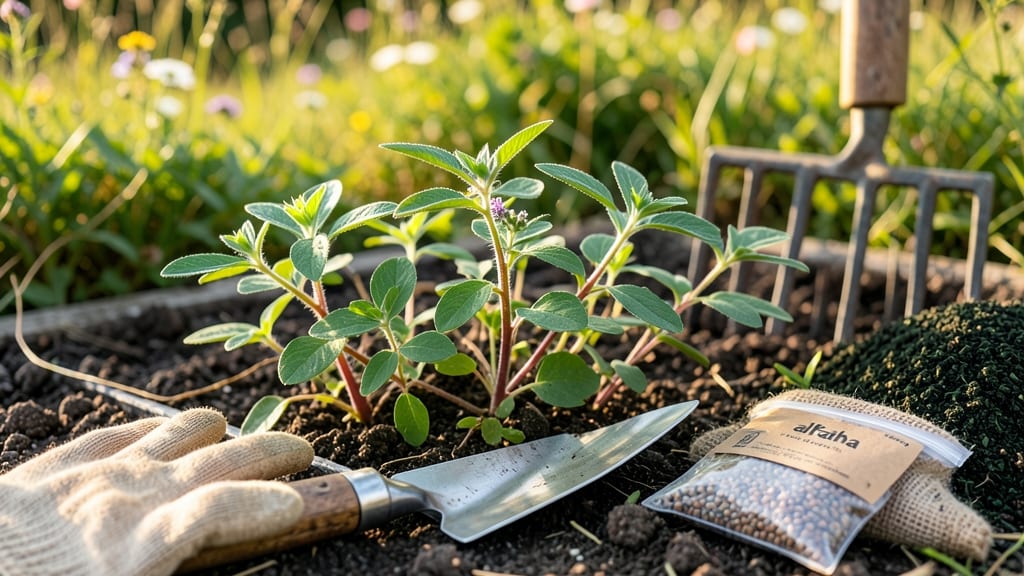
Planting alfalfa in the fall gives your 🌱 a head start for next year’s growth—but get the timing wrong, and you’ll end up with weak roots or frost damage. The key to success lies in understanding your local climate and preparing the soil just right.
For most gardeners in USDA Zone 6a and beyond, the ideal window stretches from late August through early September. This timing lets young plants establish strong roots before winter dormancy, setting them up for early spring vigor.
Why does this matter? Fall-planted alfalfa often outperforms spring plantings by avoiding summer pests and heat stress. Plus, it’s a great cover crop that improves soil health while you wait for warmer weather.
I’ll walk you through the exact steps—from soil prep to frost protection—to ensure your alfalfa thrives through winter. Let’s make sure your fall planting pays off big time next year.
Optimal fall planting window for alfalfa by USDA hardiness zones
Alfalfa thrives when planted in the 4-6 weeks before your first frost. This timing ensures roots establish before winter dormancy. In USDA Zones 3-5, aim for late August to early September.
Warmer zones (6-10) can extend planting until mid-October, but avoid planting too late—roots need time to harden off.
Soil temperature plays a critical role. Alfalfa seeds germinate best when soil stays above 60°F (15°C). In northern climates, wait until late summer when nighttime temps drop below 75°F (24°C) to prevent bolting. Southern gardeners can plant earlier, but monitor moisture levels—drought stress weakens young seedlings.
Your last frost date is your anchor. Check local climate data or use the USDA Plant Hardiness Zone Map to calculate your window.
For example, in Zone 7, plant by September 15th; in Zone 9, you might push it to October 1st. Always err on the earlier side—roots grow faster in cooler fall temps.
🌱
| USDA Zone | Optimal Planting Window | Soil Temp Threshold | Key Consideration |
|---|---|---|---|
| 3-5 | Late August - Early September | 60-70°F (15-21°C) | Frost risk; prioritize root growth |
| 6-7 | Mid-August - Mid-September | 55-65°F (13-18°C) | Balanced growth before winter chill |
| 8-10 | Late August - Early October | 50-60°F (10-15°C) | Milder winters; extend window |
📅 Pro Tip: Use a soil thermometer to verify temps before planting.
Regional microclimates matter. Coastal areas with milder winters (e.g., Pacific Northwest) can plant later than inland zones. Conversely, high-altitude gardens (e.g., Colorado) may need to plant by late July to avoid early snows. Adjust for elevation—add 1-2 weeks earlier for every 1,000 feet above sea level.
Test your soil’s drainage and pH before planting. Alfalfa prefers 6.0-7.5 pH and well-draining soil. Amend heavy clay with compost or sand to prevent waterlogging. In sandy soils, add organic matter to retain moisture for young roots. A simple percolation test (pour water and time drainage) reveals hidden issues.
Mulch after planting to insulate roots and conserve moisture. Use straw or shredded leaves (avoid wood chips—they mat down). In Zone 4 or colder, add a 4-inch layer of mulch; in warmer zones, 2 inches suffices. This protects seedlings from temperature swings and early frosts.
Fall-planted alfalfa often outperforms spring plantings because cooler temps reduce bolting (premature flowering). Seedlings grow roots first, storing energy for early spring regrowth. Monitor for aphids or spider mites—common fall pests—and treat with neem oil if needed.
A light frost (28-32°F) won’t harm established roots but can damage tender shoots.
🌿
Optimal fall planting window for alfalfa by USDA hardiness zones
Timing your alfalfa planting in the fall depends heavily on your USDA hardiness zone. The goal is to give seeds enough time to germinate and develop 4-6 inches of roots before the ground freezes.
In Zone 6a, where I garden, late August to early September is ideal—but adjust for colder or warmer climates.
For Zones 3-5, aim to plant by mid-August. These northern regions have shorter growing seasons, so early planting ensures roots establish before winter. In Zones 7-10, you can push planting into early October, as milder winters allow more time for root growth.
Soil temperature is your best guide: seeds need soil that’s at least 60°F (15°C) for germination. Use a soil thermometer to check—if temps dip below this, wait a week or two. Cold soil slows germination, leaving young plants vulnerable to frost.
Here’s how to adjust for your zone, with frost-free days as your benchmark. For example, in Zone 6a, with about 165 frost-free days, planting in late August leaves 6-8 weeks for root growth before the first frost in mid-October.
| USDA Zone | Optimal Planting Window | Soil Temp Threshold | Frost Risk |
|---|---|---|---|
| Zones 3-5 | Mid-August | 60°F (15°C) | High (plant early) |
| Zone 6a | Late August - Early September | 60°F (15°C) | Moderate |
| Zones 7-10 | Early September - Early October | 55°F (13°C) | Low (milder winters) |
Don’t overlook microclimates—southern slopes or urban areas can stay warmer longer. If your yard has a sunny, sheltered spot, you might extend planting by 2-3 weeks. Conversely, low-lying or shady areas may need earlier planting to avoid frost.
Pro tip: Check your local almanac for the average first frost date, then count backward 6-8 weeks. This gives you a flexible window to plant without rushing. For example, if frost hits October 15th, aim to finish planting by September 1st.
Once you’ve nailed the timing, focus on soil prep—alfalfa thrives in well-draining, slightly alkaline soil (pH 6.8-7.5). Work in compost and avoid fresh manure, which can burn young roots. With the right timing and soil, your fall-planted alfalfa will reward you with lush growth next spring.