
Plants
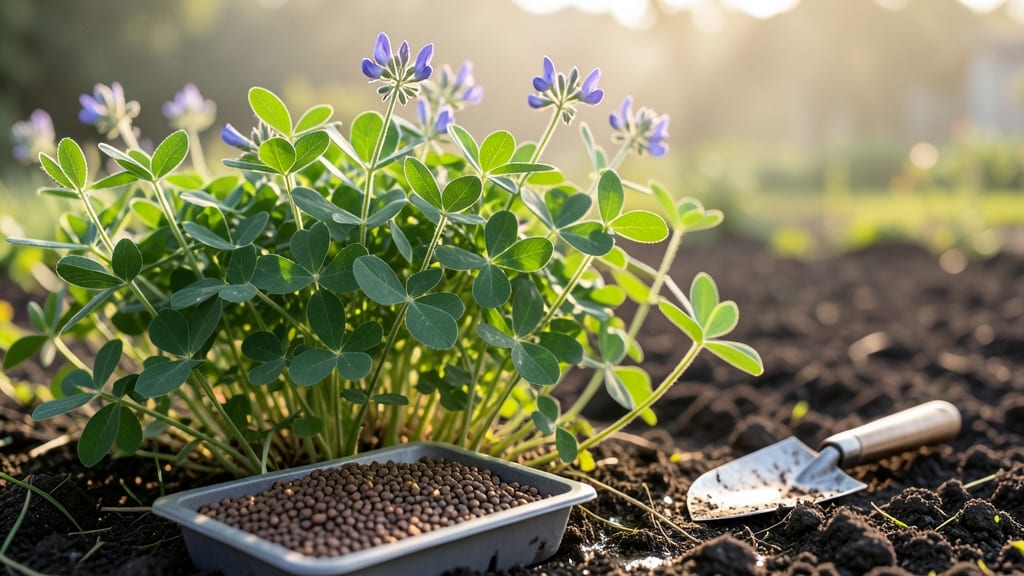
Planting alfalfa at the wrong time in Oklahoma could mean the difference between a lush, high-protein forage crop and a struggling patch of weeds. With USDA Zone 6b-8a offering two distinct planting windows, getting the timing right is critical for success.
Most Oklahoma farmers know that early spring—around March to April—is the prime window for alfalfa to establish strong roots before summer heat sets in. But late summer planting (August-September) also works if you’re in a drier region, helping seeds germinate before the first frost.
The key? Avoid planting too early when soils are still cold or too late when summer droughts stress young plants.
Why does this matter? Alfalfa thrives on consistency—too much heat or moisture at the wrong stage stunts growth, while ideal conditions yield 3-4 feet of vigorous forage within months. I’ll break down the exact soil temperatures, frost dates, and regional tweaks that make all the difference in Oklahoma’s variable climate.
Ready to maximize your alfalfa harvest? Let’s dive into the month-by-month schedule that’ll have your fields thriving year after year.
Optimal planting windows for alfalfa in Oklahoma’s Zone 7b: month-by-month breakdown
Alfalfa is a hardy perennial that thrives in Oklahoma’s Zone 7b, but precise planting timing ensures maximum yields and drought resilience. The state’s two primary planting windows—spring and fall—align with soil warmth and rainfall patterns, while late-summer offers a drought-proof backup for water-stressed areas.
In Oklahoma, spring planting (March-April) captures early warmth, while fall planting (August-September) avoids summer’s brutal heat. Late-summer planting (July-August) is ideal for drought-prone regions like western Oklahoma, where summer rains can kickstart germination before monsoon season.
Soil temperature is critical: seeds need 55°F+ soil to germinate. In Zone 7b, this typically occurs by mid-March, but northern counties (e.g., Oklahoma City) may wait until late March. Southern areas (e.g., Lawton) can plant as early as February.
| Month | Planting Window | Soil Temp Requirement | Rainfall Needs | Key Considerations |
|---|---|---|---|---|
| February | Early (Southern OK only) | 50°F+ (risk of frost) | Moderate (1-2 inches) | Use frost cloth; monitor for late frosts |
| March | Primary (Zone 7b) | 55°F+ (ideal) | High (2-3 inches) | Best germination window; avoid compacted soil |
| April | Primary (Northern OK) | 60°F+ (optimal) | Medium (1-2 inches) | Reduce watering as temps rise; mulch to retain moisture |
| July | Late-Summer (Drought Backup) | 65°F+ (evening temps) | High (2+ inches post-planting) | Plant after monsoon rains; irrigate daily for 2 weeks |
| August | Primary Fall Window | 60°F+ (soil) | Medium (1.5 inches) | Avoid planting after September 15 to allow establishment before frost |
| September | Late Fall (Risky) | 55°F+ (soil) | Low (0.5-1 inch) | Only for northern OK; use frost protection |
For spring planting, aim for March 15-April 15 in most of Zone 7b. This window ensures soil warmth (55°F+) and adequate rainfall (2-3 inches) for germination. In western Oklahoma, where springs can be drier, consider pre-sprouting seeds indoors before transplanting.
My late-summer strategy for drought-prone areas involves planting after July monsoons (typically late July-early August). This takes advantage of summer rains while avoiding the peak heat of June. Always irrigate daily for 2 weeks post-planting to prevent seed desiccation.
Fall planting should wrap up by September 1
How soil temperature and rainfall affect alfalfa germination success in Oklahoma
Alfalfa seeds need consistent warmth and moisture to break dormancy, but Oklahoma’s spring weather can be unpredictable. If the soil stays below 55°F for too long, germination slows or stops entirely. I’ve seen fields where seeds just sat dormant for weeks because the ground was too cold—even after rain arrived.
Rainfall is equally critical. Too little, and seeds dry out before sprouting. Too much, and they rot in waterlogged soil. Oklahoma’s erratic spring showers often create this perfect storm of delayed planting.
The key is timing your sowing to match both soil warmth and predictable moisture—not just guessing when the rain will come.
Here’s the hard truth: If you plant alfalfa when the soil is below 55°F, germination rates can drop by 50% or more. That’s why I wait until late March or early April in most of Oklahoma, when daytime highs consistently hit 65°F+ and the ground warms up reliably.
If your soil thermometer reads below 55°F at 2-inch depth, wait at least 2 weeks before planting alfalfa. Cold soils delay germination by 7-14 days, and seeds may rot if rains arrive while they’re still dormant. In northern Oklahoma (Zone 6b), this often means pushing planting back until mid-April.
Signs your seeds are struggling: No sprouts after 21 days, yellowing seeds, or a foul odor (indicates rot). If you see these, replant immediately with fresh seeds.
Once the soil hits that 55°F threshold, keep it consistently moist but not soggy. I use a soil moisture meter to aim for 40-50% moisture at 2-inch depth—like a damp sponge.
Oklahoma’s spring rains can make this tricky; if you get more than 1 inch of rain in 24 hours, seeds may wash away or suffocate.
For late-summer planting (August-September), the challenge shifts to avoiding drought stress. Young alfalfa seedlings need 1-1.5 inches of water per week during establishment. If your area gets less than 0.5 inches of rain weekly, supplement with drip irrigation to keep the soil evenly moist.
I’ve had success using mulch rings around seedlings to retain moisture in Oklahoma’s dry heat.
Pro tip: If you’re planting in sandy soils (common in western Oklahoma), increase your watering frequency to every 2-3 days until seedlings are 4 inches tall. Sandy soil drains too quickly, and alfalfa seeds need that steady moisture to germinate properly.
Remember, alfalfa’s germination window is narrow—typically 7-14 days under ideal conditions. If you miss that window due to cold soil or drought, you’ll likely need to replant. That’s why I always check the 7-day forecast before sowing to ensure stable conditions.