
Plants
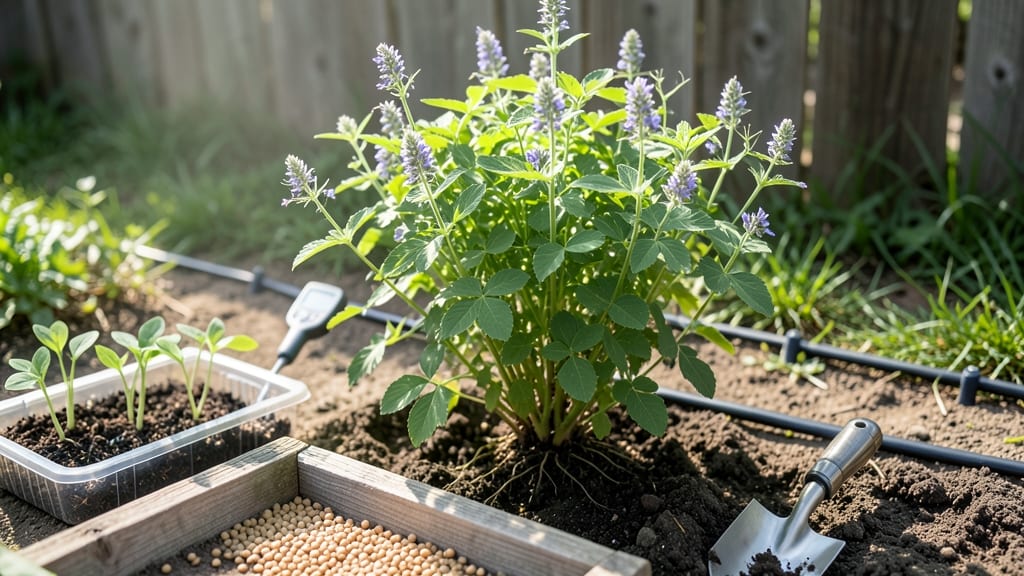
Planting alfalfa at the wrong time in North Carolina can turn your hard work into a wasted effort, but getting the timing right means stronger plants and better yields. The key is understanding your local frost patterns and soil conditions—because alfalfa 🌱 won’t tolerate cold snaps once it sprouts.
Most NC gardeners swear by early spring planting (March-April) when soil temperatures hit 50°F, but late summer (August-September) also works if you’re in zones 7b-8b. The difference between success and failure often comes down to those first few weeks after germination, when young seedlings are most vulnerable.
I’ll show you exactly how to align your planting with North Carolina’s frost-free windows, whether you’re in the Piedmont or coastal regions.
You’ll learn which months to avoid, how to prep your soil for maximum growth, and even how to adjust for microclimates that can shift your ideal planting date by weeks.
Ready to grow alfalfa that thrives from seed to harvest? Let’s break down the perfect planting schedule so you never miss a season again.
Best planting months for alfalfa in NC based on hardiness zones
North Carolina's diverse hardiness zones (6b-8a) create unique planting windows for alfalfa (Medicago sativa). In Zone 6b, where winters are colder, aim for late April to early May to avoid late frosts.
Meanwhile, Zone 8a gardeners can plant as early as mid-March or transition to fall planting in September for a second crop. The key is soil temperature—alfalfa seeds need 50°F+ to germinate successfully.
Spring planting is ideal for most NC regions, but fall planting in August-September works well in warmer zones like 7a-8a. Young seedlings can't tolerate frost, so timing matters. For example, Raleigh (7a) has a last frost date around March 15, while Asheville (6b) waits until April 15.
Always check your local USDA frost maps to refine your schedule.
Here’s a quick reference for alfalfa planting by NC hardiness zone, including soil temperature and frost-free dates:
For Zone 6b gardeners, like those in Asheville or Boone, focus on spring planting only. The shorter growing season limits fall options, but warm-season varieties can handle late starts.
In Zone 8a, such as Wilmington or Fayetteville, you can extend planting into late September for a fall crop, provided seeds germinate before first frost (November 15).
Soil temperature is just as critical as frost dates. Use a soil thermometer to confirm 50°F+ at 2-inch depth before planting. In cooler zones (6b-7a), wait until the soil warms naturally—typically after April 1.
In warmer zones (7b-8a), you can plant as early as February if soil conditions allow.
Fall planting in NC’s warmer zones (7b-8a) offers a second harvest opportunity. Sow seeds in August for a fall-winter crop, but avoid planting after September 15 to ensure seedlings mature before frost. For example, Raleigh gardeners can plant August 1–September 15, while Wilmington extends to October 1.
Microclimates play a role too. Valley areas in the mountains (Zone 6b) may have 2-3 weeks later frost dates than nearby ridges. Similarly, coastal regions (Zone 8a) can plant 2 weeks earlier than inland areas. Always adjust your schedule based on local observations—not just zone averages.
If you’re unsure about your exact frost dates, check the NC State Extension’s frost calculator. Input your county and elevation for precise data. For most NC gardeners, March-April is the safest window for spring planting, while August-September works for fall crops in warmer zones.
Timing this right ensures strong root establishment before summer heat or winter chill sets in.
Pro tip: Direct-sow seeds in full sun and well-drained soil for best results. Alfalfa is a nitrogen
How to calculate your exact planting date using frost data
North Carolina's variable frost patterns can turn a great alfalfa planting into a gamble if you don't plan carefully. The key to success lies in using NC State Extension frost charts—but interpreting them requires understanding your specific microclimate.
I'll walk you through the exact process I use to pinpoint my planting window, including adjustments for elevation and historical frost trends in my county.
Start by visiting the NC State Extension Plant Toolbox and selecting your county's frost data. Look for 30-year average frost dates—these provide the most reliable baseline.
For example, in Zone 7a, the average last frost date is March 22, but your actual date could vary by ±10 days. This variability is why exact calculations matter.
- 📅 Step 1: Find your county's average last frost date (NC State Extension). For Piedmont, this is typically March 15-25.
- 📏 Step 2: Adjust for elevation: Add 3-5 days per 1,000 ft above sea level. Mountain counties (e.g., Haywood) may need to wait until April 5-15.
- 🌡️ Step 3: Verify soil temperature (use a soil thermometer). Alfalfa needs 50°F+ soil temps for germination. Wait until soil reaches this threshold.
- 📊 Step 4: Check historical frost patterns for your county. Some areas (like coastal NC) have warmer microclimates and can plant 2 weeks earlier.
- ⏳ Step 5: Plant 4-6 weeks before your county's average first frost in fall (typically November 1-15). For late summer plantings, aim for August 15-September 1.
Don't forget to account for microclimates—your backyard might be warmer or cooler than the county average. For instance, a south-facing slope can warm up 5-10 days earlier than a north-facing valley.
I always test my microclimate by planting a frost-sensitive crop (like basil) a few weeks before my target date to see how it fares.
For fall plantings, focus on the first frost date rather than the last. Alfalfa seedlings need 60-90 days to establish before winter. If your county's first frost is November 10, plant by September 1 to ensure enough growth time.
In Zone 8a, this window extends to October 1.
Once you've calculated your exact planting window, monitor local weather forecasts for 5-7 days before planting. A cold snap warning can delay your timeline by a week or more.
I also recommend keeping a planting journal to track when you plant and how well the alfalfa establishes—this helps refine your dates year after year.
By following these steps, you'll avoid the heartbreak of frost-killed seedlings and maximize your alfalfa's growth potential. Remember, precision beats guesswork when it comes to planting dates in North Carolina's diverse climate zones.