
Planting
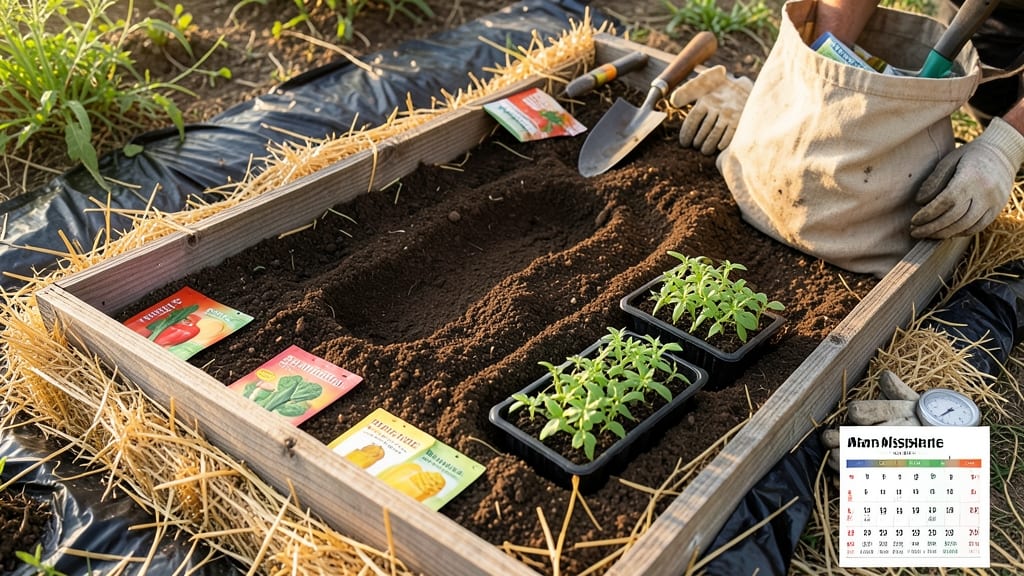
Planting a vegetable garden in Mississippi at the wrong time means watching your seeds wither before they even sprout—or worse, inviting pests to feast on your hard work before you get a single harvest.
The key to a thriving 🌱 garden here isn’t just soil and sunshine; it’s knowing exactly when to start seeds and transplant seedlings to match Mississippi’s unpredictable heat spikes and humidity.
With USDA Zones 7B-8A offering 215 frost-free days, you’ve got plenty of time to grow, but timing matters more than you’d think.
Cool-season crops like lettuce and broccoli need to hit the soil 4-6 weeks before March 15, while tomatoes and peppers should wait until after that date to avoid heat stress.
Get it wrong, and you’ll end up with stunted plants or a garden that bolts too fast for a good harvest.
I’ve learned the hard way that Mississippi’s microclimates—from the steamy Delta to the Gulf Coast’s coastal breezes—demand different strategies. In this guide, I’ll break down the fastest, most reliable planting windows for your zone, plus how to adjust for sudden heat waves or late frosts.
No more guessing games, just a clear roadmap to a garden that actually produces.
Whether you’re a first-time gardener or a seasoned green thumb, these Mississippi-specific tips will help you maximize your harvest in just 60 days or less. Let’s get those seeds in the ground at the perfect moment—so you can enjoy fresh veggies all season long.
Mississippi vegetable planting calendar by month: best start dates for zone 7B-8A
Mississippi’s USDA Zones 7B-8A offer a 215-day frost-free season, perfect for growing everything from cool-season greens to heat-loving tomatoes. But timing matters—plant too early, and frost zaps seedlings; too late, and summer heat stresses tender crops.
My month-by-month guide aligns planting with Mississippi’s climate, including heat-tolerant varieties that thrive in our humidity.
Cool-season crops like broccoli and spinach love spring’s mild temps, while okra and sweet potatoes flourish in summer’s 90°F+ heat. Below, I’ve mapped out the best planting windows for each month, plus fall replanting strategies to extend your harvest into November.
Use this as your roadmap to avoid common pitfalls like bolting lettuce or blossom-end rot in tomatoes.
Pro Tip: Mississippi’s last frost date varies—March 15 in northern areas (e.g., Tupelo) vs. February 28 in the Gulf Coast (e.g., Biloxi). Adjust dates 2 weeks earlier for southern regions. Always check your local extended weather forecast for heat waves or cold snaps that can disrupt growth.
| Month | Cool-Season Crops (Plant) | Warm-Season Crops (Plant) | Heat-Tolerant Varieties | Soil Temp (°F) |
|---|---|---|---|---|
| January | Peas, Spinach, Kale (direct sow) | — | ‘Early Wonder’ Peas | 50–60°F |
| February | Lettuce, Broccoli, Cabbage (start indoors) | Tomatoes, Peppers (indoors) | ‘Arkansas Traveler’ Tomatoes | 60–70°F |
| March | Carrots, Radishes, Onions (direct sow) | Cucumbers, Okra (after last frost) | ‘Clemson Spineless’ Okra | 65–75°F |
| April | Green Beans, Beets (late April) | Sweet Corn, Eggplant (after soil warms) | ‘Silver Queen’ Corn | 70–80°F |
| May | — (Too hot for cool crops) | Peppers, Tomatoes (transplant) | ‘Jupiter’ Peppers | 75–85°F |
| August | Lettuce, Spinach (shade cloth) | Southern Peas, Collards (direct sow) | ‘Purple Hull’ Peas | 70–80°F |
| September | Broccoli, Cabbage, Kale (transplant) | Pumpkins, Winter Squash | ‘Butternut Waltham’ Squash | 65–75°F |
| October | Radishes, Turnips, Arugula | — (Focus on cool crops) | ‘Cherry Belle’ Radishes | 55–65°F |
In January and February, focus on cool-season vegetables like peas and spinach, which thrive in Mississippi’s 50–60°F soil. Start broccoli and cabbage indoors in late February to transplant after the last frost.
For warm-season crops, begin tomatoes and peppers indoors in February—these need 6–8 weeks of warmth before outdoor planting.
March is your window for direct sowing carrots, radishes, and onions, while cucumbers and okra can go in after soil warms to 65°F
How to adjust planting times for Mississippi’s microclimates and heat waves
Mississippi’s climate isn’t one-size-fits-all—what works in Jackson’s USDA Zone 7B might fail in Biloxi’s Zone 8A due to coastal breezes or the Delta’s intense summer heat. Even within a single county, microclimates create 10°F+ temperature swings that can turn your garden into a disaster if you’re not prepared.
I’ve seen tomato seedlings crisp in 95°F+ soil one week and freeze the next after a late March cold snap.
Your first defense? Soil thermometers—they’re your early warning system. Warm-season crops like okra and sweet potatoes need soil temps above 70°F to germinate, while cool-season kale and spinach thrive when soil stays below 65°F.
In the Delta, where heat arrives earlier, I start warm-season seeds 2 weeks sooner than in northern Mississippi.
Mississippi’s sudden heat spikes (90°F+ in May) can kill seedlings in 48 hours. If your forecast shows three consecutive 90°F+ days, use shade cloth (30-50%) or move seedlings to partial shade until temps drop. For the Delta, this means June planting may need afternoon shade—even for heat-loving crops.
For coastal areas like Biloxi and Gulfport, salt spray and humidity levels above 80% can stunt growth. I recommend elevated beds with 2-3 inches of compost to improve drainage and reduce fungal diseases like powdery mildew.
In these areas, fall planting can start as early as August 1—unlike inland zones where you wait until mid-August.
Heat-resistant varieties are your secret weapon. Swap standard tomatoes for ‘Celebrity’ or ‘Heatmaster’ varieties, which tolerate 95°F+ temps without wilting. For greens, ‘Southern Heat’ collards and ‘Malabar spinach’ thrive when most lettuce bolts.
I’ve had success with second plantings of bush beans in July—they mature before the worst heat arrives in August.
Don’t forget mulching. A 3-inch layer of straw or pine needles keeps soil temps 10°F cooler and retains 30% more moisture—critical during Mississippi’s dry spells in late summer.
For raised beds, I use black plastic mulch to warm soil faster in spring and reflective silver mulch to protect seedlings from heat stress.
Finally, track your local frost dates—they shift yearly. Use the Mississippi State Extension’s frost maps (updated annually) to adjust your fall planting by 1-2 weeks.
In Zone 8A, you might squeeze in a second crop of turnips by September 15, while Zone 7B gardeners should hold off until October 1 to avoid early frosts.